
Road cycling basics
The essential basics of road cycling: safety, technique, training, equipment and practical riding skills, explained clearly for beginners and ambitious recreational riders.
The essential road cycling basics
From road safety to enjoying the ride, here you will find the topics every road cyclist should understand sooner or later. (Images 1-3 are AI-generated)
 1
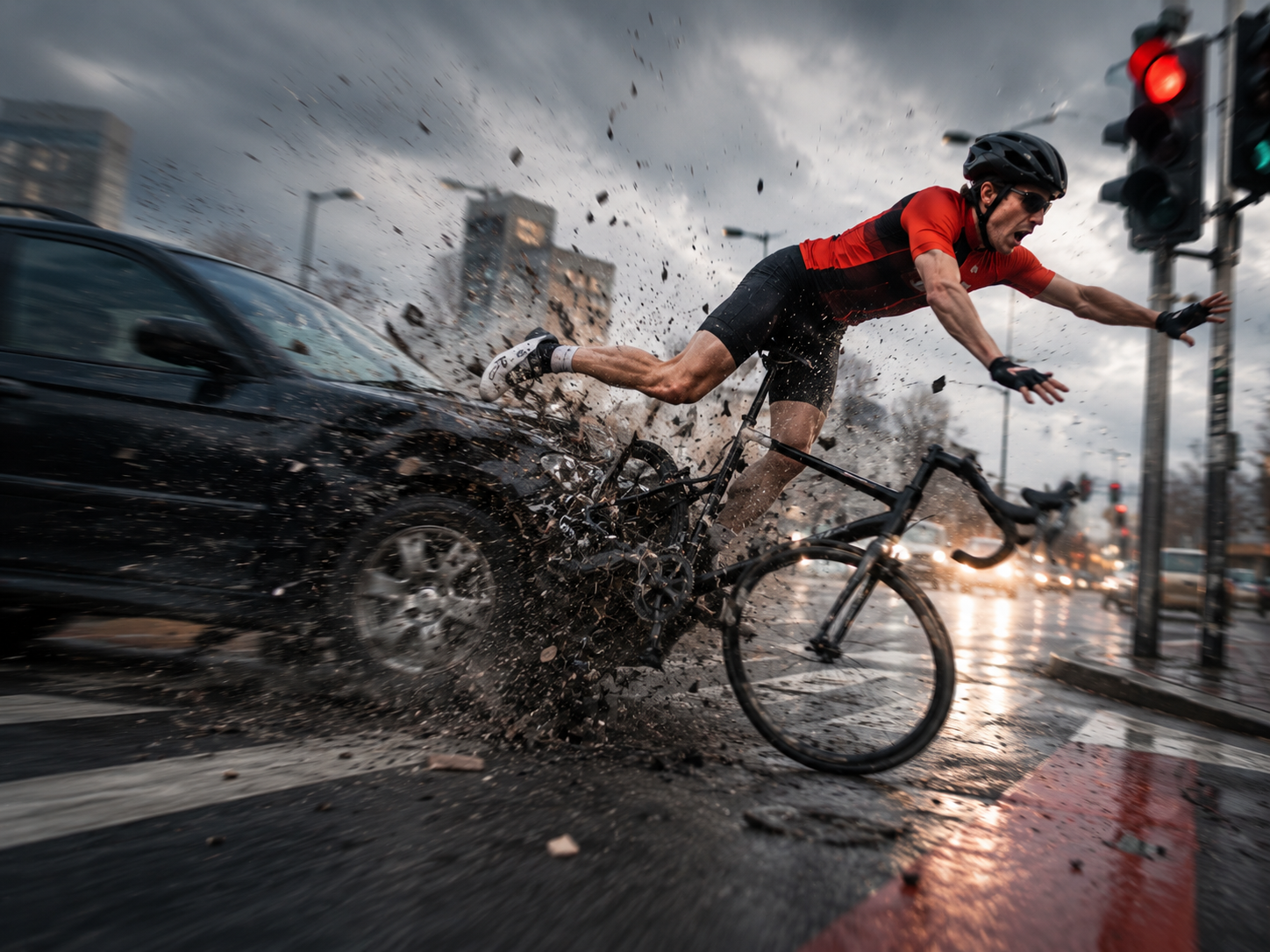
Road safety
Without traffic rules, shoulder checks, hand signals and defensive riding, road cycling can quickly become dangerous.
Safety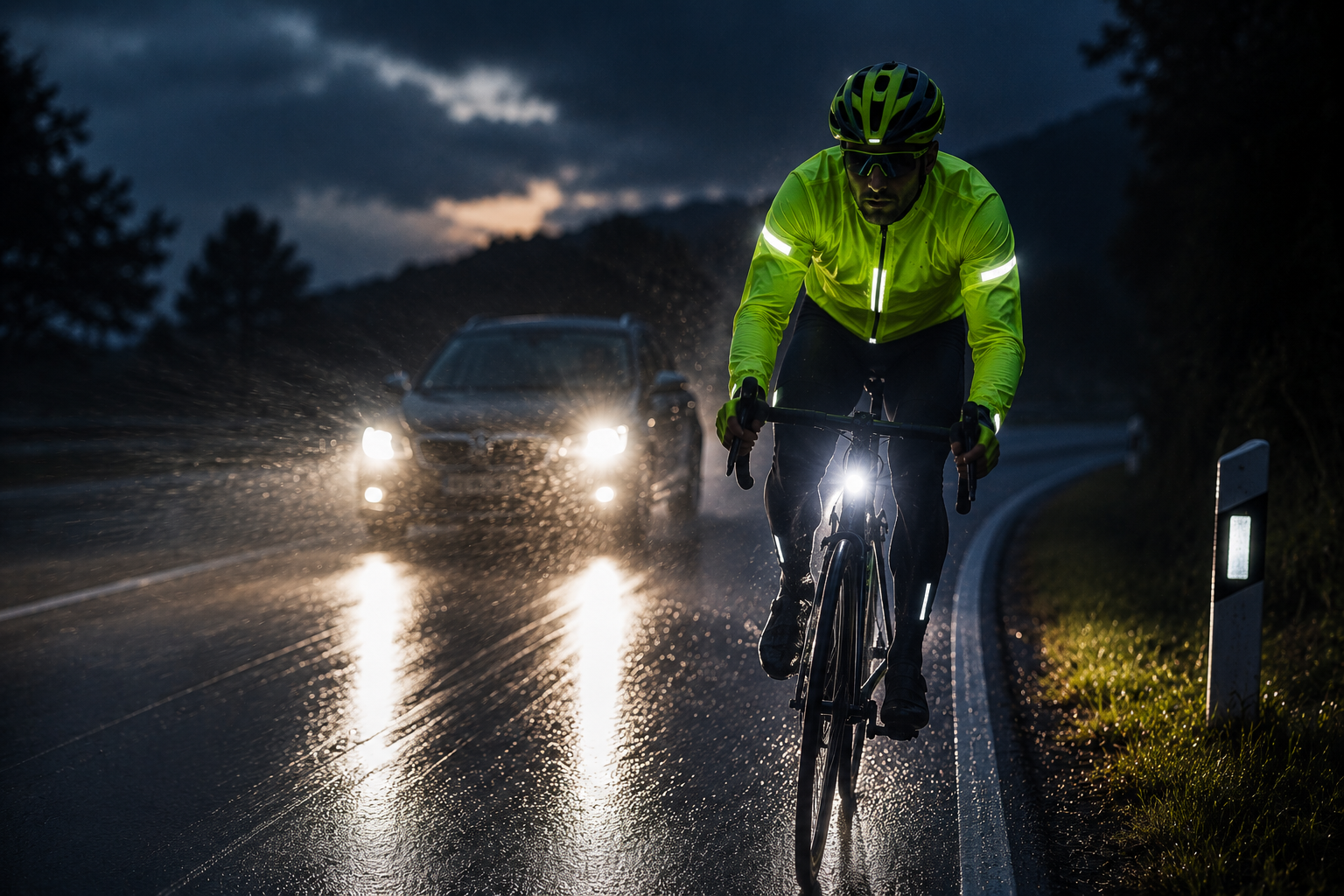 2
Increase your visibility on a road bike
A helmet, lights, bright clothing and reflectors are basics, especially at dusk or in bad weather.
Equipment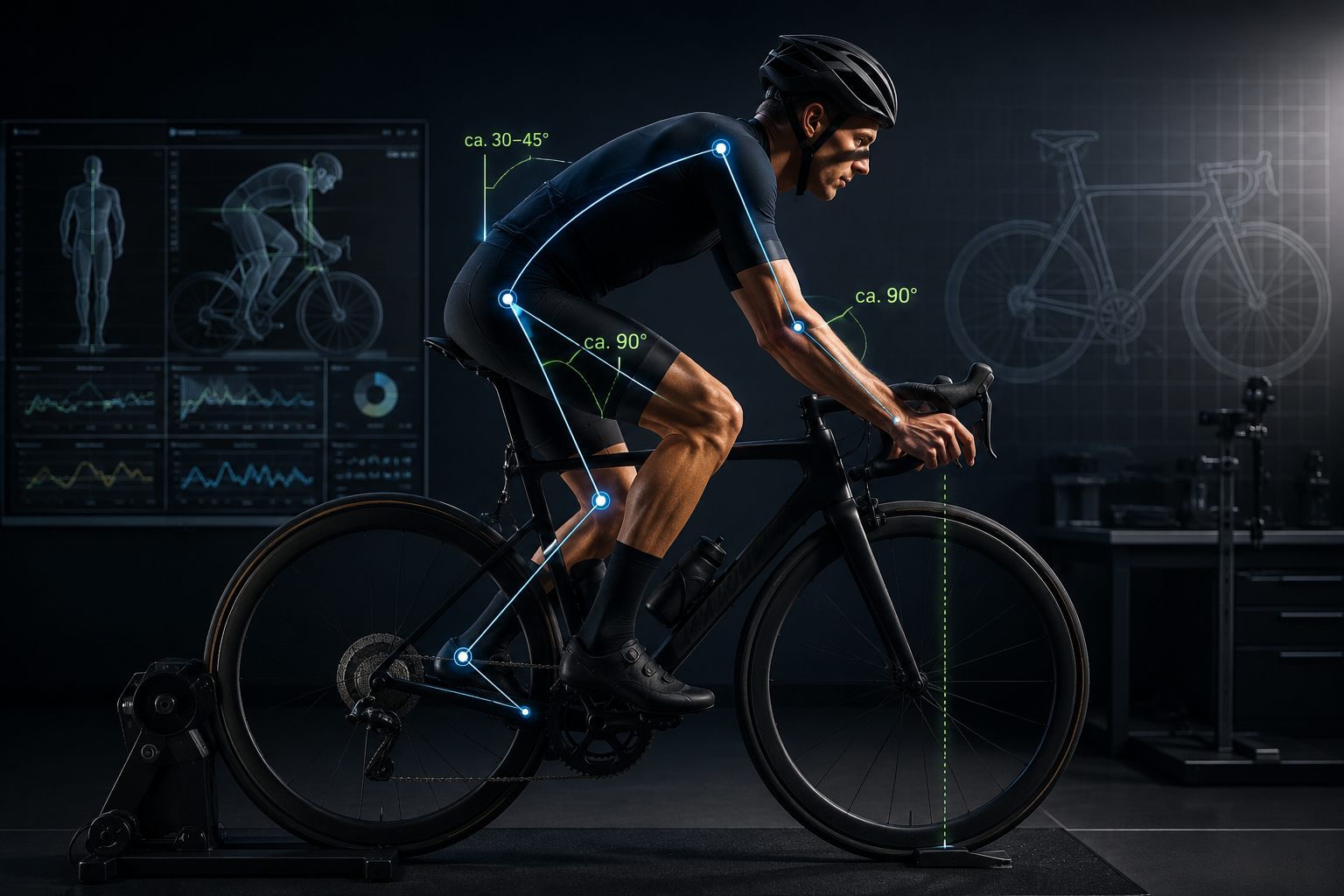 3
DIY bike fitting: adjusting your road bike riding position
Prevents pain in your back, neck, knees and hands. A poorly adjusted bike is no fun.
Comfort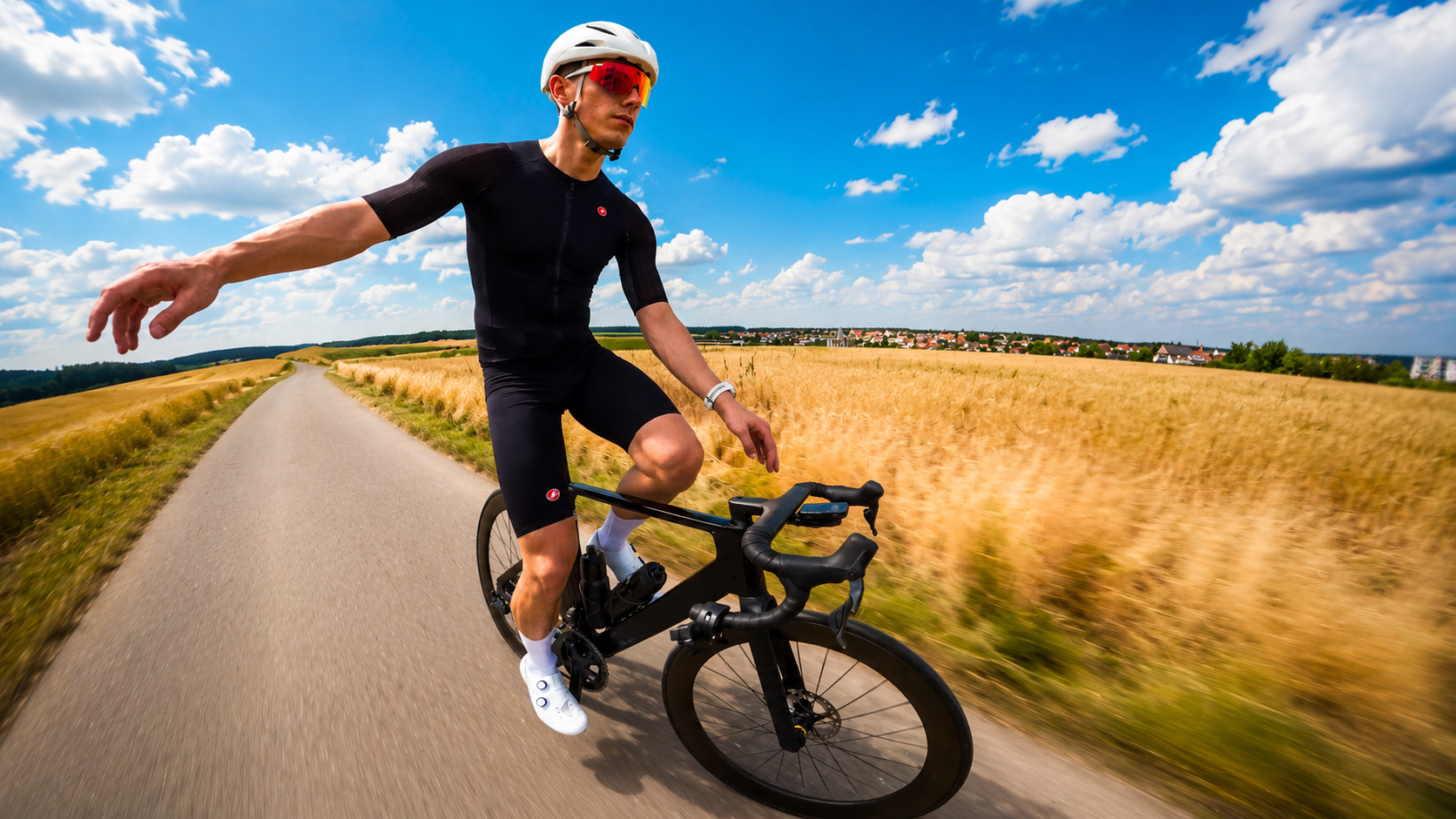 4
Road cycling technique for beginners
Clipping in and out, braking, cornering, avoiding obstacles, riding one-handed and checking over your shoulder must all feel secure.
Riding techniqueLatest blog posts...

Aero vs. comfort: what really helps and what is marketing?
Aero frames, deep wheels, endurance geometry: what actually gives you speed, what only adds comfort and what is marketing? In this article, you will discover when aero matters, how surfaces and tyres play a part, and how comfort affects fatigue and therefore your speed.
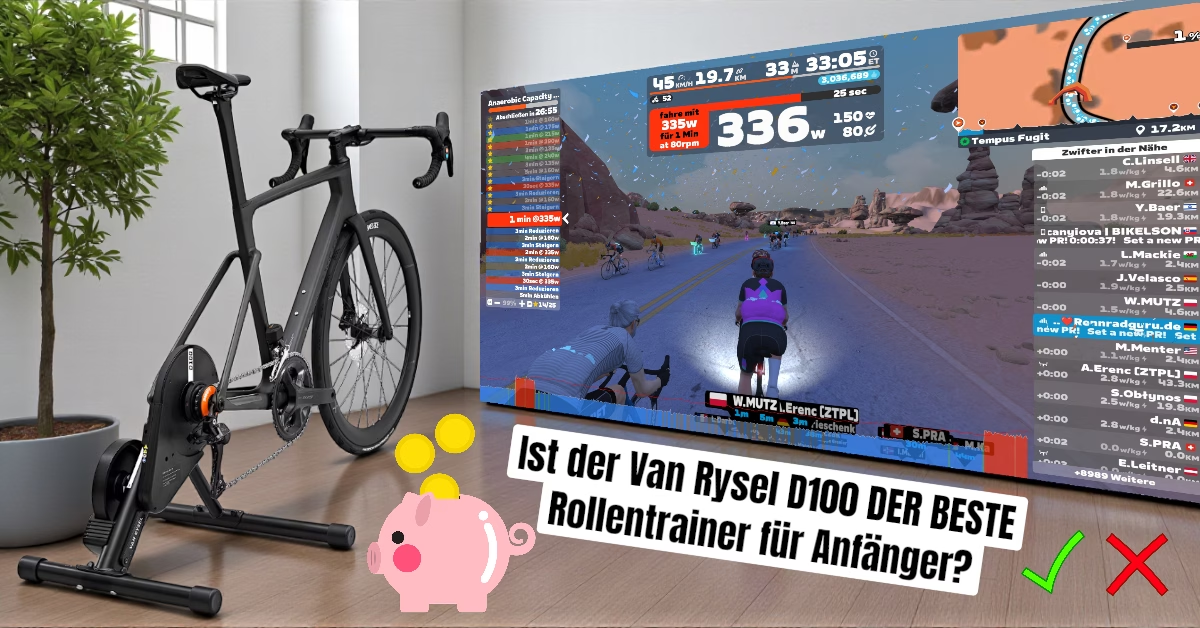
VAN RYSEL D100 indoor trainer review: perfect for beginners?
Thinking about getting an indoor trainer for winter but have no idea where to start? In this article, I show you why the VAN RYSEL D100 indoor trainer is probably the best and cheapest trainer for beginners, and what you still need to watch out for. We cover who it is really worthwhile for, how to set it up, how it feels to ride, its advantages and disadvantages, and what matters with apps such as Zwift (subscription approximately €19.99) and MyWhoosh (including a possible cassette change). By the end, you can decide clearly whether the D100 suits you and your indoor training.
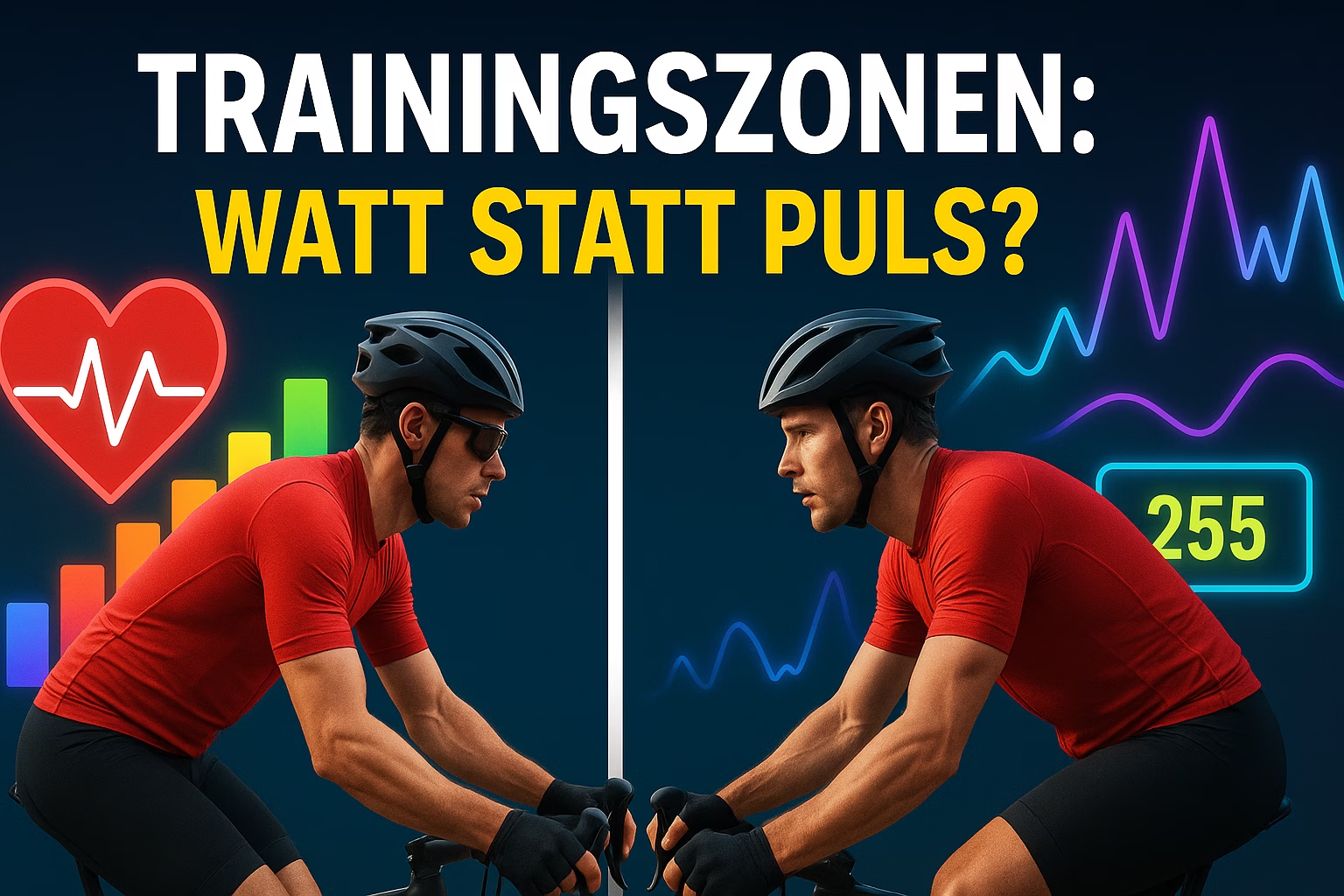
Training zones based on power instead of heart rate – how useful is this really?
More and more road cyclists manage their training with a power meter and FTP instead of relying on heart rate alone. Power zones are extremely precise and respond immediately to changes in effort, while heart rate zones show how strongly your body actually feels the intensity. Power-based training is modern and structured but requires expensive equipment. The most effective approach is usually a combination: train by power and use heart rate to check whether the workload matches your current fitness.