
Increase road cycling visibility: ride more safely with a helmet, lights and clothing
If you want to increase your road cycling visibility, you need more than a suitable helmet: good lighting, a reliable rear light, bright clothing and reflective details make you recognisable earlier in traffic. Here, you will learn what to consider when it comes to helmets, rear lights, front lights, reflectors and everyday visibility.
Increasing road cycling visibility is a safety essential
Many road cyclists think first about speed, weight or aerodynamics. Yet in everyday life and on the road, other things are often more important: you need to be seen, ride predictably and have a helmet that fits correctly in an emergency. Increasing your road cycling visibility therefore always involves the combination of a helmet, lights, clothing, reflectors and defensive behaviour.
Particularly at dusk, in rain, low sun or on country roads, good visibility determines how early drivers notice you. A poorly fitting helmet or weak rear light, on the other hand, can become a problem just when you need it least. For general basics, you can also explore the road cycling basics.
Increase road cycling visibility: the key rules at a glance
Wear a road cycling helmet that fits securely without wobbling.
Adjust the straps so the helmet does not shift in a crash.
Use a clearly visible red rear light to increase your road cycling visibility, especially at dusk and in bad weather.
Also use a bright front light in darkness or poor visibility.
Choose bright or contrasting clothing instead of entirely dark outfits.
Reflective elements on your jacket, gilet, shoes or helmet improve visibility.
Charge your lights in good time before longer rides.
Replace your helmet after a crash or visible damage.
Why you should increase your road cycling visibility
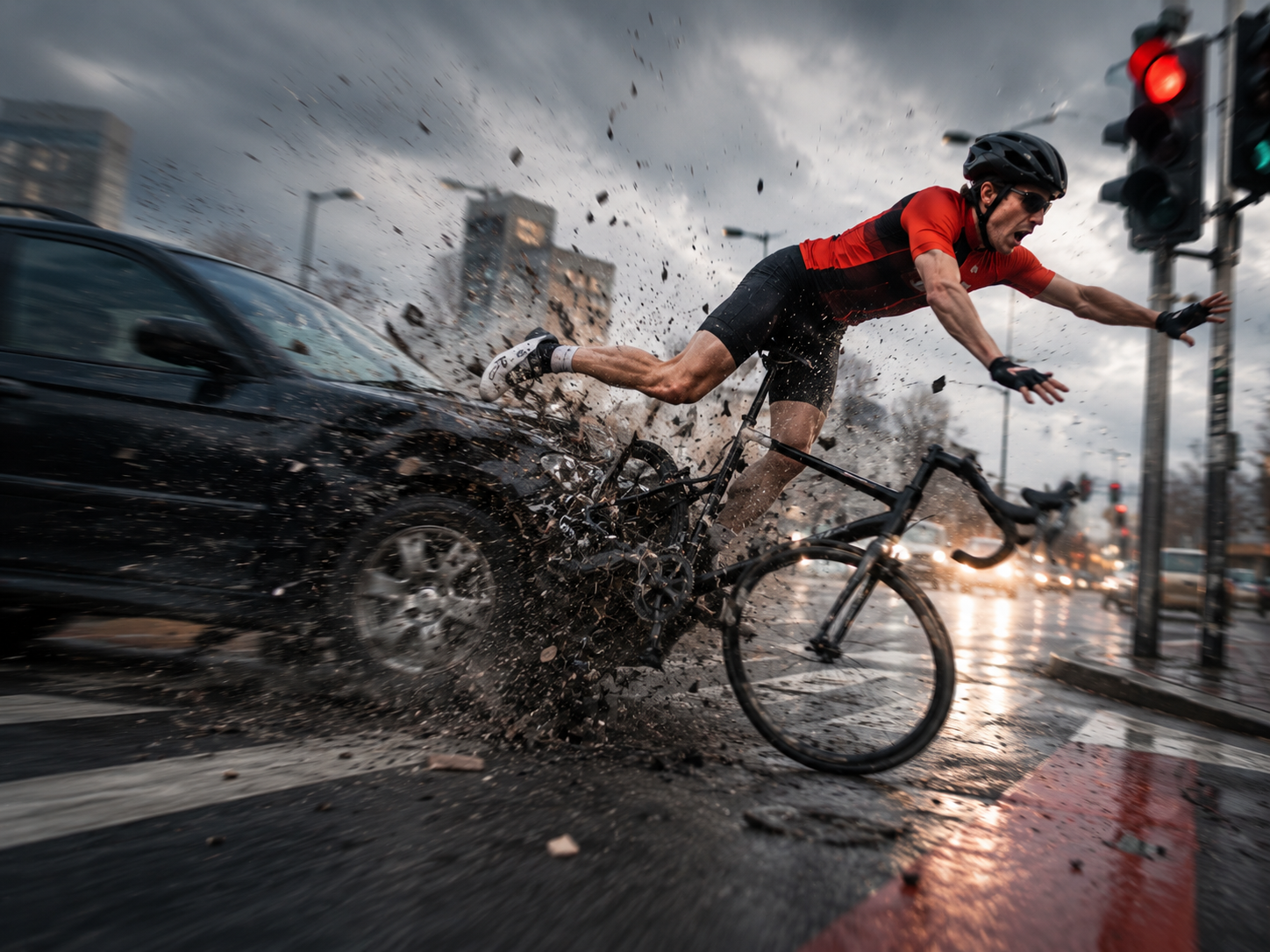
Road cyclists often travel significantly faster than everyday cyclists. At the same time, you are narrow and quiet in traffic, and drivers sometimes find you difficult to judge. You should therefore increase your road cycling visibility while ensuring your helmet fits correctly and does not shift in an emergency.
A helmet does not prevent an accident but can reduce serious head injuries in a crash. Visibility helps beforehand: the earlier others see you, the more time they have to keep their distance, brake or judge your riding correctly.
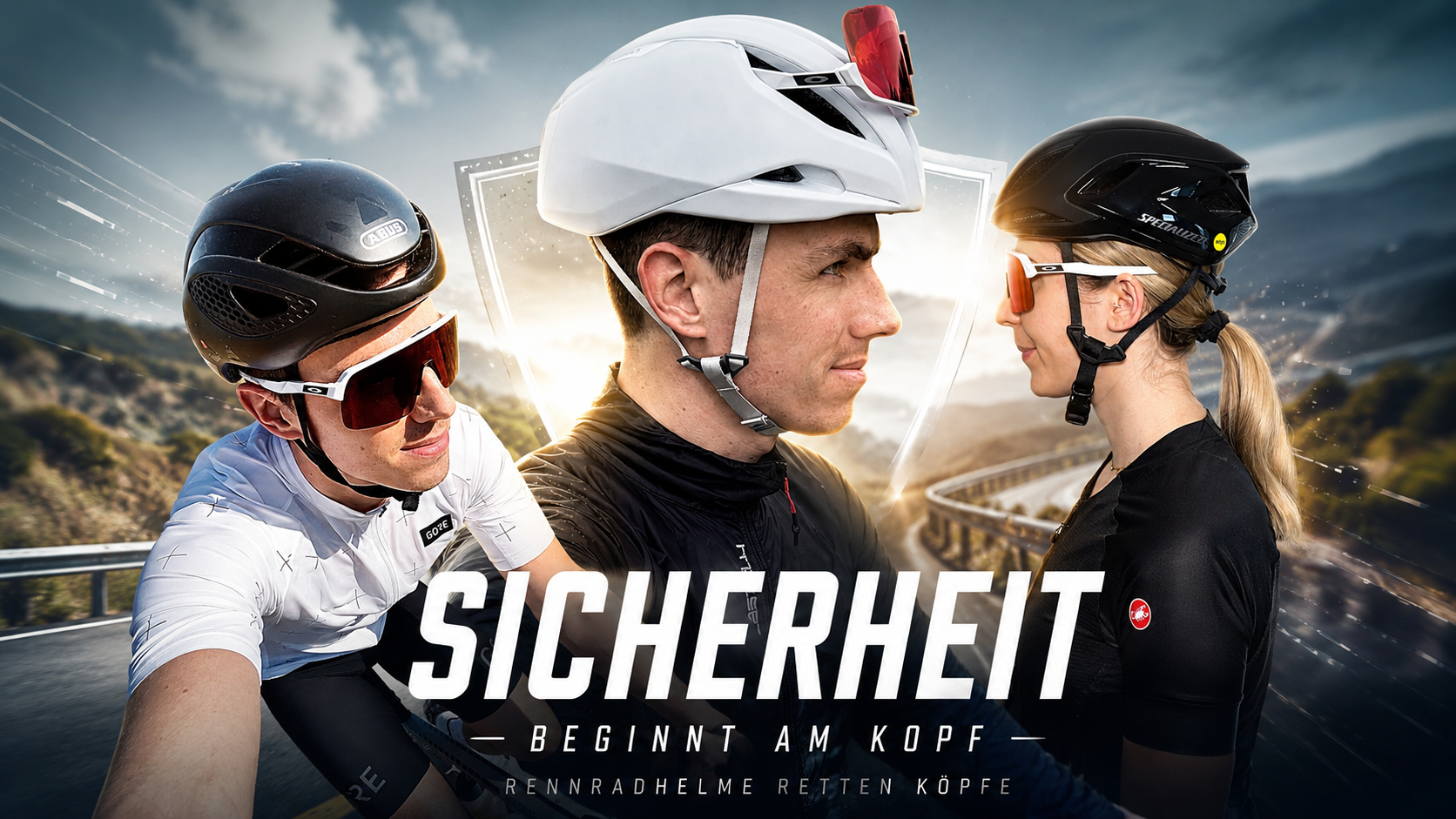
Greater visibility on a road bike means a bright helmet, good lights and clothing that stands out in traffic.
A rule to remember for beginners
Safety starts before braking. It begins with others seeing you early and your helmet fitting correctly in an emergency.
Correct road cycling helmet fit: how it really protects you
Even the best helmet is of little use if it fits poorly. A road cycling helmet should sit firmly on your head without uncomfortable pressure. It must not shift when you shake your head and should sit neither too far forwards nor too far back.
The correct position on your head
- Not too far back: your forehead should be protected.
- Not too low: the helmet must not restrict your field of vision.
- Wear it level: the helmet should sit straight on your head.
- Firm but comfortable: the rear adjustment system should close securely without creating pressure points.
Adjusting straps and buckle correctly
The side straps should form roughly a triangle around your ears. The chin strap should leave room for about one or two fingers between the strap and your chin. If the strap is too loose, the helmet may shift during a crash.
Quick helmet check
Open your mouth wide with the helmet fastened. You should feel a slight pull on the helmet. If not, the chin strap is usually adjusted too loosely.
Buying a road cycling helmet: what to consider
Buying a road cycling helmet is about more than looks or weight. Fit, ventilation, adjustability and a secure hold are crucial. A bright helmet or reflective details can also help you be recognised earlier. An expensive helmet is still not automatically the best helmet for your head.
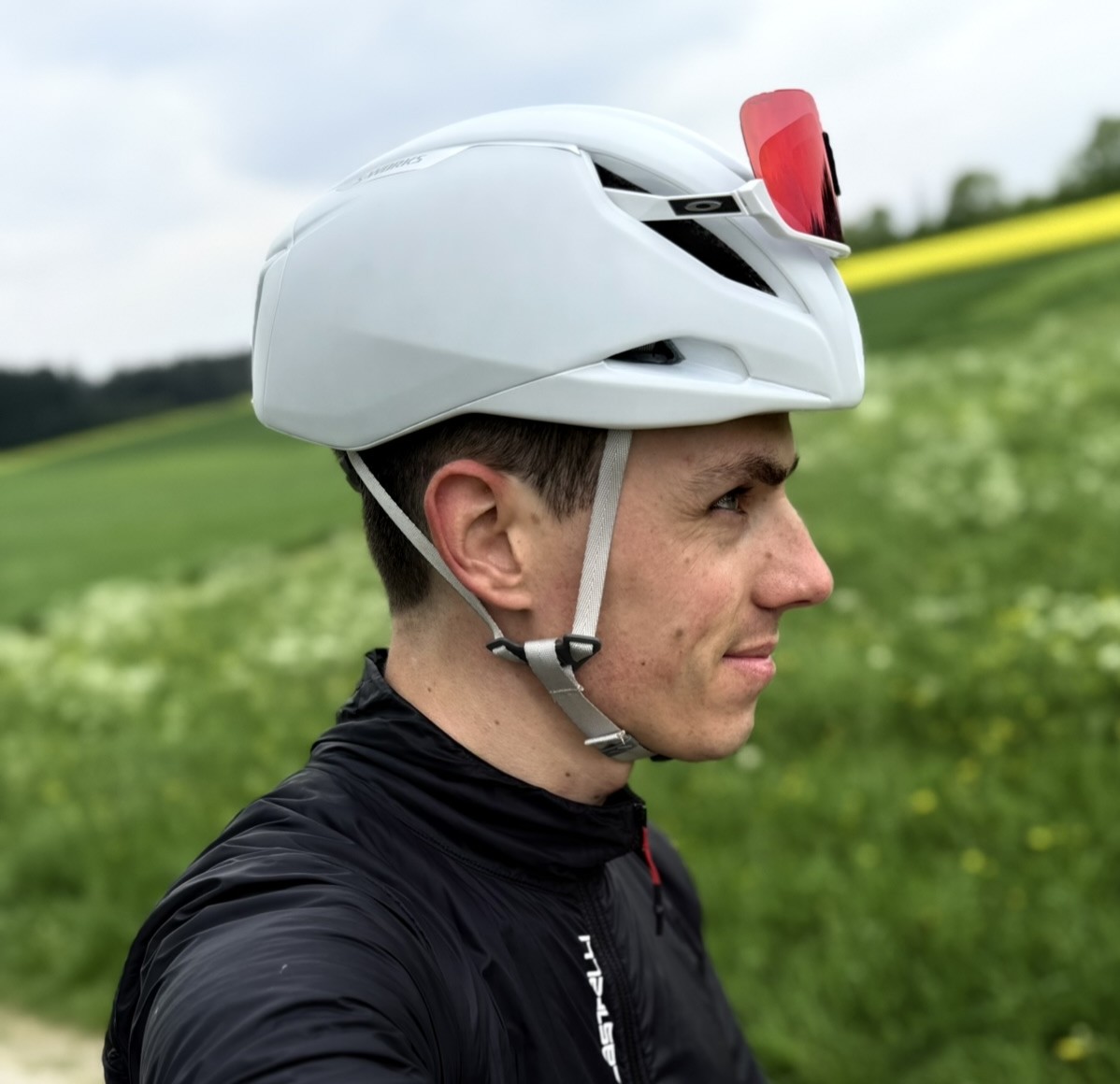
Fit before design
Different manufacturers fit differently. Choose a helmet that sits stably and can be adjusted properly.
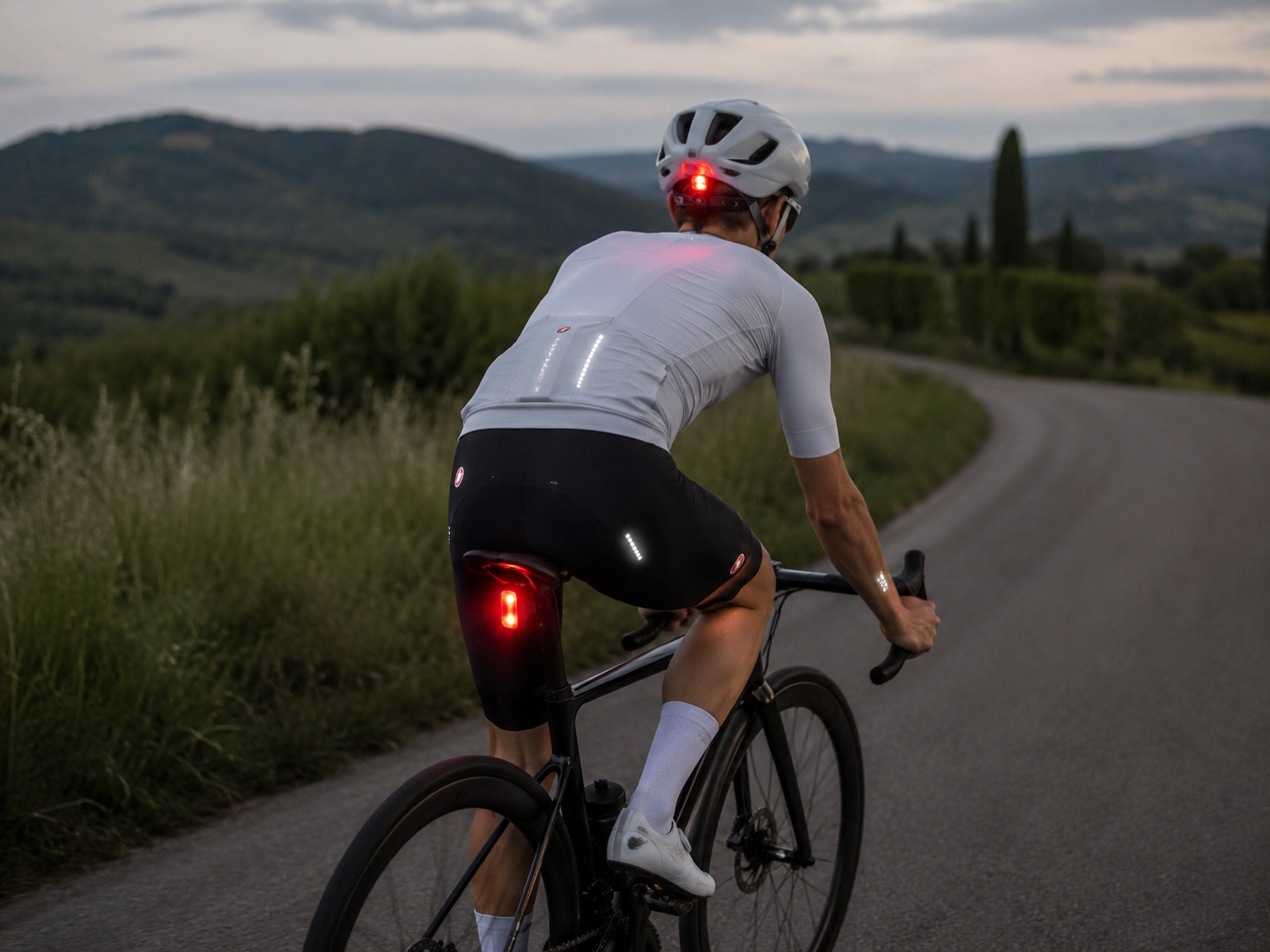
Visible details on a road cycling helmet
Bright colours, reflective elements or an additional rear light on the helmet can improve your visibility.
Important criteria for road cycling helmets
- Size: the helmet must suit your head circumference.
- Adjustment system: the rear dial should offer fine, secure adjustment.
- Ventilation: good air channels are particularly welcome in summer.
- Weight: a lightweight helmet is comfortable, but fit remains more important.
- Padding: internal pads should be comfortable and washable.
- Safety standard: look for approved bicycle helmet standards.
- Visibility: bright colours and reflectors are often more useful for everyday riding than entirely black designs.
If you do not yet have a suitable helmet or want to replace your old one, it is worth looking closely at current models. Weight is not the only factor. Above all, the helmet should suit your head shape, be well ventilated and offer sufficient everyday comfort.
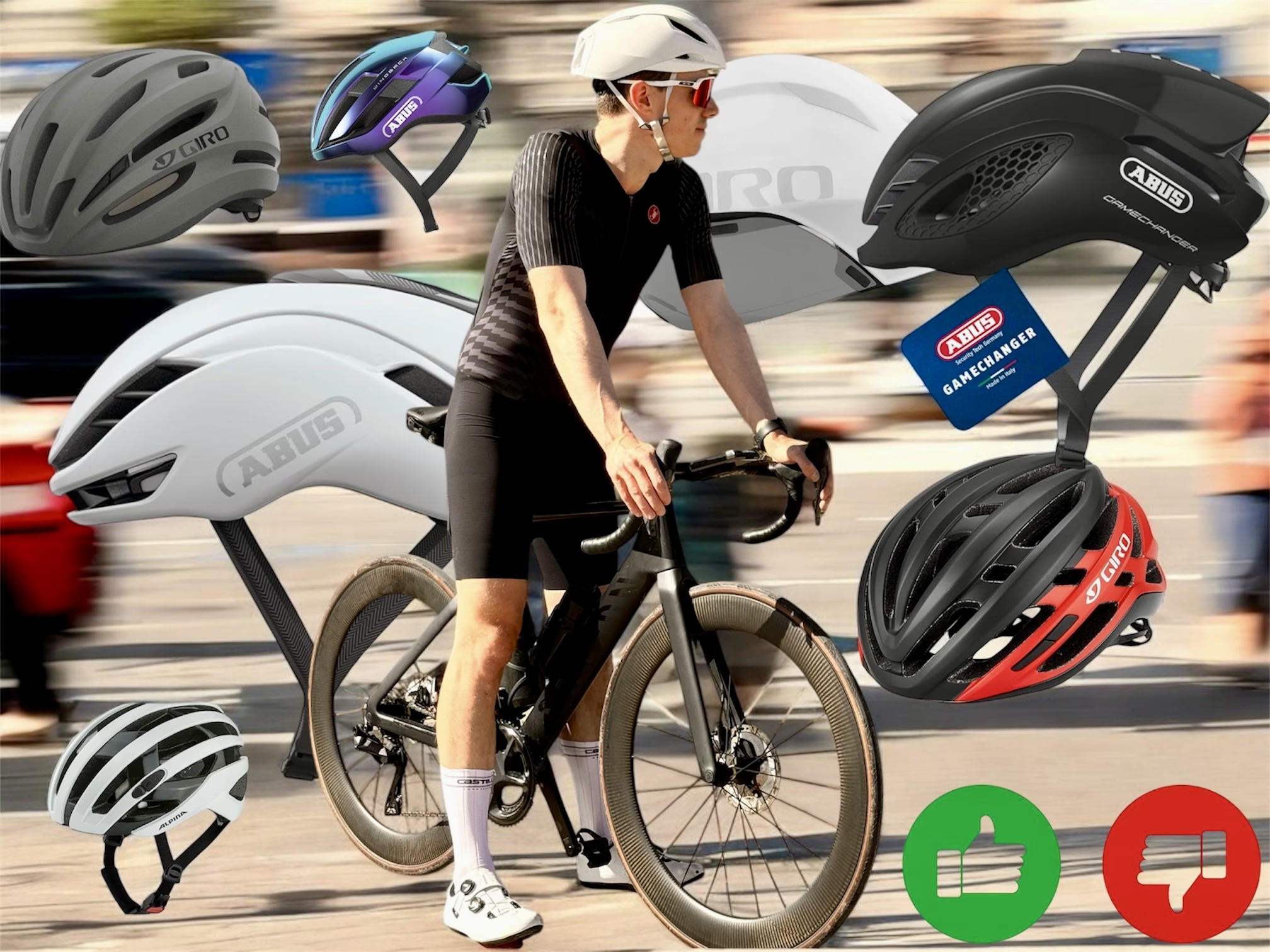
The best road cycling helmets compared
In the road cycling helmet review, I show you which helmets are particularly worthwhile for beginners, ambitious recreational riders and long road rides. I cover fit, weight, ventilation, safety, comfort and visibility.
Read the road cycling helmet review →Replace your helmet after a crash
After a crash, you should replace your helmet even if little damage is visible from the outside. The protective structure may be damaged without this being immediately apparent.
Increase road cycling visibility with rear and front lights
Good road bike lights matter for more than night rides. Lights can also be crucial in rain, fog, low sun, wooded sections or at dusk. To increase your road cycling visibility, a bright rear light is one of the simplest and most effective measures because vehicles recognise you earlier from behind.
Rear light on a road bike
The rear light should be mounted securely, remain uncovered by your saddle bag or clothing and be visible from a sufficient distance. Many road cyclists also use a rear light during the day, especially on country roads. A powerful rear light is particularly useful if you want to increase your road cycling visibility and be noticed more easily from behind.
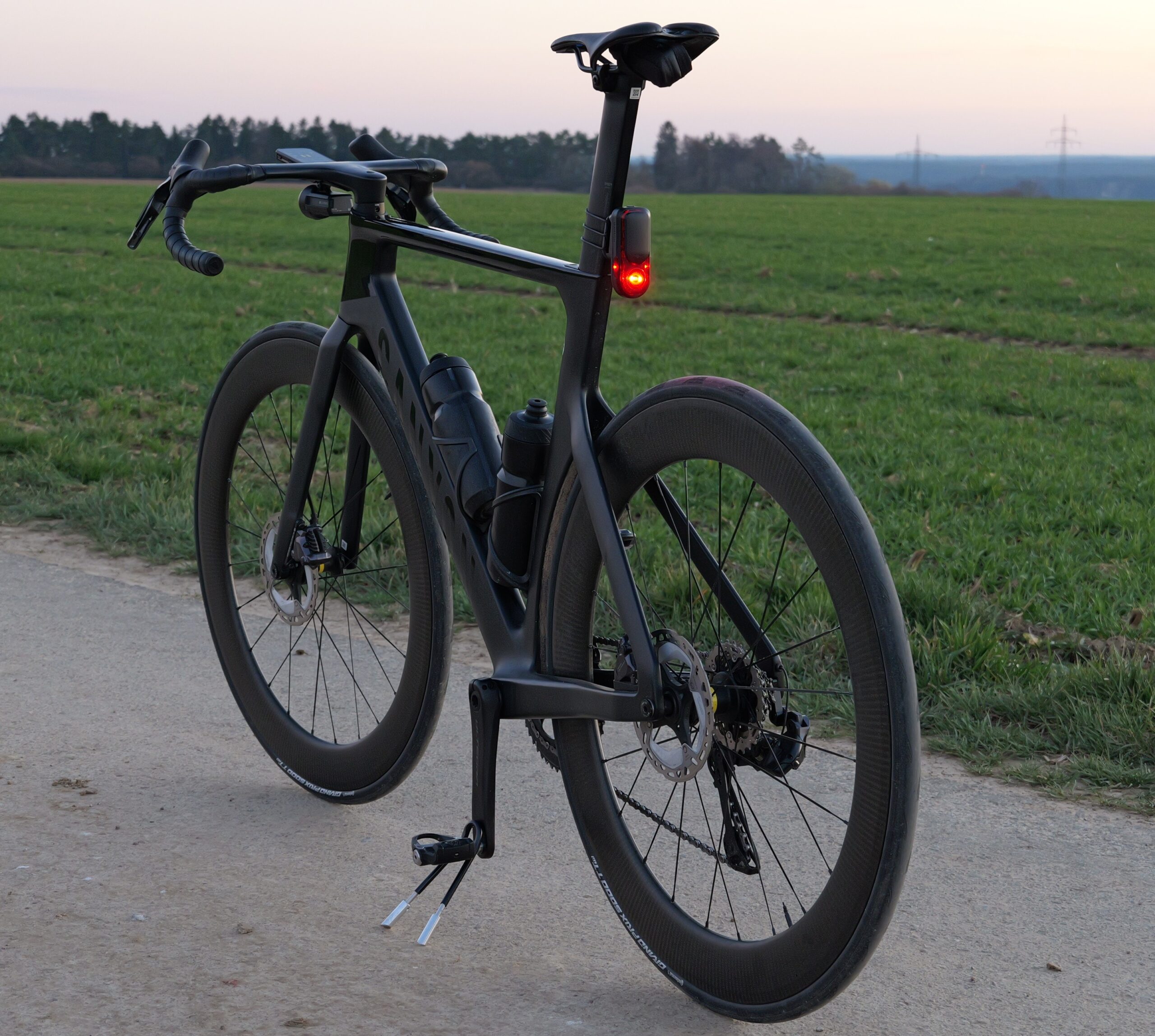
A clearly visible rear light helps vehicles recognise you earlier, especially on dark country roads.
Front light on a road bike
A front light helps you both see and be seen. Dark roads require significantly more output than lit urban areas. It is also important that the light does not dazzle other road users.
You can find a specific example of a powerful front light in my article on the Lupine SL Grano. To view the light directly: Advertisement: view the Lupine SL Grano on Amazon →
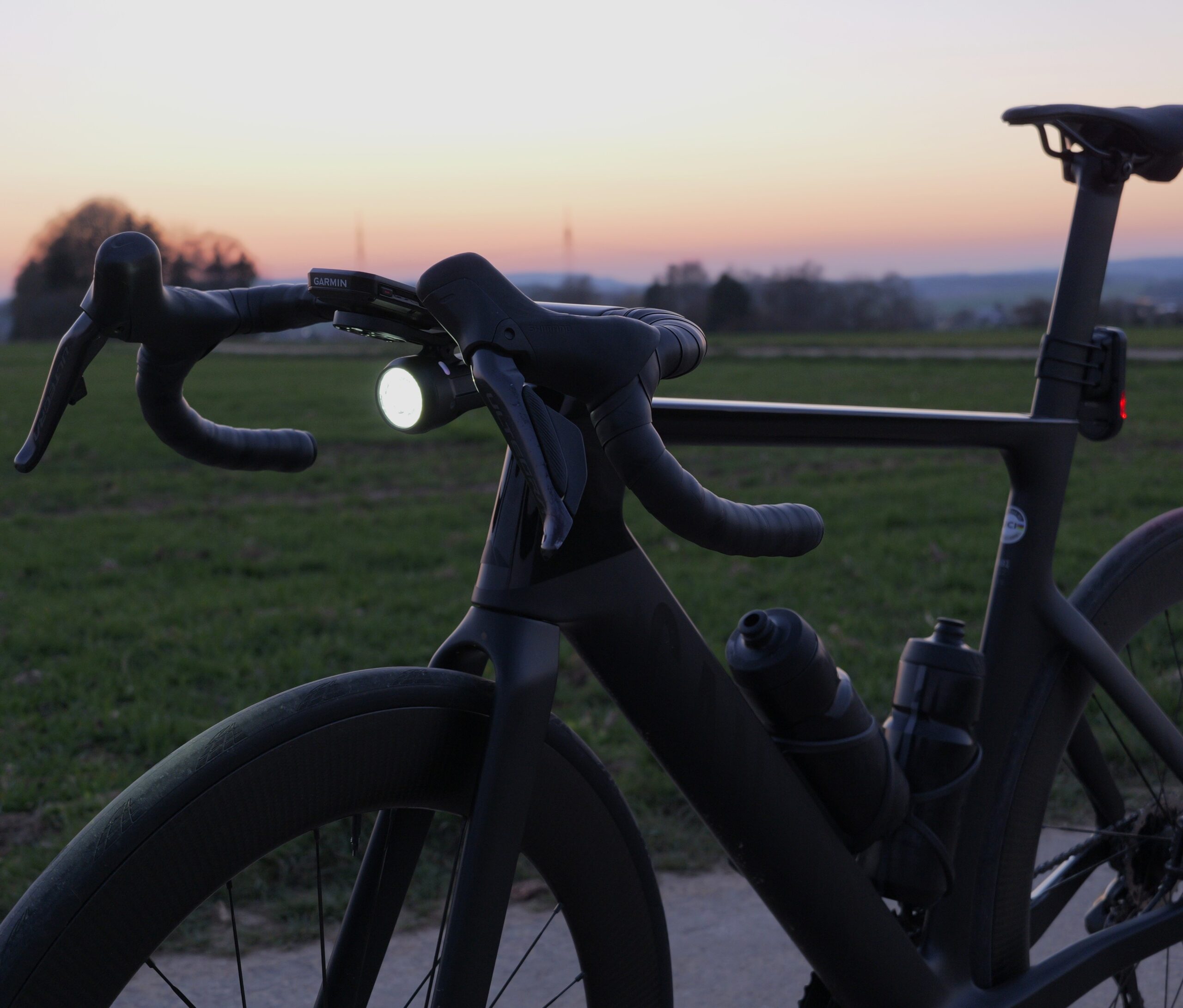
A clearly visible front light is important, especially in the city and on generally dark roads.
Practical tip
Before every ride, briefly check that your rear light is actually switched on and is not covered by a jacket, saddle bag or tool roll.
Increase road cycling visibility with the right rear light
If you are looking for a bright, reliable rear light, you will find suitable models in the road bike rear light comparison. Particularly on country roads, at dusk and in rain, a rear light that remains clearly visible from a greater distance is worthwhile.
Increase road cycling visibility with clothing and reflectors
Many road cycling outfits are dark, simple and sporty. They look good but are not always ideal for visibility. Particularly on country roads, in woods or in changing light, bright and contrasting colours can stand out much more. Simple details such as reflective overshoes, a gilet or a bright helmet can also make you considerably more noticeable in traffic.
What makes you more visible
- Bright jerseys: white, yellow, orange, red or light shades of blue often stand out better.
- Reflective vests: particularly useful at dusk, in rain and on night rides.
- Reflectors on your legs: moving reflectors on shoes or overshoes are easily noticed.
- Bright helmets: a white or bright helmet can be more visible in traffic.
- Contrast: clothing should stand out from the background rather than blend into asphalt or woodland.
Visibility depends on the situation
A vividly coloured jersey may be enough in bright summer conditions. In rain, fog, dusk or on wooded routes, lights and reflective details are far more important. Greater visibility therefore means always adapting your equipment to the weather, time of day and route.
Increase road cycling visibility in rain, at dusk and in darkness
In poor visibility, simply riding more cautiously is not enough. You must actively ensure you are recognised earlier. Rain, spray, dark clothing and wet windscreens can make you much less visible to drivers. This is precisely when lights, contrasting colours and reflectors can increase your road cycling visibility.
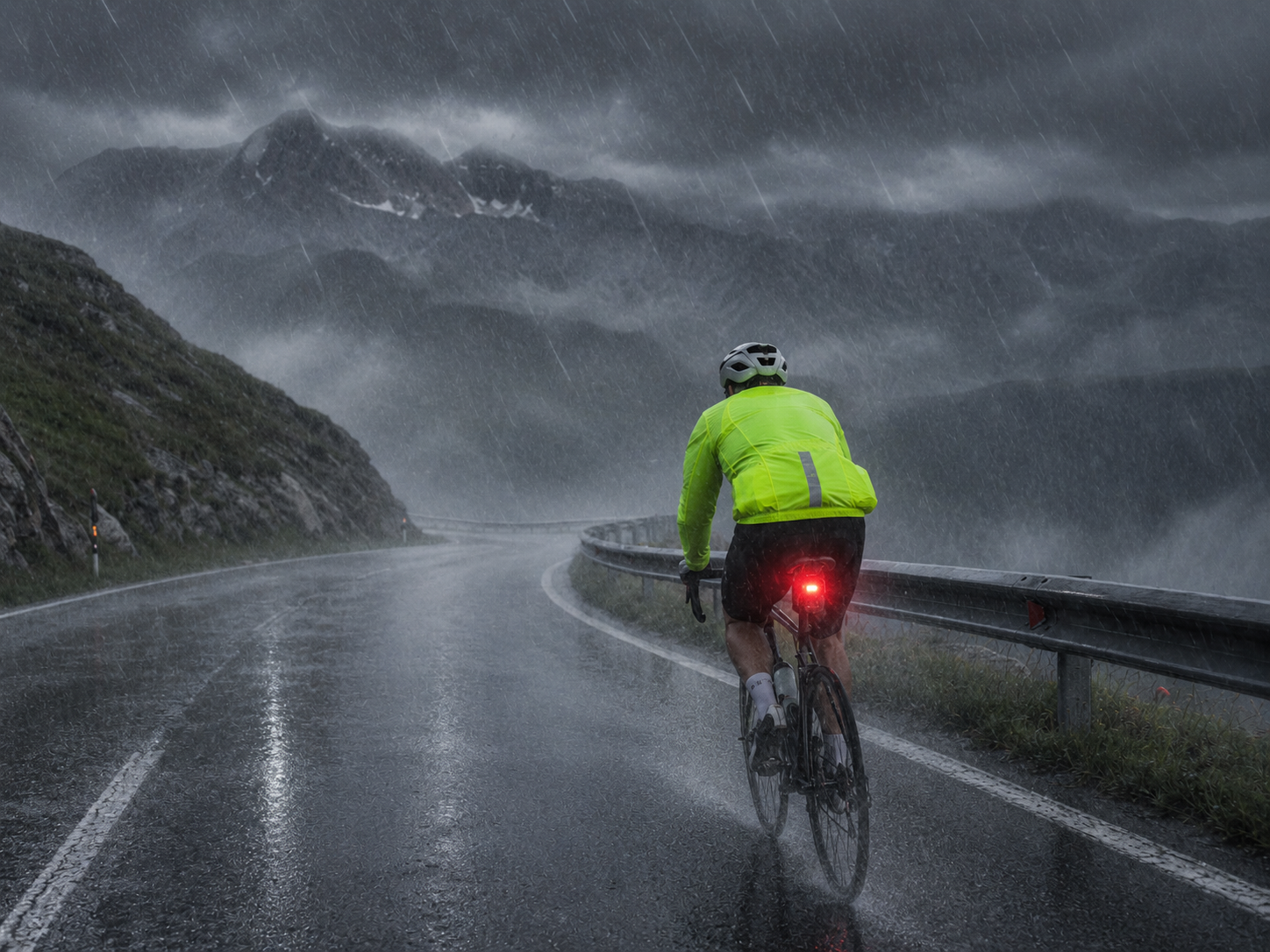
In the rain
- Use a rear light during the day too.
- Wear bright or reflective clothing.
- Expect drivers to see you later.
- Keep more distance and brake earlier.
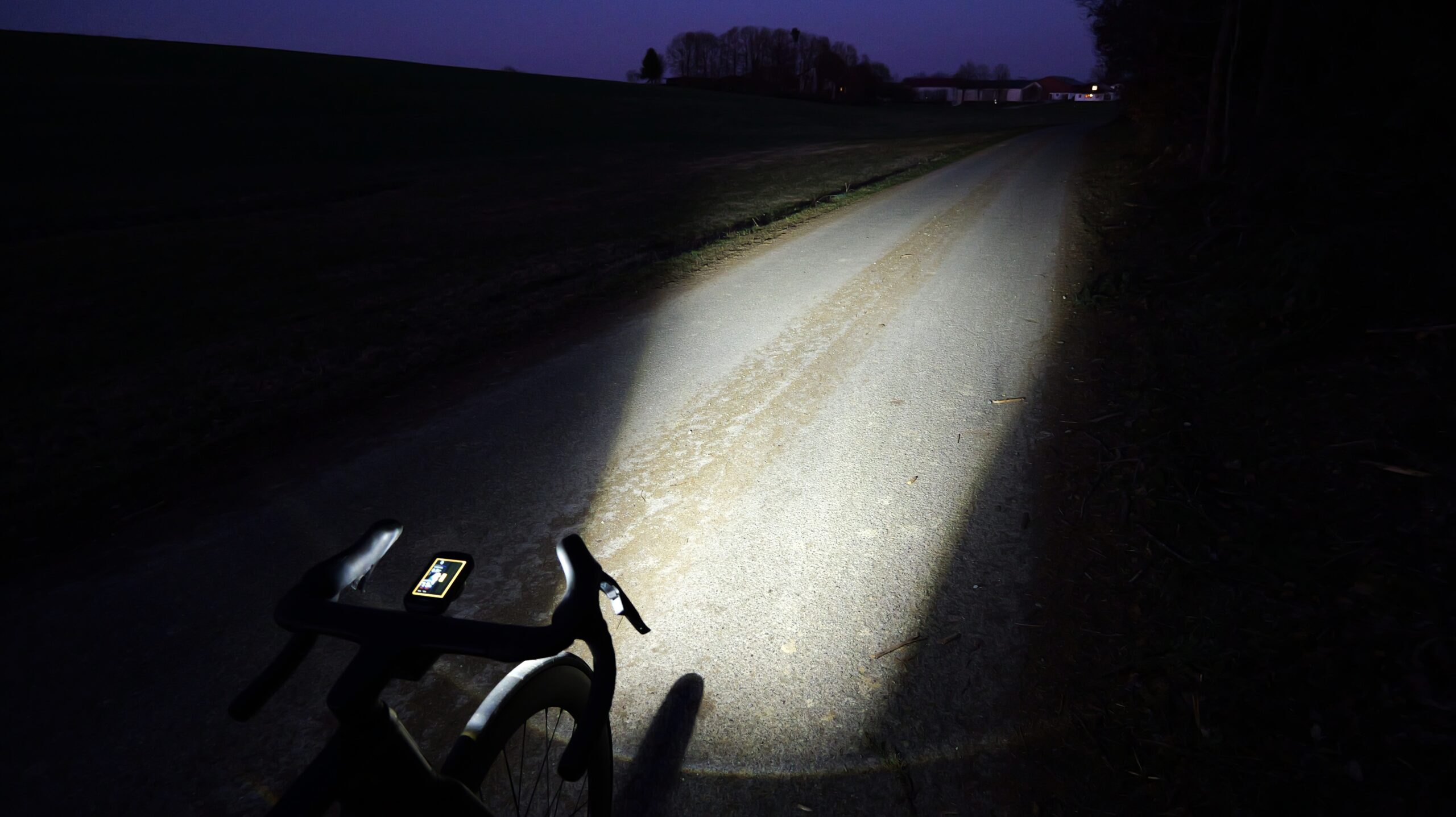
In darkness
- Ride with a powerful front light and bright rear light.
- Use reflective clothing or a high-visibility vest.
- Choose familiar routes that are as quiet as possible.
- Reduce speed, particularly in corners and on descents.
Related reading
Also read the guide to road safety when road cycling. It covers shoulder checks, hand signals, keeping your distance and defensive behaviour on the road.
Typical beginner mistakes with helmets, lights and visibility
Many mistakes result from beginners underestimating the effect of lights, clothing or helmet position rather than from recklessness. Greater visibility only comes when lights, clothing, helmet and behaviour work together. Knowing these points makes typical beginner mistakes easy to avoid.
- Helmet too loose: a wobbling helmet offers less protection in an emergency.
- Helmet too far back: your forehead is then insufficiently protected.
- Chin strap open or too loose: the helmet can shift during a crash.
- Only dark clothing: black looks sporty but is often difficult to see in poor visibility.
- Covered rear light: saddle bags, jackets or tool rolls can block the light.
- Battery not charged: a good light is useless if it goes out during your ride.
- Switching lights on too late: at dusk and in rain, it is better to be visible earlier.
Do not wait until complete darkness to think about lights
Many critical situations arise at dusk or in changing light. This is precisely when road cyclists often overestimate how well they can actually be seen.
Increase road cycling visibility: check your helmet and lights regularly
Safety equipment only works if it is maintained and ready to use. Check your helmet, lights and reflective clothing regularly. This keeps your equipment reliable and helps you remain more visible over time. It takes only a moment but can be crucial.
Quick check before every road bike ride
- Helmet: does it sit securely with no visible cracks?
- Straps: are the chin and side straps adjusted correctly?
- Rear light: is it charged, switched on and uncovered?
- Front light: is the output sufficient for your route and time of day?
- Clothing: are you clearly visible in the current lighting conditions?
- Reflectors: are the reflective details clean and visible?
More on bike control
You can find a detailed explanation in the article on road cycling technique for beginners. It covers bike control, braking, cornering, shoulder checks and safe behaviour on a road bike.
Verdict: increasing road cycling visibility makes you safer and more relaxed
Increasing road cycling visibility is one of the simplest yet most important road cycling safety measures. You do not need the most expensive equipment, but above all a correctly fitting helmet, reliable lights and clothing that stands out in traffic.
Beginners particularly benefit from paying attention to these basics early on. Riders who are seen and feel secure with their equipment ride in a more relaxed, predictable and confident way.
The key point in one sentence
Wear a suitable helmet, ride with good lights and make yourself visible, particularly in rain, at dusk, in darkness and on country roads.
Frequently asked questions: increasing road cycling visibility
How can I increase my road cycling visibility?
You can increase your road cycling visibility by using a bright rear light, switching on a front light in poor visibility, wearing bright or reflective clothing and ensuring that your helmet, jacket or saddle bag does not cover any lights.
How should a road cycling helmet fit?
A road cycling helmet should sit firmly and straight on your head. It must not wobble or sit too far back, and should protect your forehead. The chin strap should fit snugly without uncomfortable pressure.
Is a helmet compulsory when road cycling?
In Germany, there is no general helmet requirement for ordinary cyclists. Nevertheless, a helmet is highly recommended for road cycling because road cyclists often travel faster and face a higher risk of injury in a crash.
Which road cycling helmet colour is most visible?
Bright colours such as white, yellow, orange or strong contrasting colours are usually more visible in traffic than dark helmets. Reflective details can further improve visibility.
Do I also need road bike lights during the day?
During the day, lights are particularly useful on country roads, in rain, fog, dusk or changing light conditions. A clearly visible rear light can help vehicles behind you recognise you earlier.
What makes road cyclists more visible in darkness?
A powerful front light, a bright red rear light, reflective clothing, bright colours and moving reflectors on shoes or legs significantly improve visibility.
When should I replace my road cycling helmet?
You should replace your helmet after a crash, even if it still looks fine from the outside. You should also replace it if cracks, pressure damage, damaged straps or material fatigue are visible.
Read next
New to road cycling?
Then start with the basics. A suitable helmet, good visibility, secure bike control and defensive behaviour in traffic often offer more at the beginning than expensive upgrades or shaving off a few grams. If you want to be seen more easily, this safety combination is the best starting point.
View the road cycling basics overview →