
Road safety when road cycling
Road cycling is fun, but on the road you need attention, clear communication and defensive riding. Here, you will learn the most important basics for riding more safely in traffic.
Safe road cycling starts with behaviour rather than speed.
Beginners in particular often underestimate the importance of anticipating what lies ahead on a road bike. You travel quickly, are easily overlooked in traffic and share the road with cars, buses, lorries, pedestrians and other cyclists.
The good news: many dangerous situations can be avoided if you know the most important traffic rules, ride visibly and adapt your riding to your surroundings.
The most important safety rules at a glance
Anticipate what lies ahead and always allow for others making mistakes.
Check over your shoulder before every turn or move outwards.
Give clear hand signals before turning or changing lanes.
Keep enough distance from parked cars and kerbs.
Do not ride in the blind spots of cars, buses or lorries.
Adjust your speed at junctions, bends and places with limited visibility.
Take particular care on wet surfaces, leaves, rails and drain covers.
Use lights and highly visible clothing in poor visibility.
Why safety is particularly important on a road bike
Road bikes are fast, light and responsive. That is precisely what makes them so fascinating, but also demanding. You quickly reach higher speeds than on a normal bicycle, have narrow tyres and must be able to react to poor roads, traffic and weather.
Many beginners initially focus heavily on shifting, riding position or speed. In traffic, however, something else matters even more: you must ride predictably, react early and remain aware of your surroundings.
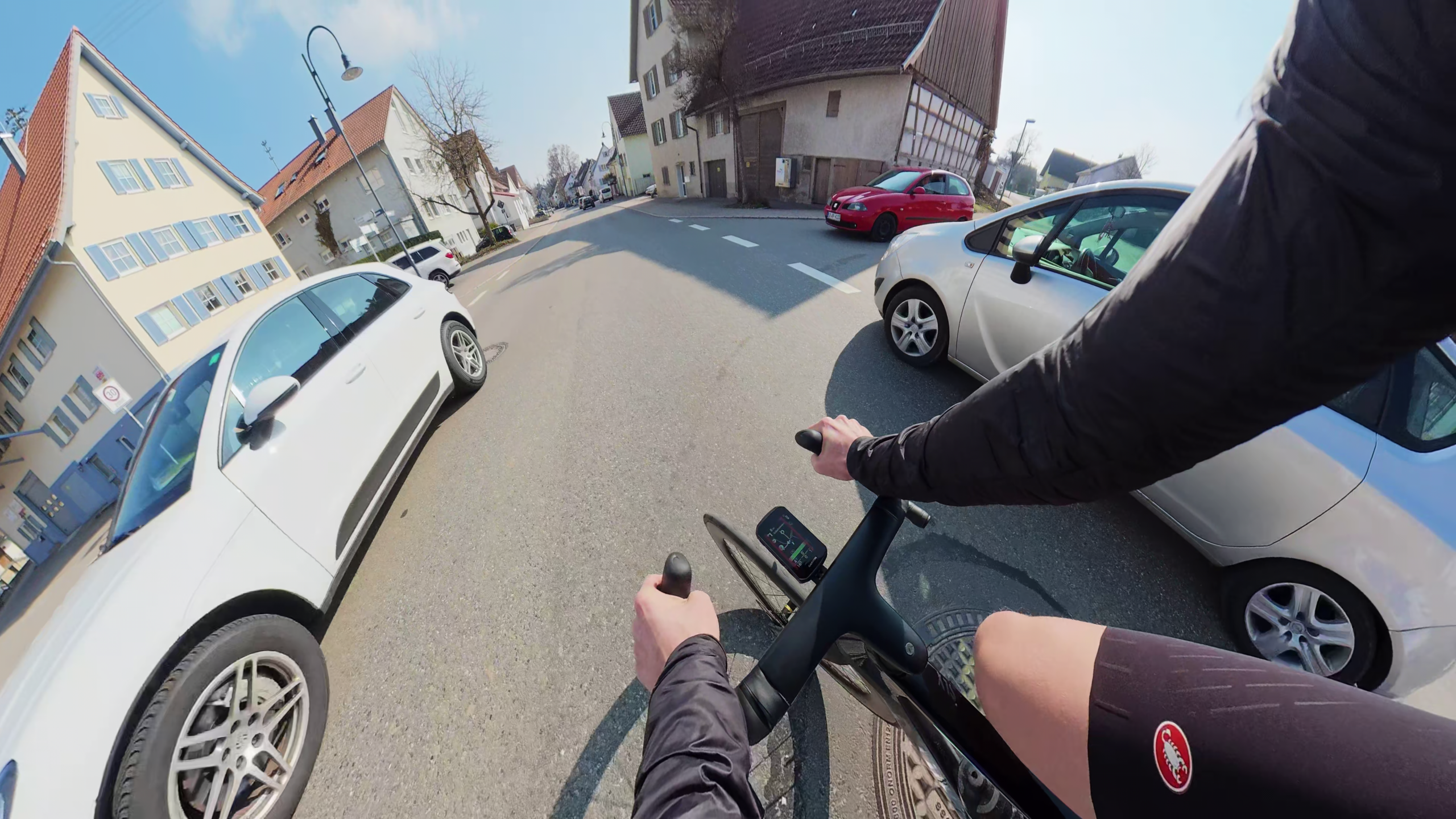
Road cycling safety means staying alert, riding visibly and communicating early.
A rule to remember for beginners
Ride so that other road users can understand what you will do next. Sudden movements, late hand signals and uncertain lines increase risk.
The most important traffic rules for road cyclists
In general, the same traffic rules apply to road cyclists as to other cyclists. This means traffic lights, right of way, road signs and direction of travel still apply when you are riding for sport.
It is particularly important not to behave as if you were training on a closed course. In normal traffic, safety always comes before speed, segments, average pace or your training plan.
What deserves particular attention
- Obey traffic lights: red lights apply to road cyclists too.
- Respect right of way: do not assume that others see you.
- Use cycle paths correctly: pay attention to signs, condition and safety.
- Do not ride against the direction of traffic: this is particularly dangerous at driveways and junctions.
- Avoid risky overtaking: better to wait briefly than squeeze past.
- Stay alert: headphones, phones or distractions slow your reactions.
Watch out for right-turning vehicles
Never ride carelessly alongside lorries, buses or vans that might turn right. Blind spots create some of the most dangerous situations for cyclists.
Shoulder checks, hand signals and clear communication
In traffic, knowing where you want to go is not enough. Others must be able to recognise it too. That is precisely why shoulder checks and hand signals are so important.
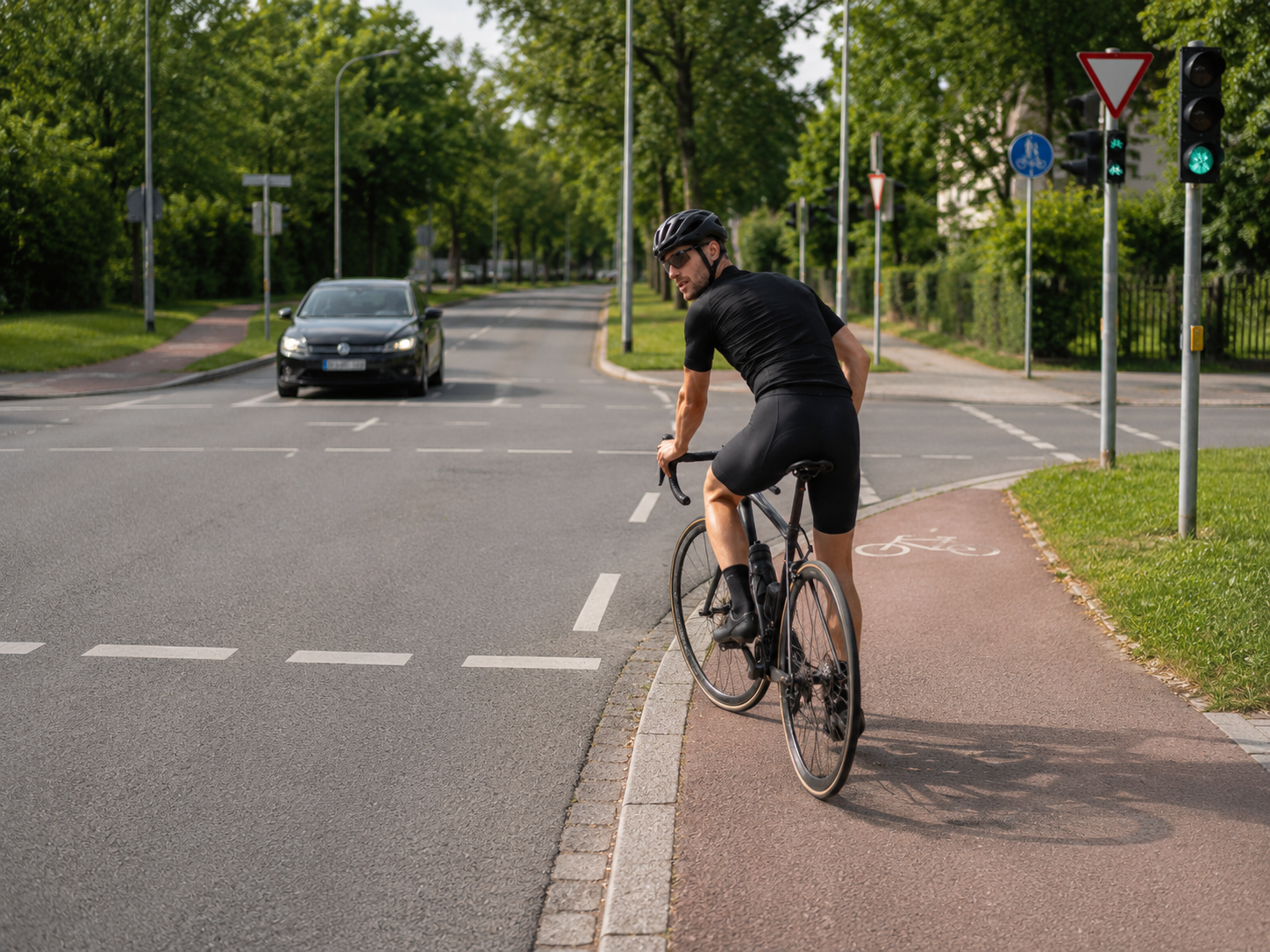
Shoulder check
Before turning, overtaking or avoiding an obstacle, look briefly over your shoulder. This helps you spot vehicles approaching from behind.
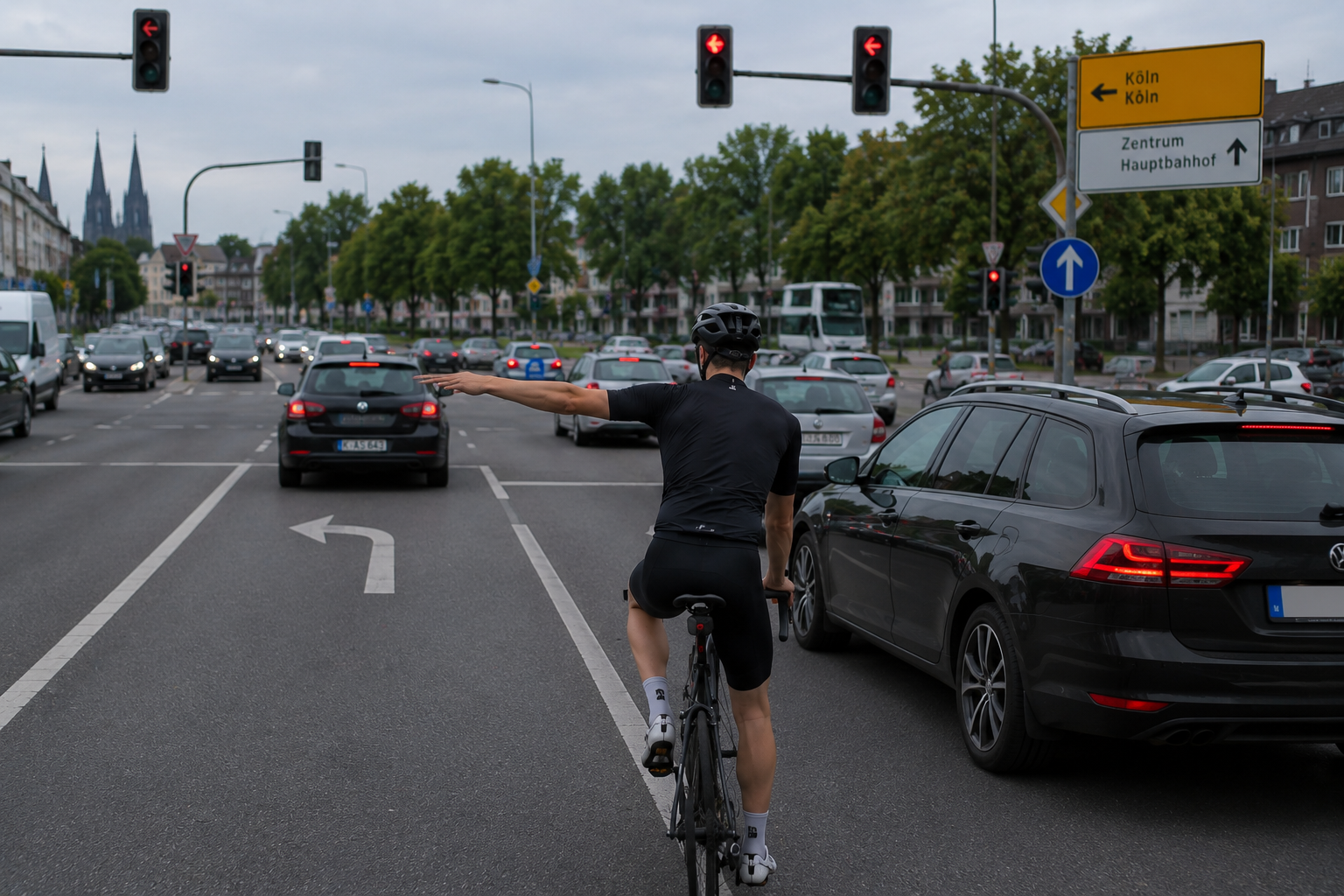
Hand signal
Give your hand signal clearly and early enough. Then return both hands securely to the handlebar, especially before bends, braking manoeuvres or rough surfaces.
Typical situations for hand signals
- Turning left or right
- Changing lanes or moving out around parked cars
- Avoiding obstacles
- Stopping or slowing significantly in a group
Tip
Practise riding one-handed on quiet paths. If you cannot ride one-handed confidently, your signals in traffic are often too late or too uncertain.
Keep your distance: from cars, kerbs and other riders
Many beginners ride very far to the right because they lack confidence. This may initially seem safe but can become dangerous. Too close to the kerb, you have fewer escape options, a poorer road surface and more risk from drain covers, dirt or edges.
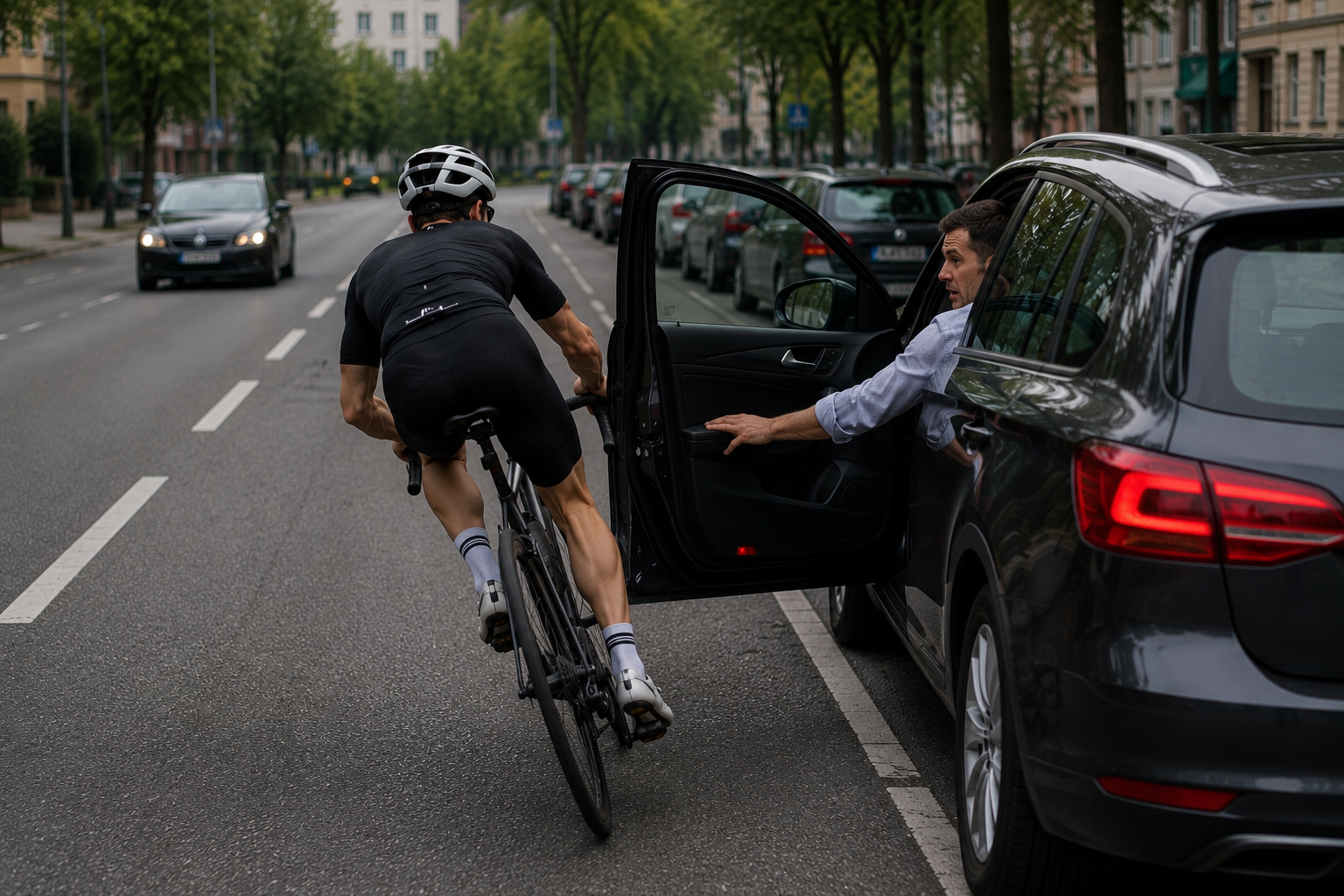
Distance from parked cars
Parked cars are an underestimated hazard. Doors may open suddenly, vehicles may pull out or pedestrians may step out between cars. Avoid riding directly alongside parked cars.
Distance from the rider ahead
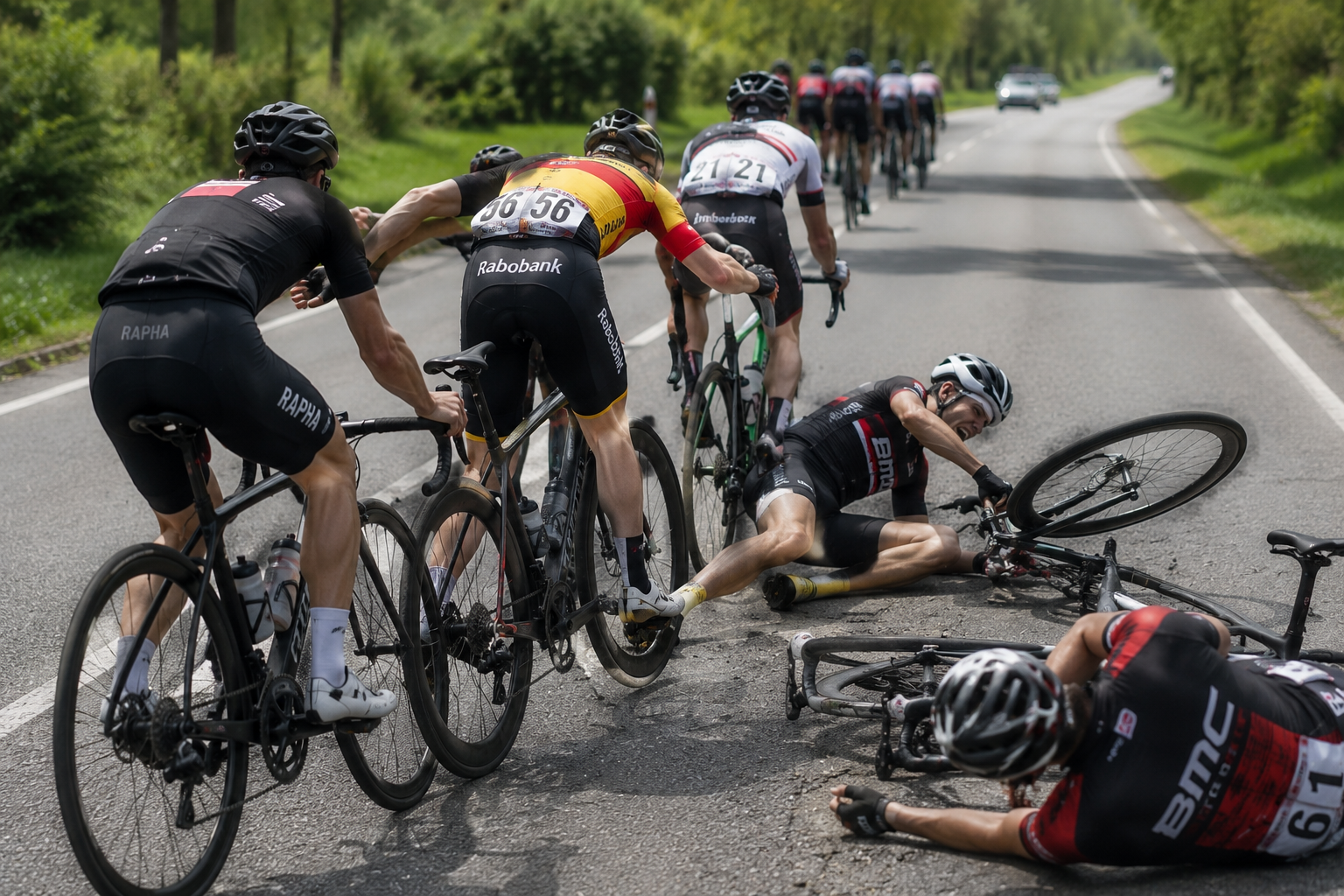
Distance is crucial, particularly in a group. If you ride too close, you barely have time to react. Beginners should start with a larger gap and gradually get used to group rides.
Extra safety through road bike radar?
Road bike radar can help you notice vehicles approaching from behind earlier. Particularly on country roads, with wind noise or when riding alone, such a system can provide an additional safety factor.
However, radar does not replace a shoulder check or defensive riding. It is an additional aid to help you assess the traffic behind you.
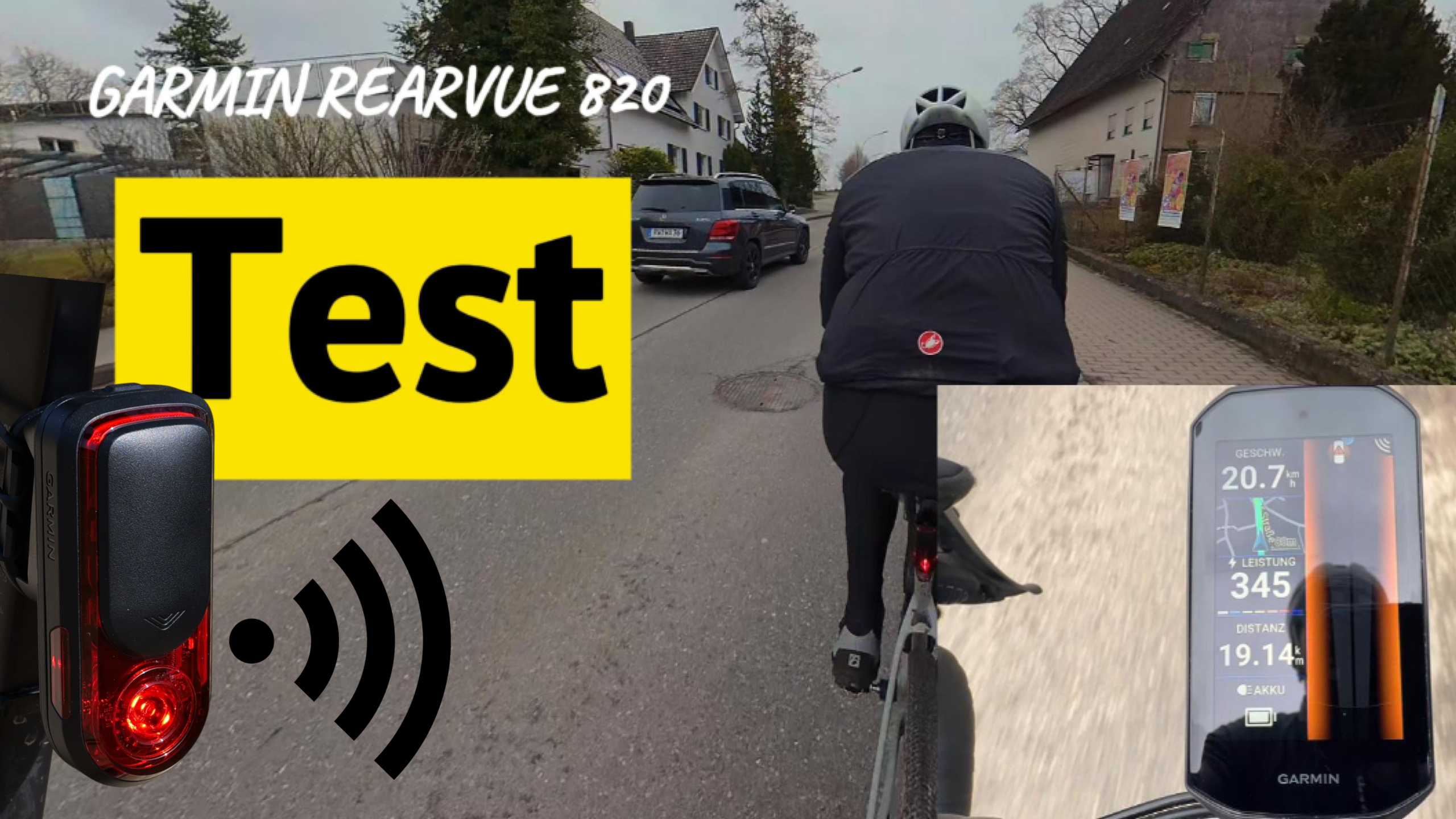
Garmin RearVue 820 review
In the review, I show how useful road bike radar is in practice, when it really improves safety and who will find it worth buying.
Read the Garmin RearVue 820 review →Recognising hazards in traffic
Safe road cycling means noticing hazards before the last moment. You can recognise many critical places early if you actively look for them.
Take these places particularly seriously
- Junctions: other road users may overlook you or misjudge your speed.
- Roundabouts: ride clearly and visibly, without sudden lane changes.
- Entrances and exits: cars often emerge suddenly from properties or car parks.
- Tram rails: narrow road bike tyres can get caught. Cross at a pronounced angle where possible.
- Drain and manhole covers: they can be slippery, especially when wet.
- Loose gravel and leaves: reduce grip, especially in corners.
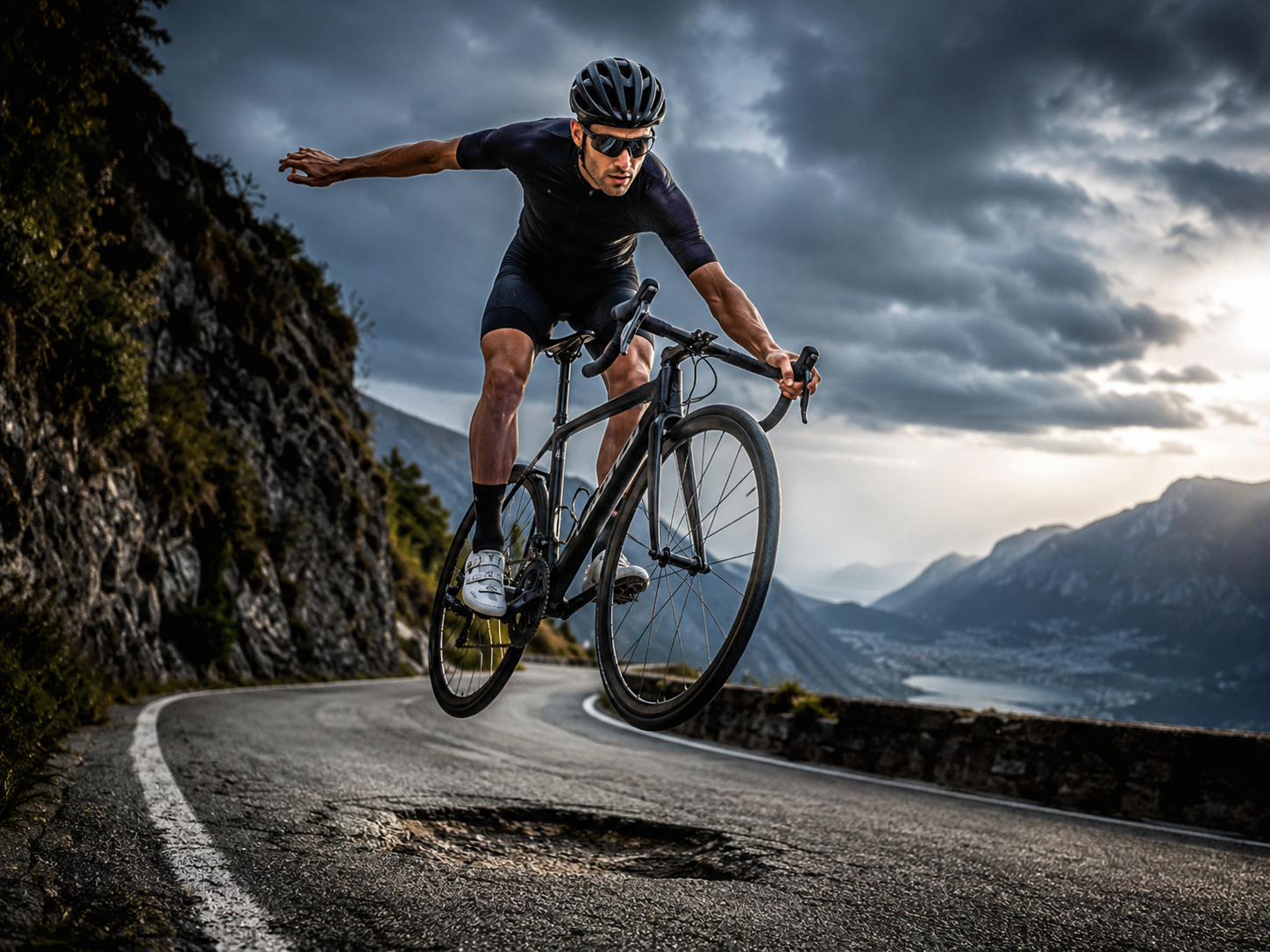
- Poor road surfaces: potholes, edges and cracks can be dangerous with narrow tyres.
- Blind spots: avoid positions alongside large vehicles, especially at traffic lights.
Do not rely on right of way
Even having the legal right of way does not protect you from others' mistakes. When in doubt, brake once more rather than insist on your rights.
Riding safely in rain, darkness and poor visibility
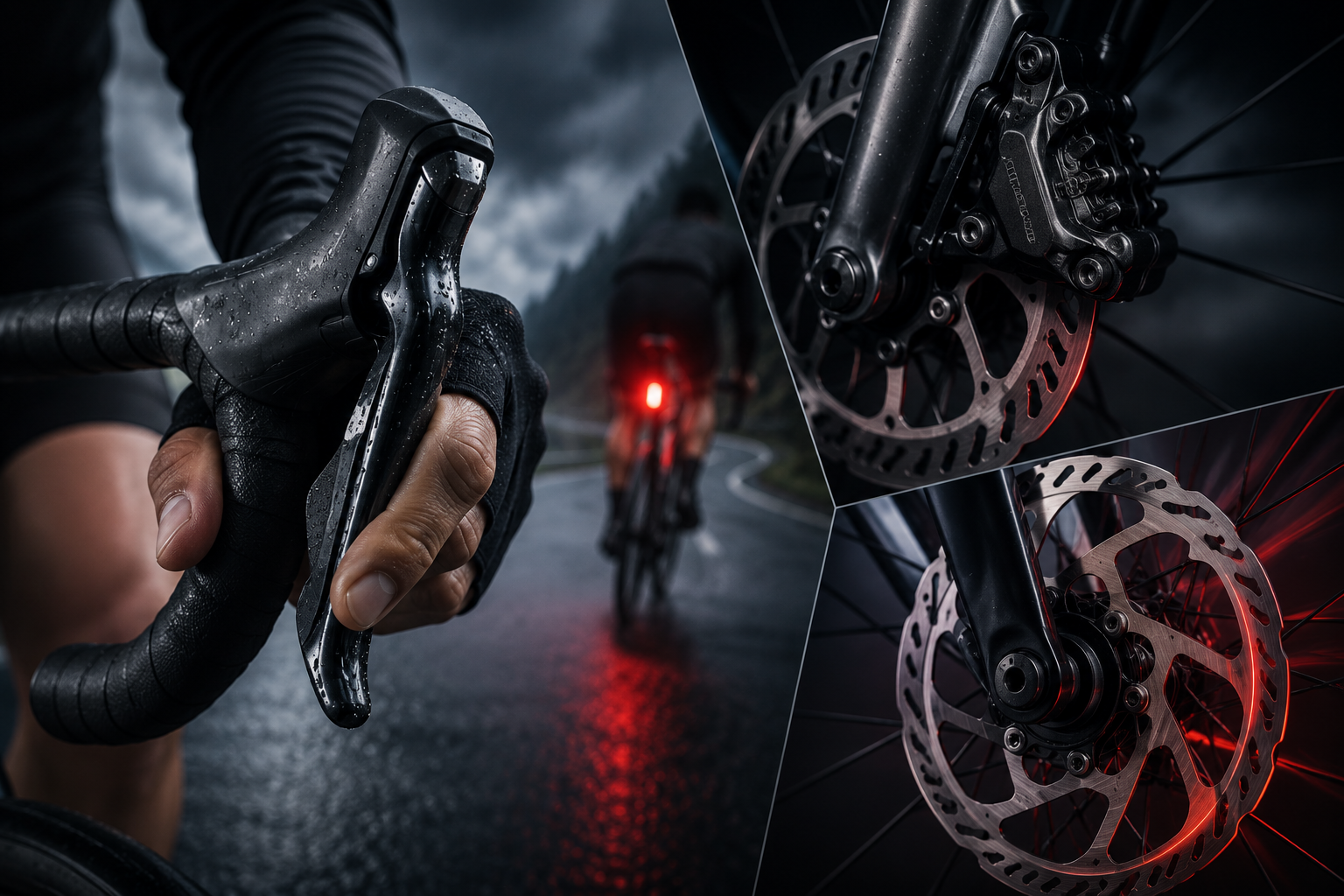
In good weather on a dry road, a road bike feels responsive and controllable. Rain, darkness or leaves significantly change its handling. Braking distances increase, corners become more slippery and you are less visible.
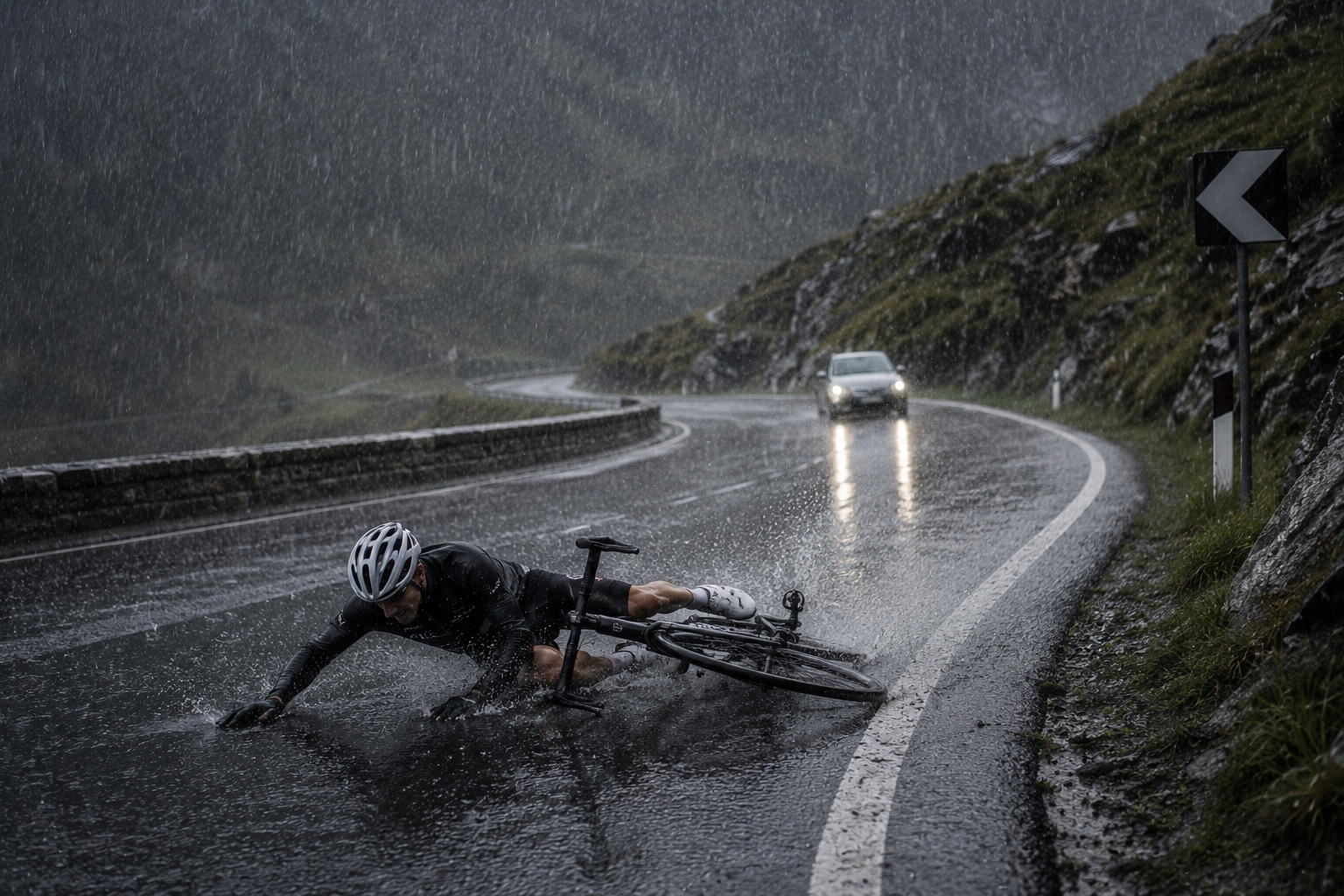
In the rain
- Take corners more slowly and smoothly.
- Brake earlier and more progressively.
- Avoid white road markings, rails and metal surfaces.
- Keep more distance from other road users.
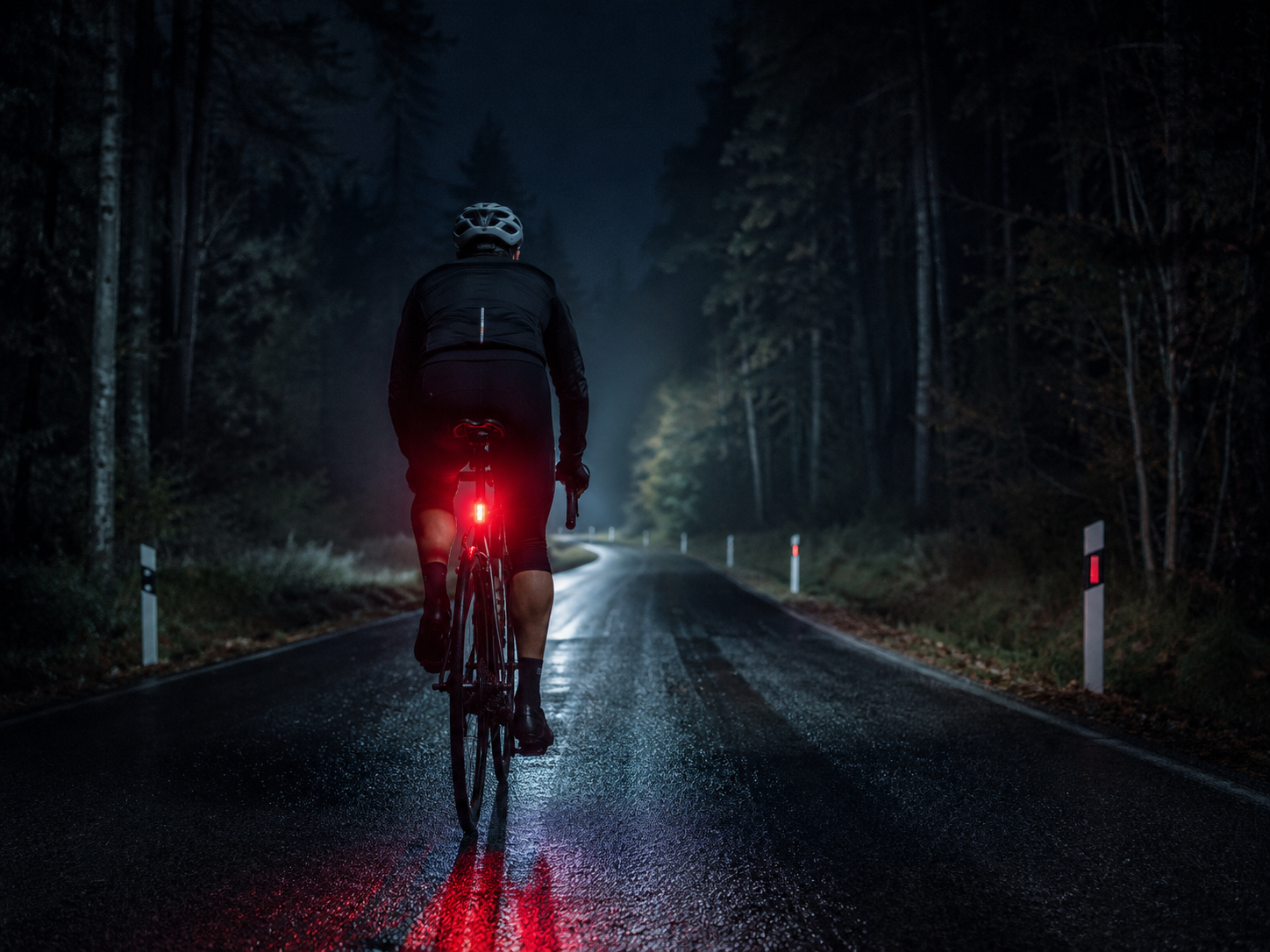
In darkness or at dusk
- Use front and rear lights.
- Wear bright or reflective clothing.
- Ride more defensively because you are seen later.
- Choose familiar, well-lit routes.
The next important step
You can find more in the guide to increasing your road cycling visibility. Visibility is one of the most important safety factors for road cycling beginners.
Typical beginner mistakes in traffic
Many mistakes result from uncertainty or lack of experience rather than recklessness. Knowing these common examples makes them easier to avoid.
- Riding too far right: directly beside the kerb, you have less room to avoid obstacles and often a poorer surface.
- No shoulder check: moving out without looking behind risks dangerous situations.
- Late hand signals: others need time to understand your actions.
- Cornering too fast: the front wheel can slip, especially on wet surfaces, leaves or loose gravel.
- Riding too close: this leaves insufficient reaction time, especially in groups.
- Too much trust: not everyone sees you. Ride defensively and expect mistakes from others.
Safety check before every road bike ride
Road safety depends on more than your riding style. Your road bike must work too. A quick pre-ride check takes less than a minute and can prevent problems.
- Brakes: do the front and rear brakes engage properly?
- Tyres: is there enough air, and are there no visible cracks?
- Wheels: are the thru-axles or quick releases secure?
- Chain: does it run smoothly, and is it not completely dry?
- Lights: do the front and rear lights work?
- Repair kit: do you have an inner tube, tyre levers, a pump or CO₂?
- Phone: is it charged and stored within reach?
Find out more
You can find a detailed explanation in the article on basic bike checks.
Verdict: riding safely does not mean riding fearfully
Road cycling safety does not mean riding slowly or uncertainly. It means recognising situations early, remaining predictable and acting defensively.
If you master shoulder checks, hand signals, keeping your distance, visibility and anticipating what lies ahead, you will feel much more relaxed in traffic. Particularly at the start, these basics often offer more than any expensive upgrade.
The key point in one sentence
Ride visibly, predictably and defensively, and road cycling in traffic becomes safer, more relaxed and much more enjoyable.
Frequently asked questions about road cycling safety
Is road cycling in traffic dangerous?
Road cycling can be risky if you ride inattentively, invisibly or unpredictably. Defensive riding, clear hand signals, shoulder checks and good visibility can significantly reduce many risks.
What is the most important safety tip for beginners?
The most important tip is to anticipate what lies ahead. Always expect others to overlook you or misjudge your speed.
Why is checking over your shoulder so important when road cycling?
A shoulder check shows you what is happening behind you. It is especially important before turning, overtaking, changing lanes or avoiding obstacles.
How much distance should I keep from parked cars?
Do not ride directly alongside parked cars. Doors may open suddenly. A sufficient safety gap gives you more time to react.
What should I consider in the rain?
In the rain, ride more slowly, brake earlier and take particular care on markings, rails, drain covers and leaves.
Do I need lights on a road bike?
Yes, especially in darkness, at dusk, in rain or poor visibility. Lights increase your visibility and are an important part of your safety equipment.
Read next
New to road cycling?
Then work through the basics step by step. Safety, visibility, bike control and braking form the foundation before speed, training and long rides become important.
View the road cycling basics overview →