
Road cycling basics
The essential basics of road cycling: safety, technique, training, equipment and practical riding skills, explained clearly for beginners and ambitious recreational riders.
The essential road cycling basics
From road safety to enjoying the ride, here you will find the topics every road cyclist should understand sooner or later. (Images 1-3 are AI-generated)
 1
Road safety
Without traffic rules, shoulder checks, hand signals and defensive riding, road cycling can quickly become dangerous.
Safety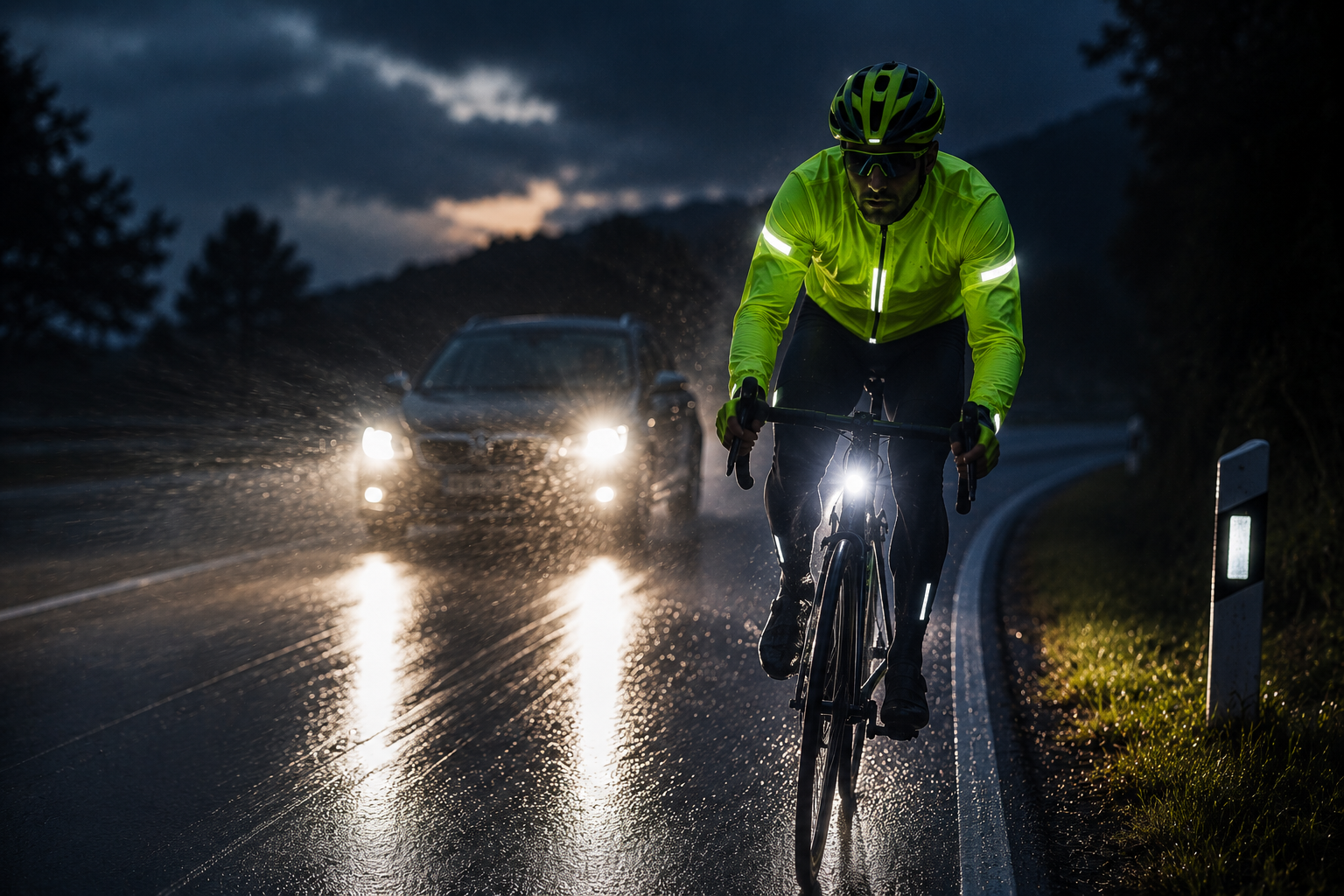 2
Increase your visibility on a road bike
A helmet, lights, bright clothing and reflectors are basics, especially at dusk or in bad weather.
Equipment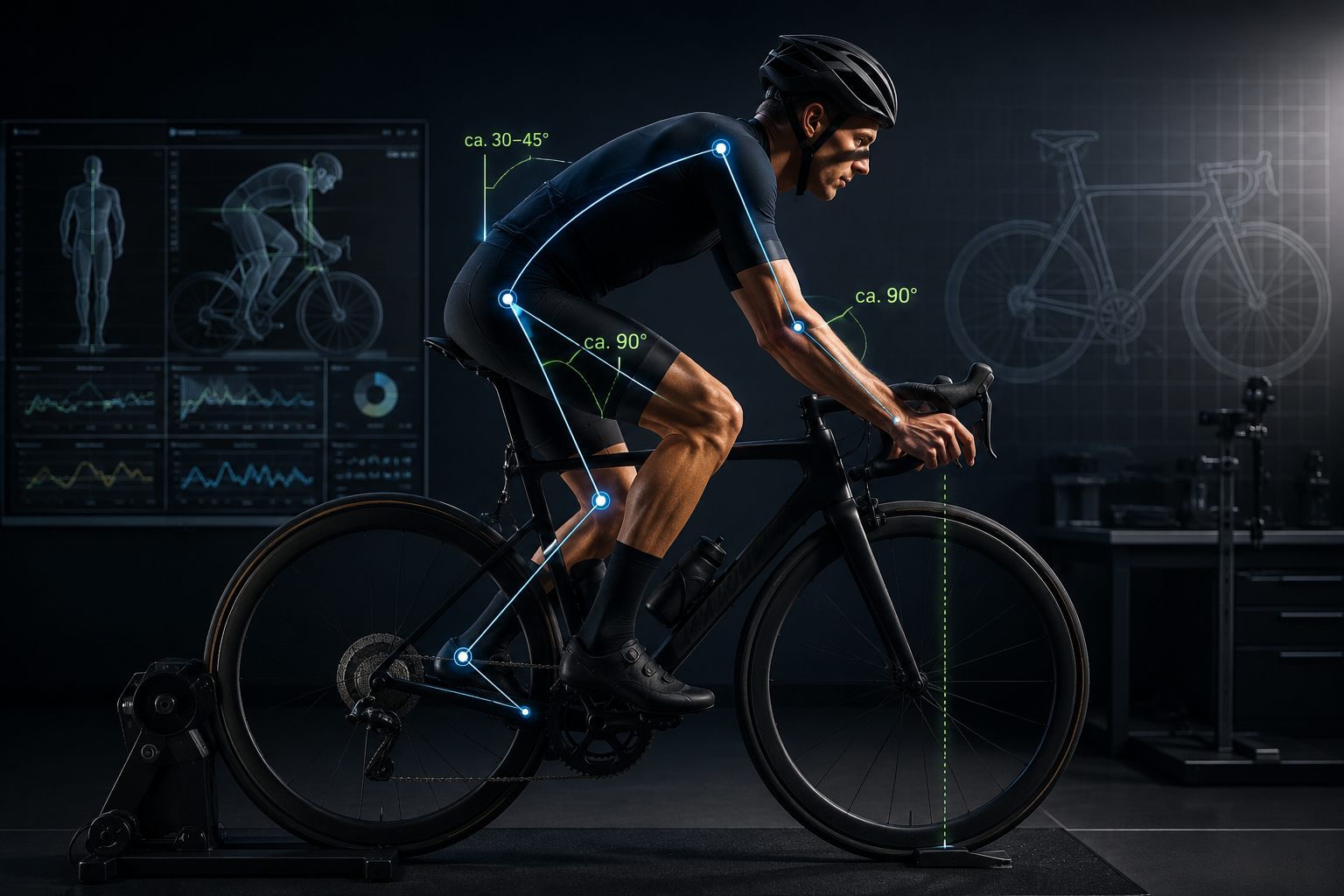 3
DIY bike fitting: adjusting your road bike riding position
Prevents pain in your back, neck, knees and hands. A poorly adjusted bike is no fun.
Comfort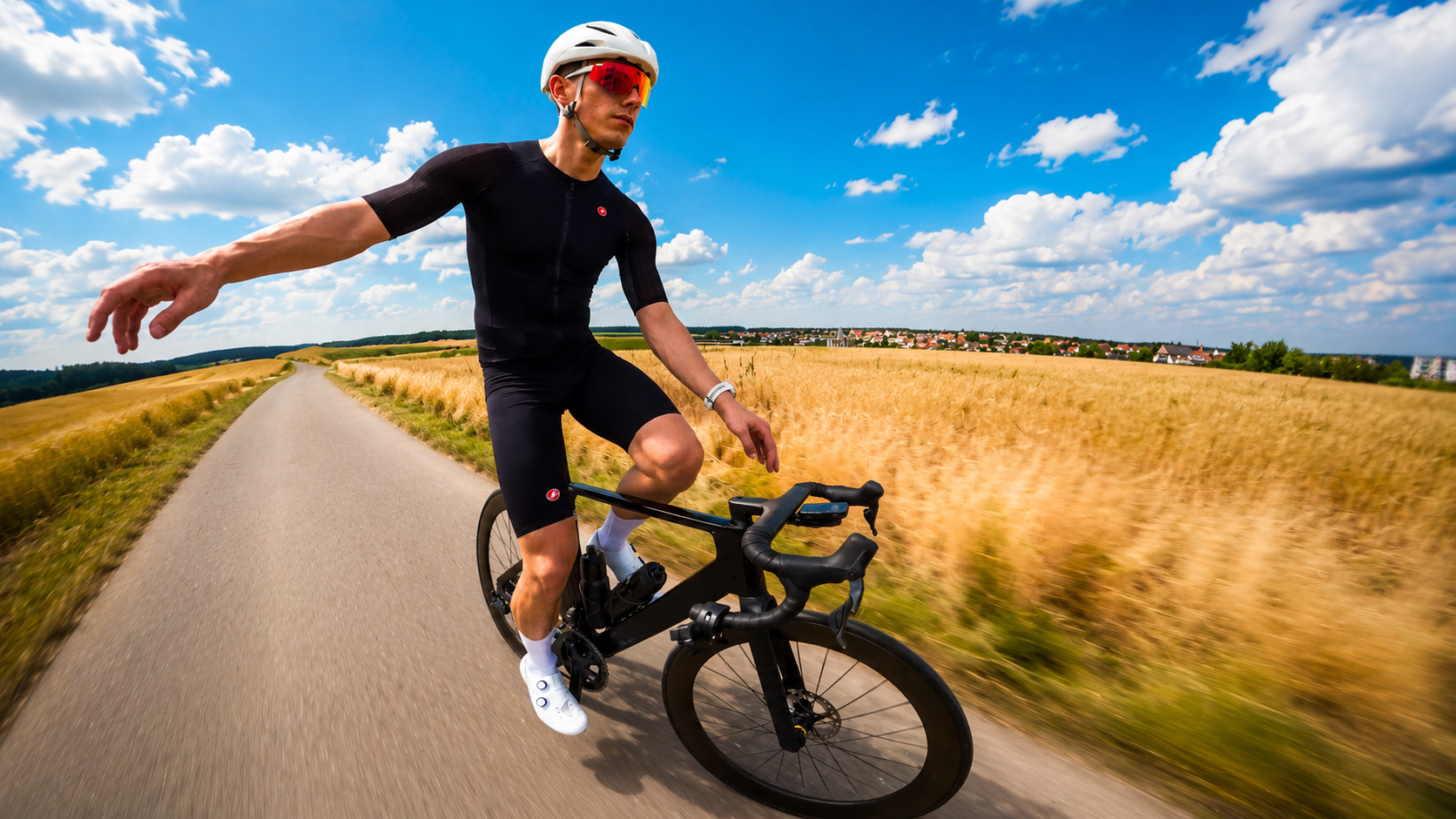 4
Road cycling technique for beginners
Clipping in and out, braking, cornering, avoiding obstacles, riding one-handed and checking over your shoulder must all feel secure.
Riding techniqueLatest blog posts...
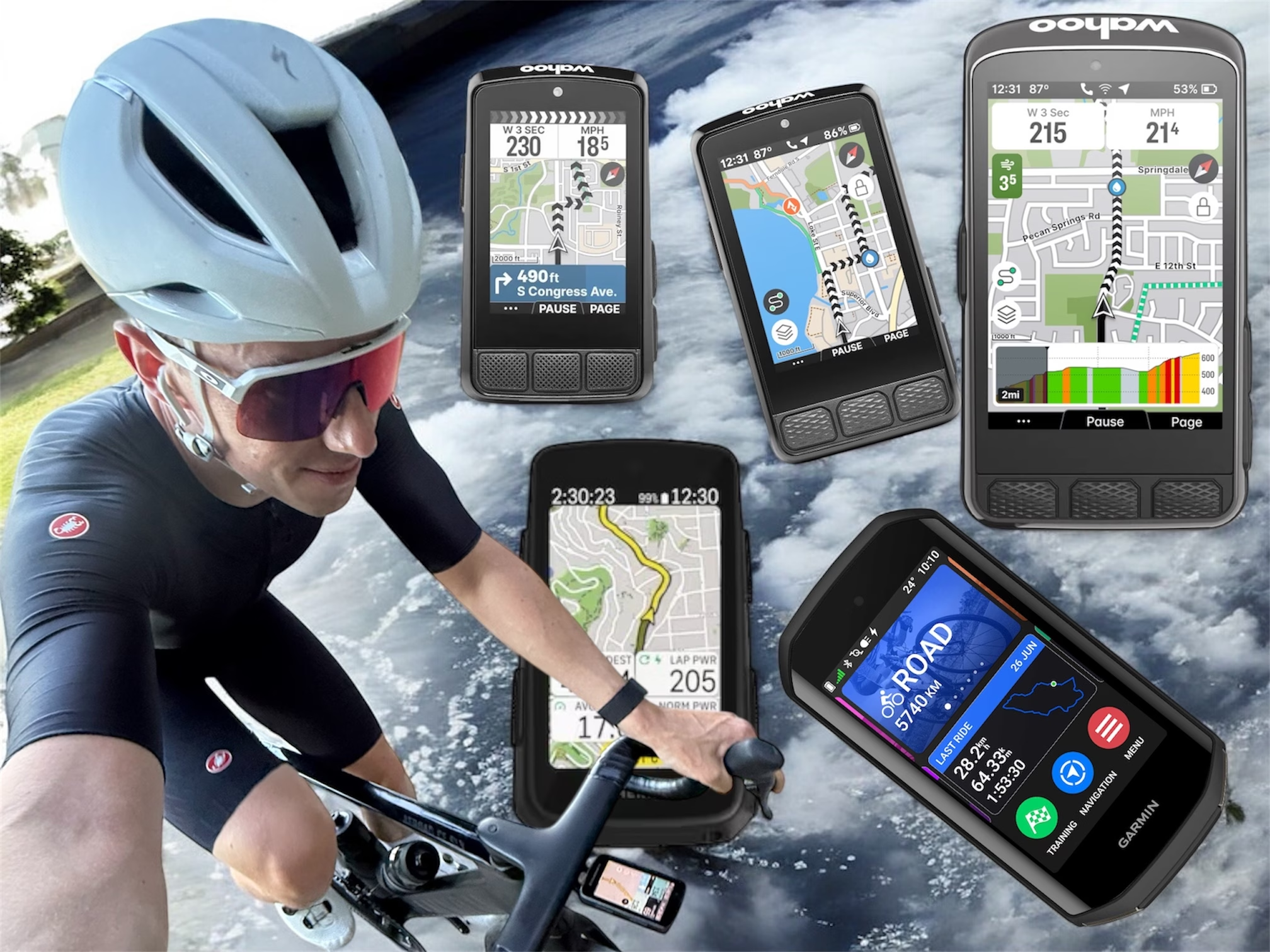
Comprehensive bike computer test 2026
Which bike computer really suits you? Our comprehensive bike computer test closely examines different models, from compact entry-level devices to high-end GPS computers for professionals.
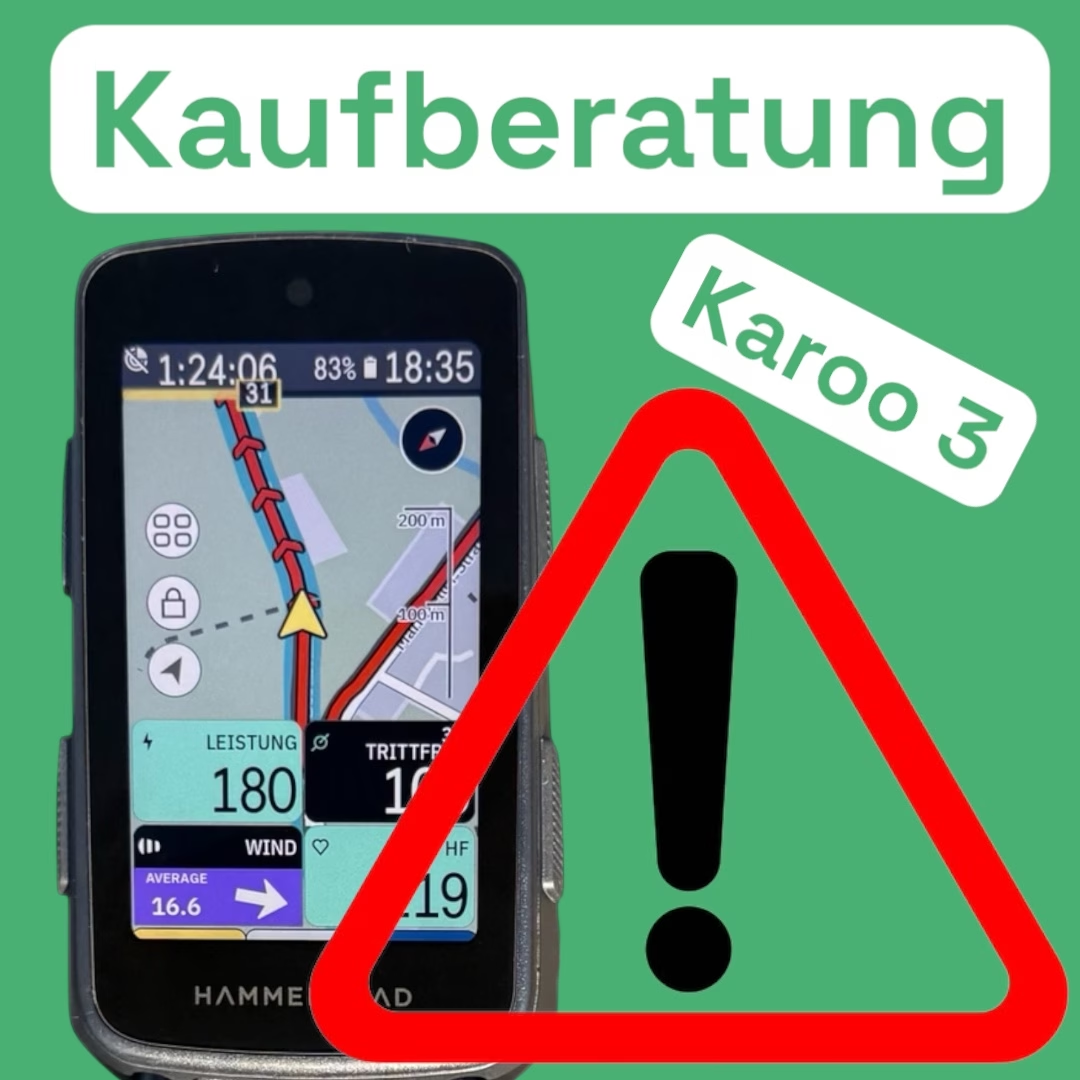
Buy the Hammerhead Karoo 3 – is the new GPS bike computer worth it?
The Hammerhead Karoo 3 is a modern GPS bike computer with a brilliant 3.2-inch touchscreen, precise multi-band navigation and powerful hardware. Features such as Strava Live Segments, CLIMBER without a planned route and seamless SRAM AXS integration make it an ideal companion for ambitious cyclists. Despite its robust construction and long battery life, there are minor weaknesses, such as no voice navigation and limited touch operation in heavy rain. Overall, the Karoo 3 impresses as a powerful device built for the future, suitable for training, navigation and long rides.
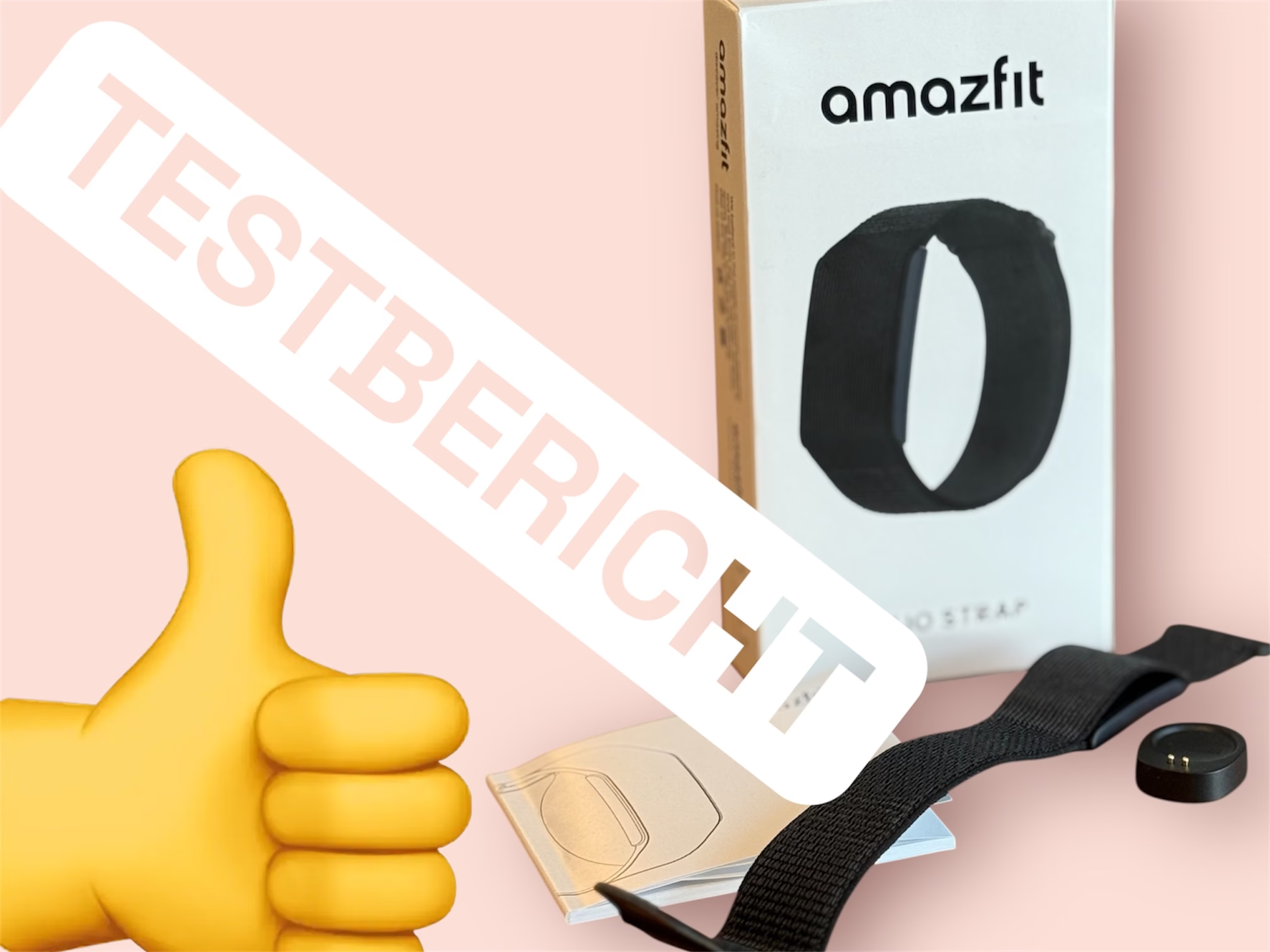
Amazfit Helio Strap 2025 – a game changer for your wrist?
In a world where health, fitness and smart technology are increasingly intertwined, whether in everyday life, during exercise or while travelling, personalised health monitoring is receiving growing attention. Active people who value movement and well-being in particular are looking for reliable wearables that can do more than count steps.