

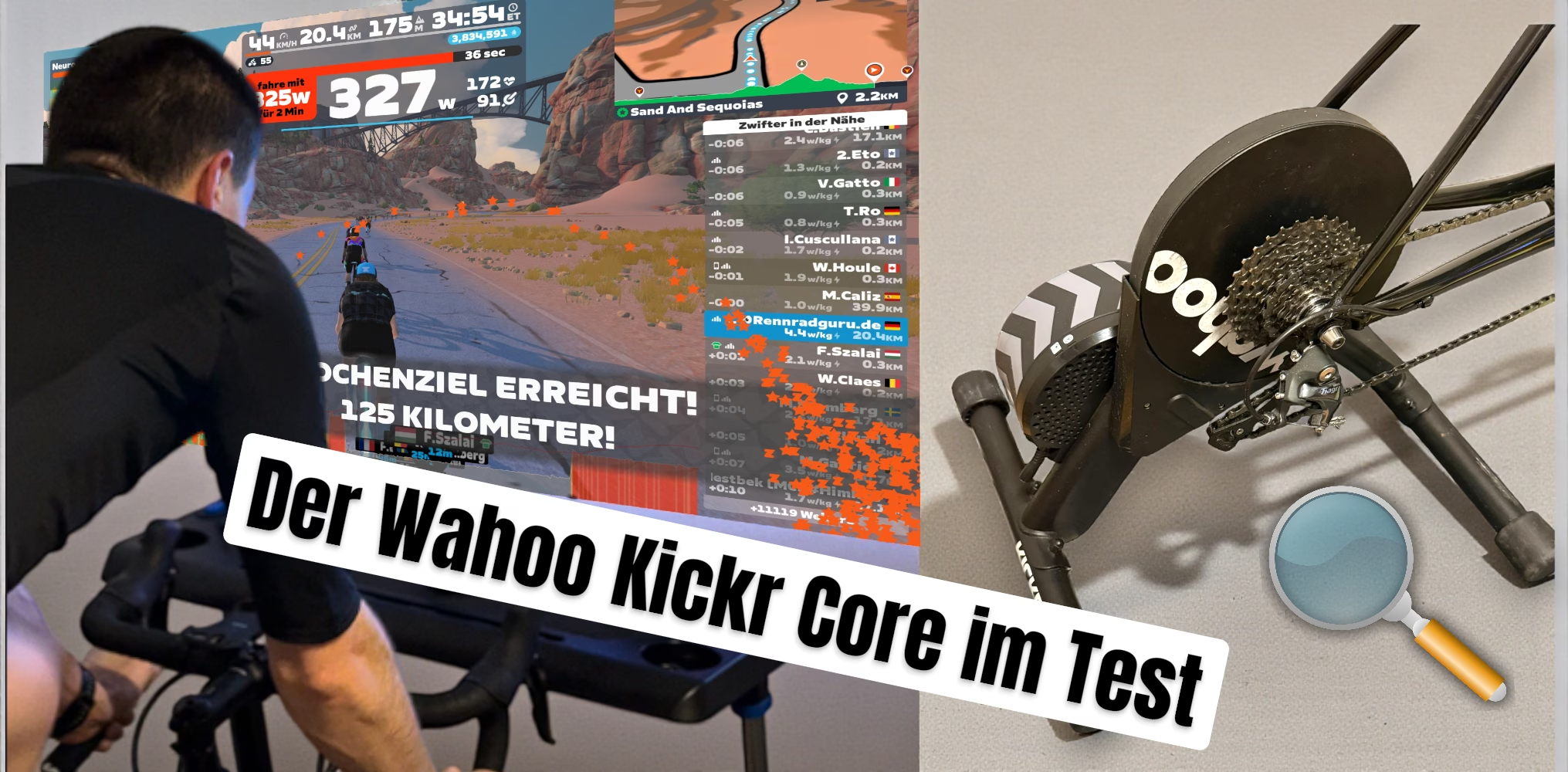
The Wahoo Kickr Core reviewed
WAHOO KICKR CORE – Smart trainer

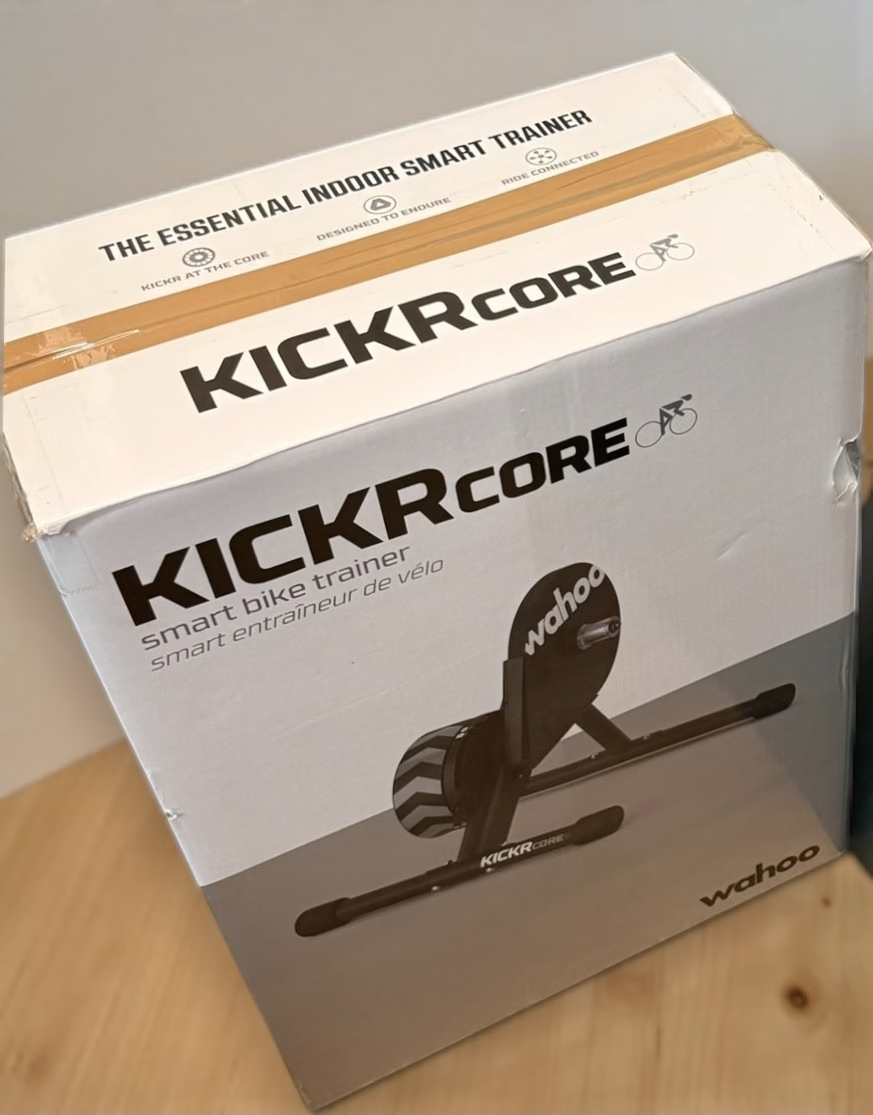

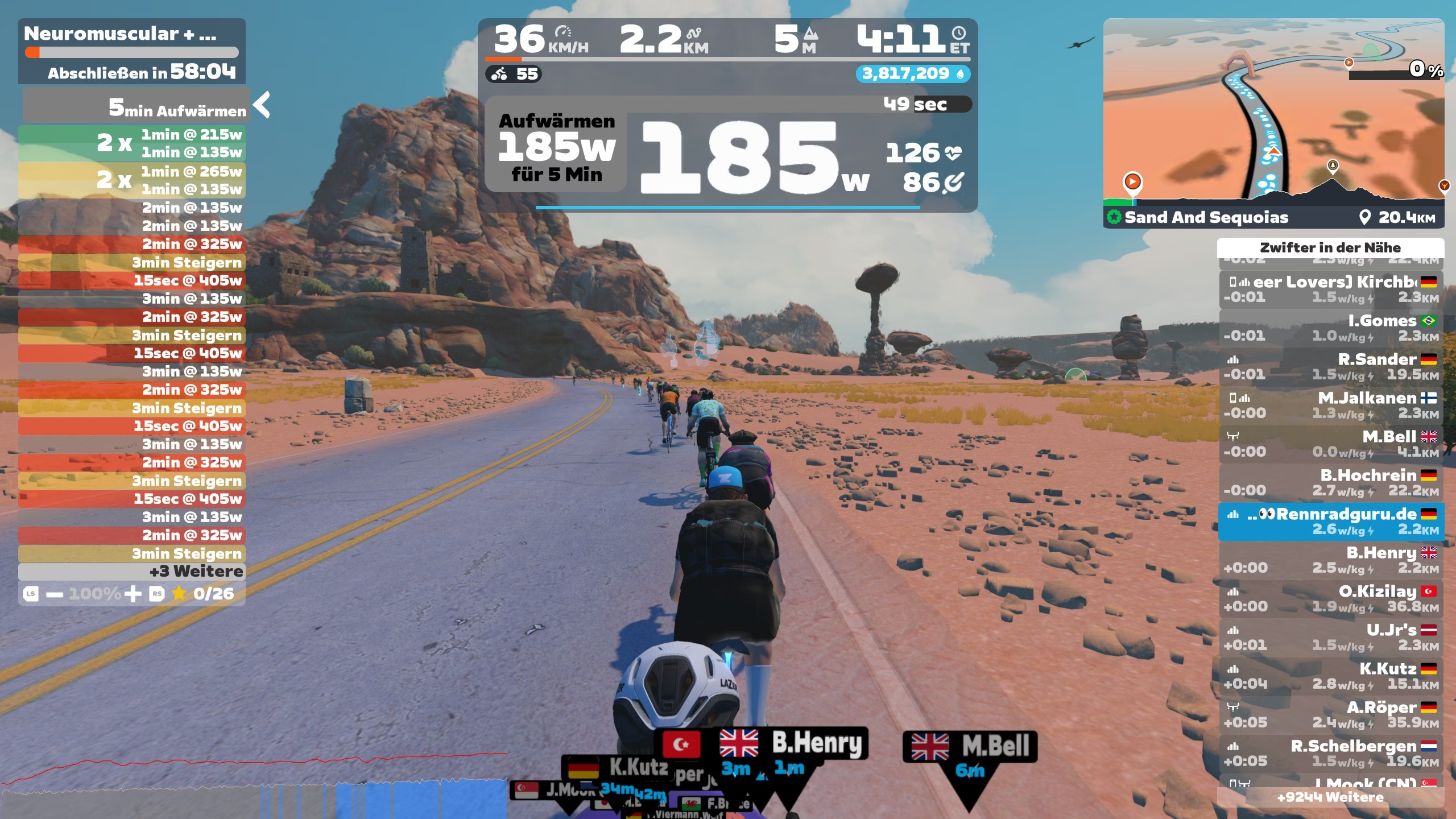
The Wahoo KICKR CORE is a solid smart trainer for efficient indoor training, with a realistic ride feel thanks to its 5.4 kg flywheel. It supports up to 1,800 W and simulates gradients of up to 16 %. Power measurement accuracy is approximately ±2 %.
- Realistic ride feel: 5.4 kg flywheel + stable direct drive.
- Power & simulation: up to 1,800 W and 16 % gradient.
- Excellent connectivity: Bluetooth & ANT+ for Zwift, Wahoo SYSTM and many more.
- ✓If you want to train indoors and value good value for money.
- ✓If you use apps such as Zwift and need a stable connection.
- ✓If you train seriously and ±2 % accuracy is sufficient for you.
The Wahoo Kickr Core* is one of the most popular indoor trainers on the market, and rightly so. For ambitious cyclists who value realistic, efficient indoor training, the Kickr Core offers a successful combination of performance, stability and ease of use. Direct drive ensures precise power transfer while minimising noise and tyre wear. Combined with apps such as Zwift or Wahoo SYSTM, the indoor cycling experience becomes particularly authentic, including automatic resistance adjustments on virtual climbs.
Another advantage is its broad compatibility: the Kickr Core can be used with almost any type of bike and supports common protocols such as ANT+ and Bluetooth, making integration into existing training environments particularly easy. Its power measurement impresses with +/- 2% accuracy, which is crucial for targeted, power-based training. Using your bike's own gears also provides a particularly natural ride feel of the kind normally found only on the road.
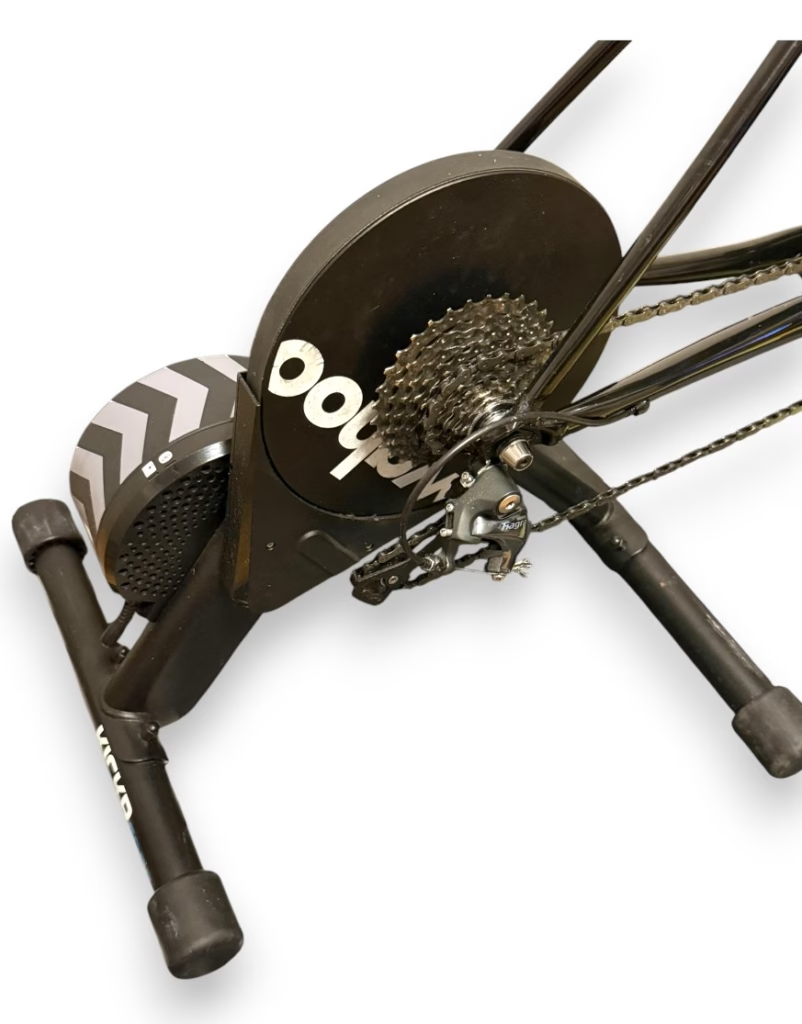
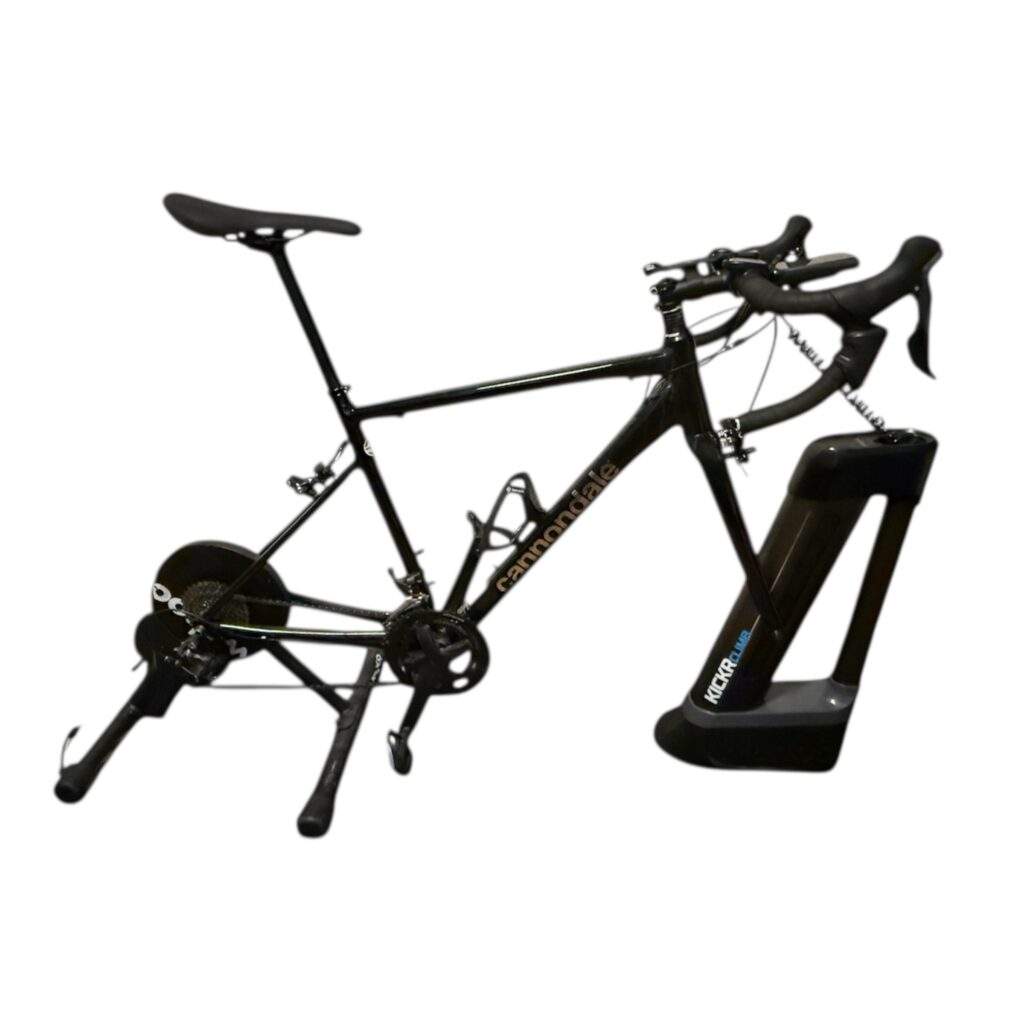
At 50 cm long and weighing around 18 kilograms, the Wahoo Kickr Core is not one of the lightest indoor trainers, but it is among the most stable and robust in its class. Compared with more compact devices such as the Wahoo Kickr Snap or folding smart trainers, the Kickr Core has noticeably more mass, which is especially beneficial during intense sprints and interval training.
Pros and Cons
- Very realistic ride feel thanks to a heavy flywheel (5.4 kg)
- High power (up to 1,800 watts) and realistic gradients (up to 16%)
- Compatible with all common apps such as Zwift, Wahoo SYSTM, TrainerRoad & others.
- Reliable connectivity through Bluetooth, ANT+ and ANT+ FE-C
- Precise power measurement with ±2% accuracy—ideal for structured training
- Quiet operation—perfect for a flat or training room
- Regular firmware updates through the Wahoo app
- Modular design—works well with Wahoo Climb, Headwind, etc.
- Cassette not included—must be purchased separately
- No integrated WiFi (unlike the Kickr V6)
- No carrying handle or folding mechanism—not especially portable
- Setup is a little difficult for beginners (especially the cassette & axles)
- Requires mains power—no operation in offline/stand-alone mode
Rating
Realistic indoor cycling with your own bike
The Wahoo Kickr Core has quickly established itself as one of the most popular smart indoor trainers for ambitious cyclists, and for good reason. With direct drive, precise power transfer and stable construction, it offers a particularly realistic ride feel. A key advantage is using your bike's own gears: instead of learning a new system, you train with your familiar drivetrain, just as you would outdoors on the road. This close resemblance to real riding makes the Kickr Core an excellent choice for anyone wanting effective, motivating indoor training.
As a direct-drive trainer, the Wahoo Kickr Core operates without the rear wheel: your bike mounts directly onto the trainer, with a cassette installed to match your drivetrain, whether Shimano, SRAM or Campagnolo. This not only provides direct, loss-free power transfer but also allows precise resistance control through training apps such as Zwift, TrainerRoad or Wahoo SYSTM. Climbs, descents and training intervals are simulated realistically, so you can ride the intensity and route profiles that match your training goals.



A particular advantage is the natural shifting feel: you use your familiar shifters and change gears just as you do outdoors. Whether a relaxed endurance session or a hard uphill sprint, you choose the gears and the Kickr Core adjusts resistance in real time. This creates a realistic ride feel that is not only motivating but also lets you follow structured training plans precisely. You can target performance improvements and train cadence and technique just as you would on the road.
In our comprehensive Wahoo Kickr Core review, we take a close look at setup, ride behaviour, compatibility and connectivity. The Kickr Core proves a reliable partner for daily indoor training: quiet, stable and intuitive to use. Integration with virtual platforms is straightforward, as is connecting heart rate straps, power meters or cadence sensors. For cyclists seeking a realistic indoor experience at a fair price, the Kickr Core offers a strong overall package, particularly in the mid-price segment, where it has rightly become one of the most popular trainers.
Product overview: the Wahoo Kickr Core in detail
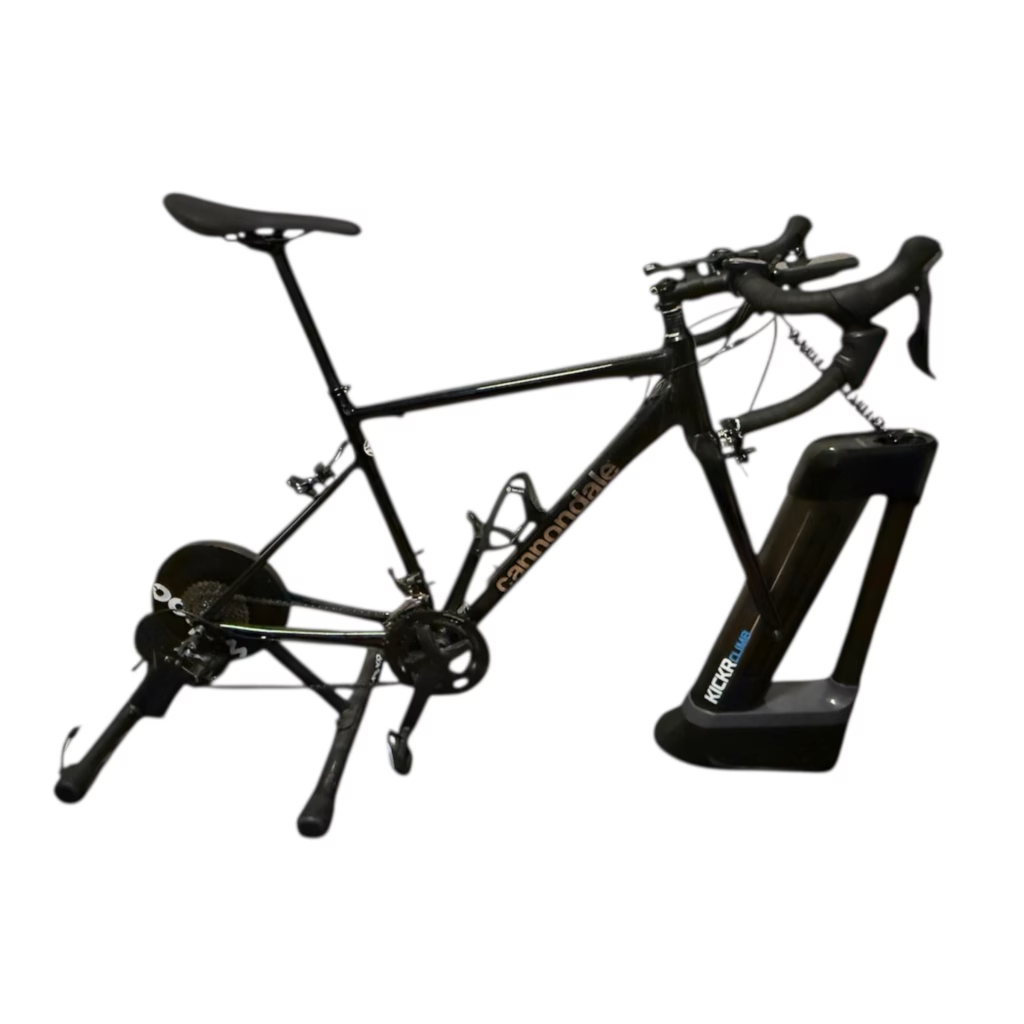
Before training begins, it is worth looking at the Wahoo Kickr Core's technical features. The smart trainer uses an electromagnetic resistance system and impresses with precise power data: a maximum resistance of 1,800 watts and realistic simulation of gradients up to 16% provide ideal conditions for intensive sessions. Measurement accuracy is ±2%, while the 5.4 kg flywheel creates a natural ride feel. Thanks to ANT+, ANT+ FE-C and Bluetooth Smart, the Kickr Core is compatible with all common training platforms and sensors, with very quiet operation. Weighing around 18 kg and with compact dimensions of 50 x 58 x 48 cm, the trainer stands securely without taking up much space in the training room.
The package includes the trainer itself, the appropriate power cable, quick-release adapters for 130/135 mm QR axles and adapters for 12x142 and 12x148 mm thru-axles. However, no cassette is included: one must be purchased separately and fitted to match your drivetrain. Alternatively, the cassette can be transferred from your own bike. Although many users consider this a small disadvantage, it does not diminish the strong overall performance demonstrated by the Wahoo Kickr Core in our test.
Check compatibility
One major advantage of the Wahoo Kickr Core is its versatile compatibility, both with training platforms and with different bicycle types. The smart trainer connects easily to almost all well-known indoor cycling apps, including Zwift, Wahoo SYSTM, TrainerRoad, Rouvy, The Sufferfest, Kinomap and FulGaz. With ANT+ FE-C and Bluetooth Smart support, pairing works smoothly with PCs, tablets, smartphones and GPS bike computers, regardless of whether the operating system is iOS, Android or Windows.
The Kickr Core is also extremely flexible in bicycle compatibility. It suits a wide range of road bikes, gravel bikes and mountain bikes, supporting both 130/135 mm quick-release axles and 12x142 mm and 12x148 mm thru-axles. This makes the trainer compatible with most common frames and axle standards—ideal for anyone regularly switching between bikes or wanting to use their existing fleet.
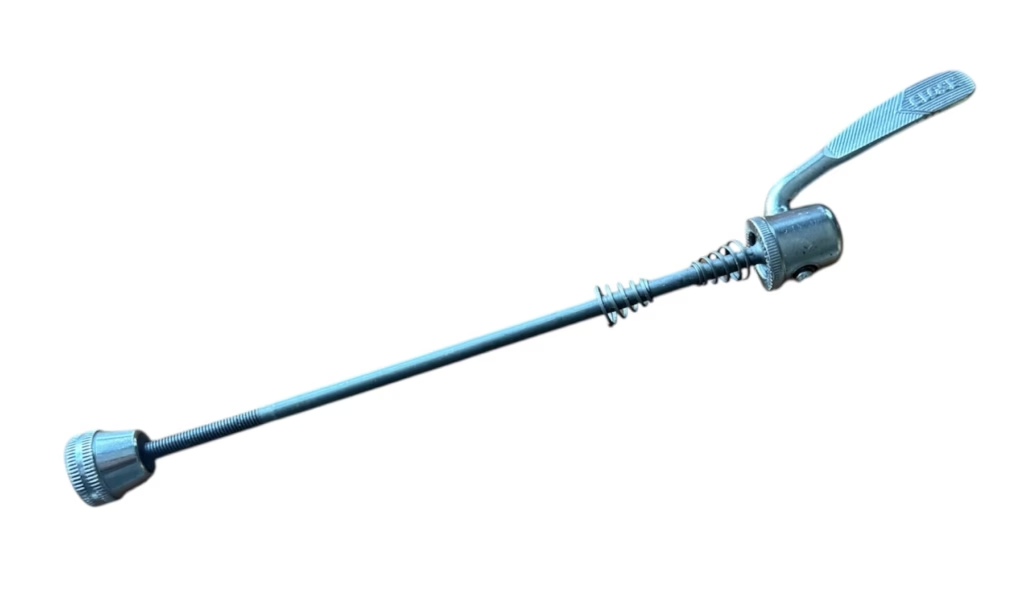
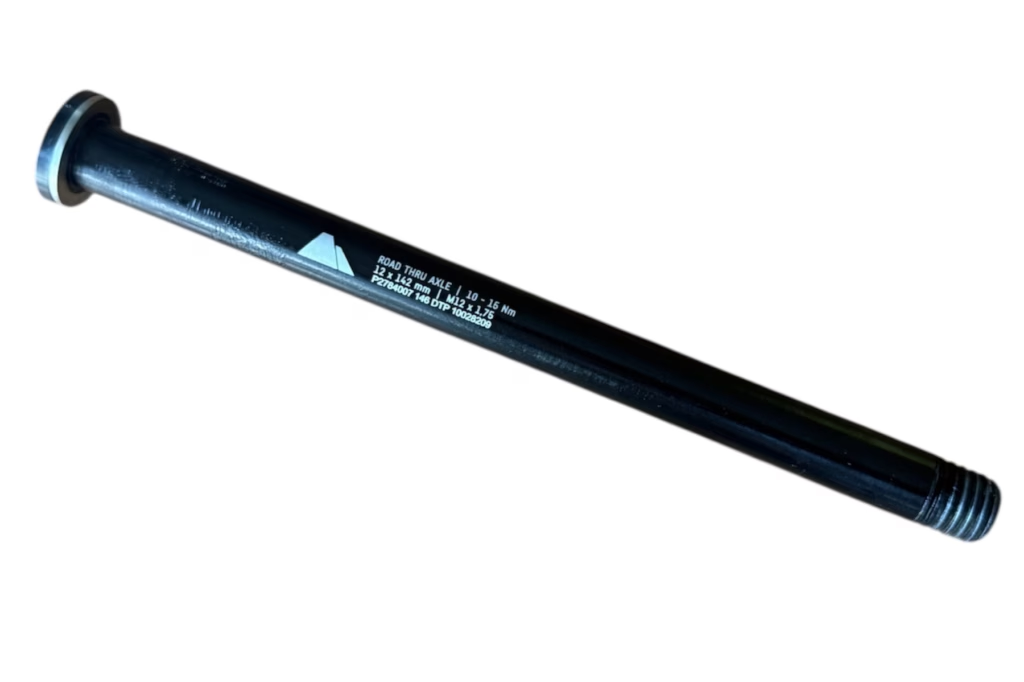
Before choosing the Wahoo Kickr Core, make absolutely sure your bike fits the trainer, particularly regarding axles and drivetrain. Checking the axle type is crucial: modern bicycles generally have a thru-axle, while older or lower-priced models often still use a quick release. Compare your axle with the available images or technical specifications to ensure that the Kickr Core is compatible with your bike.
The drivetrain also plays a central role. The Wahoo Kickr Core is compatible with 8-, 9-, 10-, 11- and 12-speed cassettes. Shimano/SRAM road cassettes fit as standard, while SRAM XD/XDR and Campagnolo can also be fitted with appropriate adapters or suitable cassettes. Check which cassette your bike currently uses so you make the right choice, whether buying a new one or transferring your existing cassette to the trainer. This is essential for smooth, realistic training.

If your bike has an 8-, 9-, 10-, 11- or 12-speed cassette, you can remove it from the bike and use it on the WAHOO KICKR CORE.
Important points before buying
Wahoo Kickr Core vs. Kickr Core 2: why upgrading now is worthwhile
The Wahoo Kickr Core is currently still available on Amazon and remains a reliable trainer for indoor training. Nevertheless, we recommend the new Wahoo Kickr Core 2 because it offers numerous improvements, including built-in Wi-Fi, a faster Race mode, quieter operation and even more precise power measurement. Best of all, the price is almost identical! If you are considering which smart trainer is the better choice, the Wahoo Kickr Core 2 is impossible to overlook.
👉 You can find the full review here: https://rennradguru.com/wahoo-kickr-core-2-review/
Before choosing the Wahoo Kickr Core, consider a few points to avoid surprises later. First, the Kickr Core is a direct-drive trainer, requiring your bike's rear wheel to be removed. You therefore need a compatible bicycle to mount directly on the trainer. Anyone without a suitable bike must budget for the additional cost of one.
Another important point is that no cassette is included. Depending on your rear derailleur, such as Shimano or SRAM, you must obtain a suitable cassette separately and fit it yourself. This distinguishes the Kickr Core from some competing products that come with a cassette already installed.
Many users want to use the Wahoo Kickr Core with Zwift, one of the best-known virtual training platforms. However, Zwift is free only during the trial period and currently costs around €20 per month thereafter. MyWhoosh is an attractive, completely free alternative: it also offers structured training and virtual worlds and is fully compatible with the Kickr Core.
Regarding space and noise, although the Kickr Core is among the quieter models on the market, it should still be placed in a room with a firm floor. A training mat helps dampen vibrations, reduce noise further and protect the floor at the same time.
Setup and getting started
Setting up the Wahoo Kickr Core is pleasingly simple and manageable even for users with limited technical experience. In our test, the trainer was fully assembled and ready to use in around 20 to 30 minutes, including fitting the cassette and bike. First, the feet are attached with a few bolts. Next comes fitting a suitable cassette, which must be purchased separately because it is not included. The trainer is then placed on a level surface, ideally on a training mat. The bike, without its rear wheel, can now be mounted and secured using the appropriate axle type, quick release or thru-axle. Finally, connect the power, and the Wahoo Kickr Core is ready to use.
Physical assembly is followed by smart configuration through the free Wahoo app, available for iOS and Android. The app detects the trainer automatically via Bluetooth. Once connected, it guides you through calibration (spindown), a short process that ensures precise power data. The Kickr Core can also be paired directly with platforms such as Zwift, Wahoo SYSTM or TrainerRoad. Connecting to a bike computer such as the Wahoo ELEMNT ACE also worked smoothly in the test.
The app offers clear guidance and an intuitive design, so even beginners without prior knowledge can get started quickly. In our practical test, connections to different devices, whether smartphone, tablet or laptop, were consistently reliable and stable.
Another advantage is that the Wahoo Kickr Core's firmware can be updated directly through the app. As soon as a new version becomes available, it appears automatically and can be installed with one tap, usually taking only two to three minutes. Regular updates not only improve ride feel or compatibility but also show that Wahoo supports and develops its products over the long term—a clear benefit for users who value longevity and support.
Wahoo Kickr Core ride impressions and performance
However well equipped an indoor trainer may be, what ultimately matters is how realistic the training feels. That is exactly why we examined the Wahoo Kickr Core extensively in everyday training, from relaxed endurance sessions to demanding intervals and virtual mountain rides.
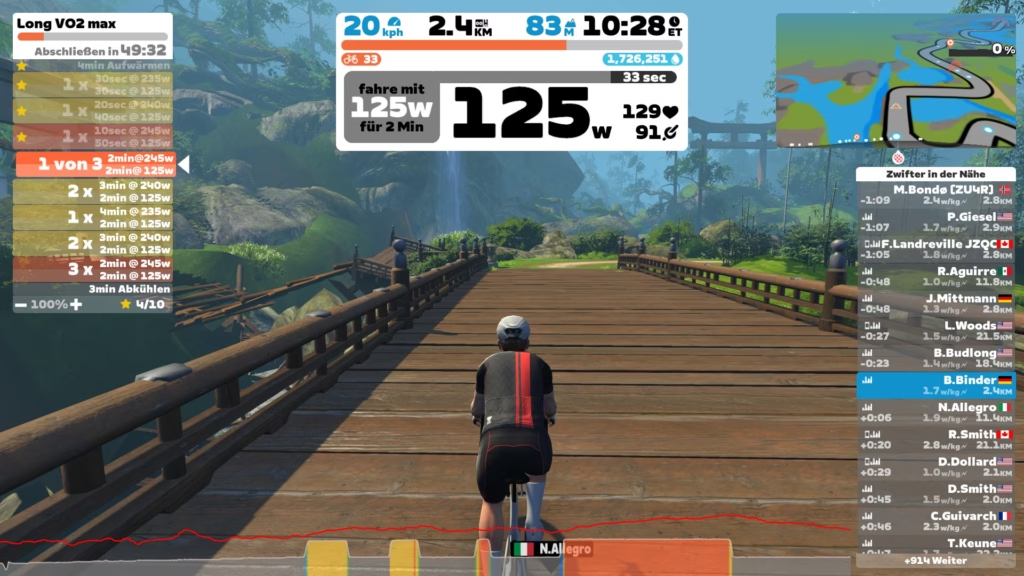
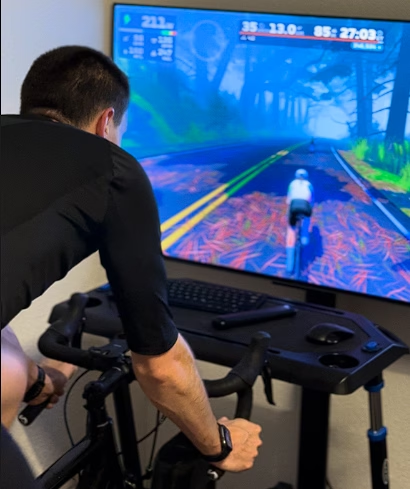
The Kickr Core's ride feel is thoroughly convincing. The 5.4 kg flywheel provides smooth, natural pedalling. Particularly pleasant is the absence of jerky starts or abrupt stops; even when the pace changes, the ride feel stays fluid. This is most noticeable when coasting or riding at low cadence. Combined with platforms such as Zwift or Wahoo SYSTM, the experience becomes genuinely immersive, with gradients, terrain changes and climbs simulated directly and convincingly.
The Kickr Core shows its strengths in responding to changes in power. Sprints, changes of pace and simulated gradients of up to 16% are reproduced promptly and without delay. Even under heavy loads, such as intervals above 800 watts, the trainer remains stable and quiet. This makes it particularly interesting for structured training plans and performance-focused interval training.
Another highlight is the low noise level. In use, the Kickr Core is pleasantly quiet: during normal riding it produces around 50 dB, comparable to a quiet conversation. Even under heavy load, such as a sprint, noise rises only slightly to around 55 to 58 dB. The only sounds come from the bike itself—the chain, cassette and gear changes. The trainer itself works almost silently. With a training mat and a well-maintained chain, the Kickr Core is therefore easy to use in flats, even rented buildings with poor sound insulation.
Connectivity and software integration
A good indoor trainer now needs to do more than generate resistance: digital integration is essential. The Wahoo Kickr Core scores highly here with broad compatibility and reliable connectivity, making it an ideal link between training, technology and the virtual environment.
The Kickr Core connects seamlessly with all common training platforms. Whether Zwift, Wahoo SYSTM, TrainerRoad or Kinomap, the trainer responds precisely to virtual gradients, route profiles and power intervals. The connection proved particularly stable and responsive in Zwift, creating a highly realistic ride feel. Training platforms such as Rouvy, FulGaz and The Sufferfest also worked flawlessly in the test, without dropouts.
The Kickr Core uses both Bluetooth Smart and ANT+, including the FE-C protocol, for connectivity. This lets you pair it with several devices simultaneously, such as Zwift on a tablet and a heart rate monitor or bike computer through ANT+. Setup is intuitive through the Wahoo app and worked reliably with iOS, Android, Windows and macOS in the test.
The Kickr Core was thoroughly convincing in terms of stability. During training sessions lasting several hours, the connection remained constant, with no dropouts or data loss. Even in technology-heavy households with Wi-Fi, smart TVs and other Bluetooth devices, the trainer showed no weaknesses. Power, cadence and speed were always transmitted cleanly and without jumps. Anyone who values a reliable digital training environment will certainly find it with the Wahoo Kickr Core.
Training experience
Everyday use reveals what an indoor trainer can really do, and this is exactly where the Wahoo Kickr Core impresses with realistic simulation, precise power measurement and stable functionality. Across numerous sessions with Zwift, TrainerRoad and Wahoo SYSTM, the trainer clearly demonstrated its strengths.
One of its greatest advantages is the convincing simulation of gradients. The Kickr Core simulates climbs of up to 16%, which is more than sufficient for almost all virtual routes, such as Zwift's “Alpe du Zwift” and “Epic KOM”. Changes in load are smooth, without jerky transitions or delays. Combined with the Wahoo Kickr Climb in particular, the ride feel becomes even more immersive because gradients are also reproduced physically.
The Kickr Core also delivers consistently precise power measurements. With ±2% accuracy, the trainer is ideal for structured training plans. In the test, it responded quickly and without noticeable delay to changes in power, such as during intervals or changes of pace. Whether you train by heart rate, power or cadence, values are displayed consistently and accurately, without lag or outliers.
Whether an endurance ride, interval training or a virtual crossing of the Alps, the Wahoo Kickr Core is a reliable training partner offering a realistic, effective indoor training experience.
The Wahoo Kickr Core offers two main riding modes that can be adapted effectively to different training goals: Erg mode and simulation mode (“free ride”). Both impressed in the test with their functionality and practicality.
In Erg mode, the specified power target is maintained automatically, regardless of how fast or slowly you pedal. This makes the mode ideal for structured training plans such as VO₂max sessions or Sweet Spot workouts. In our tests, the Kickr Core reliably maintained the target wattages. Resistance remained stable even at low cadence, without fluctuations or juddering.
In free ride, the Kickr Core simulates realistic route profiles, including climbs and descents. Riders who enjoy Zwift, FulGaz or Rouvy particularly benefit from the natural ride behaviour: coasting down feels authentic, and climbs require noticeably more active pedalling. This significantly enhances the immersive experience.
Switching between the two modes is incredibly easy, either directly in the training platform, such as Zwift or Wahoo SYSTM, or through the Wahoo app. This lets you adapt your training flexibly at any time, from intensive power-controlled sessions to relaxed exploration of virtual landscapes.


Value for money: hard to beat on price!
The Wahoo Kickr Core currently costs around 450 to 650 euros, depending on the retailer and offer. This places it in the mid-to-upper smart trainer segment, comparable with models such as the Tacx Flux S or Elite Suito, which are slightly more expensive. For around 499 euros, the Kickr Core offers a well-rounded package of precise power measurement, a highly realistic ride feel, quiet operation and seamless integration with various training apps.
Compared with its larger sibling, the Wahoo Kickr V6, which costs well over 1,000 euros, the Core is a significantly cheaper yet still very high-quality alternative. Our experience shows that its slightly higher price compared with other models is justified by its quality, durability and feature set.
Even after several months of intensive use, the very positive impression is confirmed: the trainer runs reliably without technical issues or connection dropouts, shows little wear and benefits from regular firmware updates that continually improve performance. The realistic ride feel in particular makes training enjoyable and motivating, even during the winter break or in bad weather.
Overall, the Wahoo Kickr Core offers excellent value for money and is a clear recommendation for anyone who values quality and a long-lasting training solution.
Conclusion on the Wahoo Kickr Core
The Wahoo Kickr Core leaves a consistently positive impression in our test. It combines a highly realistic ride feel with solid technology and broad compatibility, all at a fair price. This makes it one of the best options for anyone wanting to combine intensive indoor cycling with smart training platforms such as Zwift, TrainerRoad or Wahoo SYSTM.
The Kickr Core is particularly suitable for ambitious recreational cyclists who value precise power readings and realistic gradients, as well as indoor cycling enthusiasts who regularly train with apps. Athletes with limited budgets who still want quality and accuracy will also find it a suitable trainer. Its quiet operation and durable build additionally make it ideal for use in a flat.
Our experience shows that the Kickr Core offers excellent value for money and is a very good choice for most users. Only professionals with the highest demands, or those who need features such as WiFi connectivity, gradients above 16% or higher maximum power, should opt for the premium Wahoo Kickr V6 instead. For everyone else, the Kickr Core is a reliable, precise and long-lasting investment that makes indoor training significantly more enjoyable and effective. Our Wahoo Kickr Core test clearly demonstrated that it is a very well-balanced trainer in the mid-range segment.
Latest Wahoo Kickr Core update: 03.11.2025
WAHOO KICKR CORE - Smart trainer
- Maximum power: up to 1,800 watts of resistance
- Gradient simulation: realistic simulation of gradients up to 16%
- Measurement accuracy: ±2% for precise power data
- Flywheel: 5.4 kg for a natural ride feel
- Drive: belt drive for quiet operation
- Compatibility: supports 8- to 12-speed cassettes (SRAM/Shimano)
- Axle compatibility: 130/135 mm quick release, plus 12x142 mm and 12x148 mm thru-axles
- Connectivity: Bluetooth, ANT+ and ANT+ FE-C for connecting to apps and devices
- Measured data: records speed, distance, power and cadence
- Compatible apps: works with Zwift, TrainerRoad, Wahoo SYSTM and others
- Accessory compatibility: compatible with Wahoo KICKR CLIMB (gradient simulator) and KICKR HEADWIND (smart fan)
The Wahoo KICKR CORE is a precise, powerful smart trainer, ideal for ambitious cyclists who want to take their indoor training to the next level. As a direct successor to the proven KICKR series, it delivers realistic ride feel, quiet operation and extensive compatibility with modern training platforms such as Zwift, Wahoo SYSTM and TrainerRoad. For many riders, it has become an essential road bike accessory for effective indoor training.
A 5.4 kg flywheel creates realistic riding behaviour, precisely simulating the feel of riding on the road. With up to 1,800 watts of resistance and simulated gradients of up to 16 %, the KICKR CORE is equally suited to hard interval sessions and long endurance workouts. Power measurement with a deviation of just ±2 % makes it one of the most accurate trainers in its class, as more than one independent Wahoo Kickr Core review has confirmed.
Straightforward compatibility with different drivetrains and stable Bluetooth and ANT+ connections ensure smooth integration into any setup. The KICKR CORE is also fully compatible with the Wahoo ecosystem, including KICKR CLIMB and KICKR HEADWIND, making it a particularly versatile road bike accessory.
Whether for virtual racing, structured workouts or targeted performance training, the KICKR CORE offers a professional indoor training experience at excellent value for money. Another Wahoo Kickr Core review particularly highlights its consistent performance and ease of use. Numerous Wahoo Kickr Core user experiences also confirm that this smart trainer is among the best for committed indoor cyclists.
- Realistic ride feel
The heavy flywheel simulates a natural rolling feel, similar to riding on the road. - High measurement accuracy
Power measurement accurate to ±2 %, ideal for structured training. - Quiet operation
The belt drive runs quietly, making it ideal for training in a flat. - Good connectivity
Supports Bluetooth, ANT+ and ANT+ FE-C for broad compatibility with apps, computers and bike computers. - Accessory compatibility
Works seamlessly with the Wahoo ecosystem, including KICKR CLIMB and KICKR HEADWIND. - Supports common axle standards
Compatible with quick-release axles and 12x142 mm and 12x148 mm thru-axles. - Software updates through the app
Wireless updates keep the firmware current and add functionality.
- Cassette not included
A suitable cassette must be purchased and fitted separately. - No integrated power calibration
Regular manual spindown calibration is needed for accurate readings. - Two-leg design
Less stable than models with a three-legged base, particularly during harder sprints.
It impresses with quality technology, precise power measurement and an exceptionally realistic ride feel that meets even demanding training needs. Riders who value structured workouts or regularly ride virtual routes in apps such as Zwift or TrainerRoad will find a trainer that responds reliably and precisely.
Its value for money deserves particular attention: the Kickr Core offers many features and solid construction often found only in more expensive models. Although it lacks some professional features, such as gradients above 16 % or WiFi connectivity, it remains exceptionally well equipped for its price. This makes it an ideal choice for ambitious recreational riders and indoor cycling enthusiasts seeking a durable, quiet and accurate smart trainer without paying top-end prices.
Overall, the Wahoo Kickr Core is a versatile, dependable indoor training companion that offers plenty of enjoyment and quality training for beginners and experienced users alike.
FAQ – Common Questions About the Wahoo Kickr Core
1. Are there any problems setting up the Wahoo Kickr Core?
In our Wahoo Kickr Core test, setup was straightforward overall. The main tips are:
- Buy a cassette separately and fit it correctly; a bike shop can help if needed
- Position the trainer on a level floor
- Connect easily using Bluetooth or ANT+ through the Wahoo app or your training platform
- Always install firmware updates to ensure the best performance
Some users report that the initial calibration requires a little patience, but the Wahoo app guides you through the process well.
2. What maintenance and care does the Wahoo Kickr Core need?
The Wahoo Kickr Core needs little maintenance. Our recommendations:
- Wipe the trainer dry after training to remove sweat and dust
- Clean and lubricate the cassette and drivetrain regularly to minimise wear
- Install firmware updates to avoid software problems
- With frequent use, bearings should be checked annually; replacement bearings are available if needed
3. Where can I get spare parts, and how good is support?
- Spare parts such as cassettes, bearings and quick-release skewers are available directly from Wahoo's online shop or authorised retailers
- Wahoo support is regarded as responsive and helpful, with contact by email, phone or chat
- Extensive online resources, tutorials and community forums provide additional help
- The Wahoo app's diagnostic functions can also help in many cases
“Danke fürs Lesen meines Tests zum Wahoo KICKR CORE! 🙌 Ich hoffe, der Beitrag konnte dir bei deiner Entscheidung weiterhelfen. Wenn du Fragen zum Trainer hast oder eigene Erfahrungen teilen möchtest – schreib’s gerne in die Kommentare. Ich antworte so schnell wie möglich! 🚴♂️💬
Viel Spaß und Erfolg beim Indoor-Training!”