

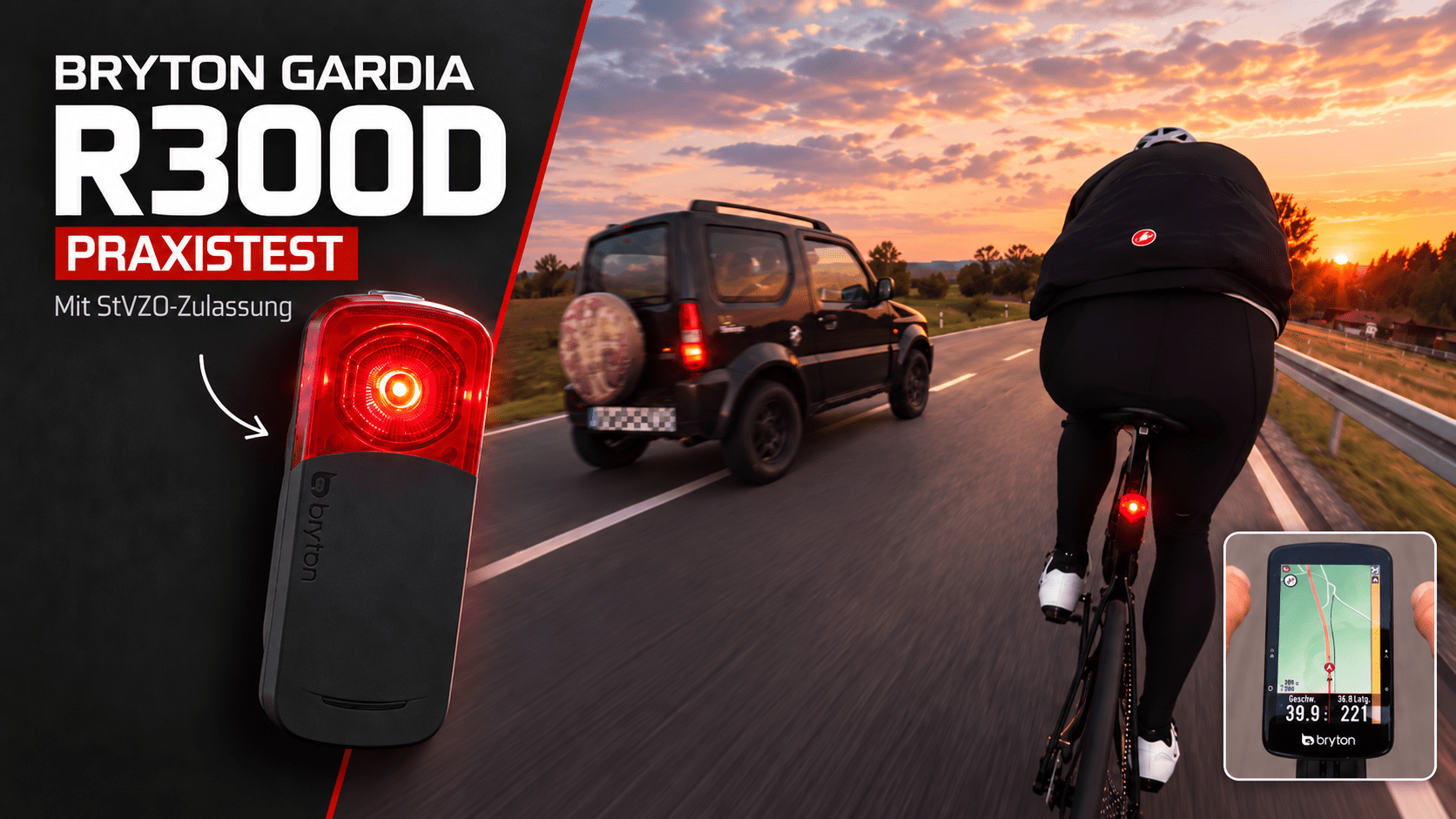
The Bryton Gardia R300D
For me, cycling radar must reliably detect approaching cars and warn in time. In the Bryton Gardia R300D test, it made a good overall impression. It was not entirely fault-free, however: I experienced one false alert during my rides.


Cycling radar with rear light
Bryton Gardia R300D
The main features and my practical test observation:
-
Up to 190 metres of radar range
The R300D detects approaching vehicles from up to 190 metres. A compatible bike computer displays their approach and can sound a warning.
-
Rear light with StVZO approval
The R300D version combines radar with a steady rear light approved for German road traffic. The stated rear light viewing angle is 220 degrees.
-
ANT+, Bluetooth and smartphone app
The radar connects to compatible bike computers. Alternatively, the Bryton Gardia smartphone app is available. Check your device's radar support before buying.
-
USB-C and up to 12 hours with light
Battery life reaches up to 12 hours with steady light, or up to 24 hours in radar-only mode with the light off. Charging uses USB-C.
My practical observation: one false alertI experienced one false alert during testing, so radar operation was not entirely fault-free. For me, that observation belongs in the reliability assessment.
Check price on Amazon*Product details, delivery times and availability are available directly on Amazon.
Other features include compatible bike computer connectivity, use through the Bryton Gardia app and practical USB-C charging. Up to twelve hours of steady-light battery life also equips it for longer rides. My Bryton Gardia R300D review explains how this Garmin alternative performs in everyday road cycling, what I particularly like and whether it is worth buying.
Real-World Test (Video)
How well does the Bryton Gardia R300D work in real traffic? My practical test shows how radar detects approaching vehicles and how warnings appear on the bike computer. This gives a direct impression of how helpful it actually is while riding.
Radar detection in practical testing
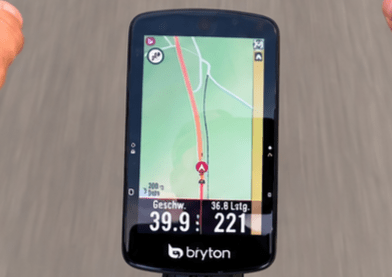
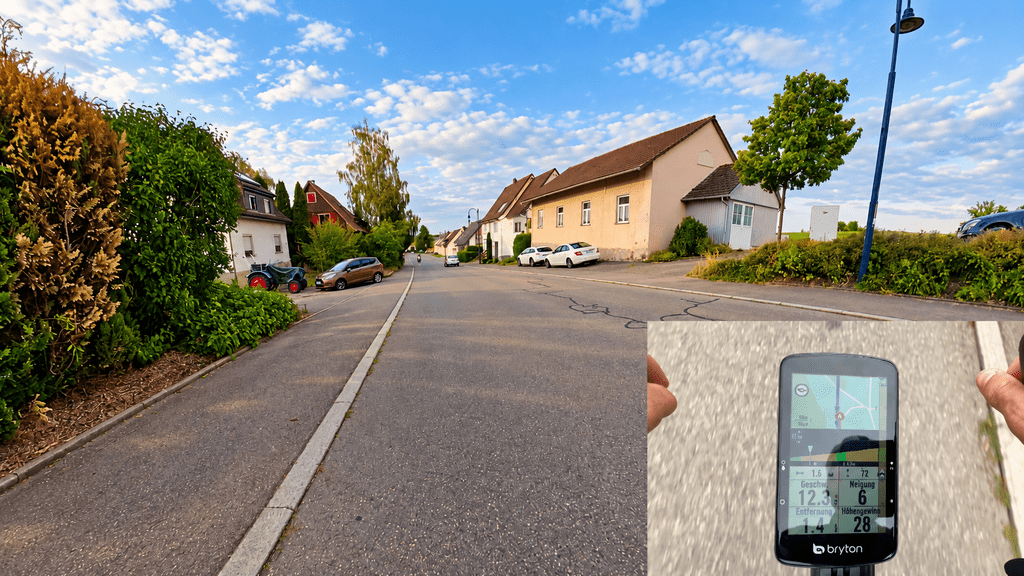
Overall, the Bryton Gardia R300D worked very reliably for me in practical testing. Every vehicle actually approaching was detected, and range impressed too, exceeding my Garmin Varia radar in my test. Once, however, it showed a vehicle when none was visible anywhere. This happened after an extended period without traffic and felt like a brief glitch. Unfortunately, no camera was running at that moment, so I could not capture it on video. Motorcycle detection also positively surprised me: motorcycles were detected early and reliably, as shown in the following image.
Mounting and setup
Mounting and setting up the Bryton Gardia R300D was straightforward in my test. The radar attached quickly to the bike and paired just as quickly with the computers used. Connections to the Bryton Rider S810, Wahoo ELEMNT BOLT 2 and Garmin Edge 850 all worked without difficulty.
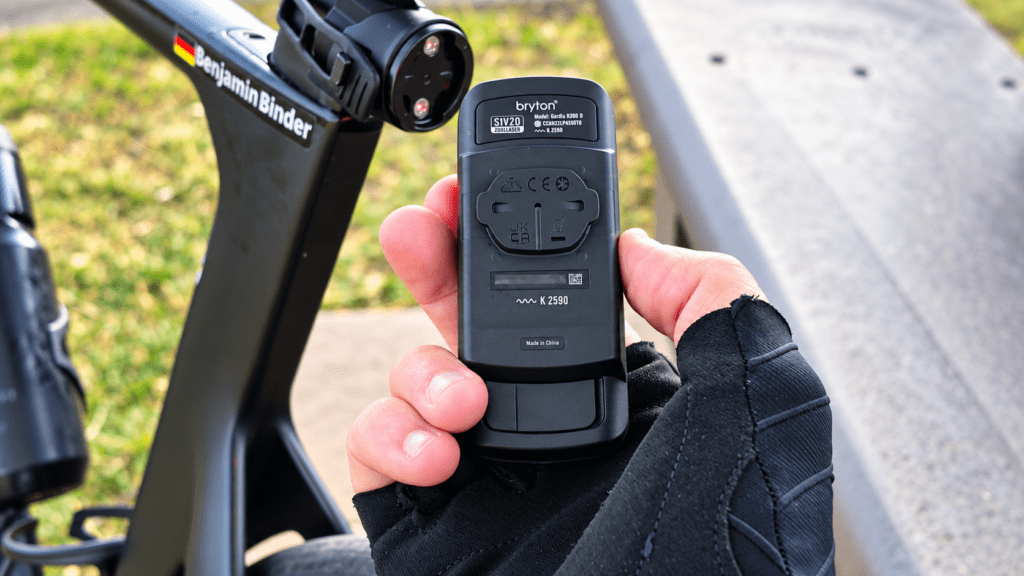
Compatibility with the widely used Garmin mounting system is another clear advantage for me. It allows the Gardia R300D to attach easily to many existing mounts, making installation more flexible, especially across multiple bikes or existing Garmin accessories. After pairing, radar was recognised immediately and vehicle warnings appeared on the relevant display. Setup therefore takes only a few minutes overall.
Strengths & weaknesses
-
Reliable vehicle detection
Every genuinely approaching car was detected reliably in practical testing. -
Very good radar range
Range impressed me and even exceeded my Garmin Varia radar in my test. -
Reliable motorcycle detection too
Approaching motorcycles as well as cars were detected early and reliably. -
Trouble-free pairing
Connections to the Bryton Rider S810, Wahoo ELEMNT BOLT 2 and Garmin Edge 850 worked without difficulty in my test. -
Garmin mount compatible
The Gardia R300D supports the widespread Garmin mounting system, a clear advantage for me. -
Radar and rear light in one device
The R300D combines vehicle detection with a StVZO-compliant rear light.
-
One false alert in practical testing
A vehicle appeared once when none was visible anywhere. -
Bike computer or smartphone required
A compatible bike computer or Bryton Gardia app is needed to display detected vehicles.
Rear light and battery
The Bryton Gardia R300D combines radar with a StVZO-compliant rear light. In the German version, light output is legally limited to 5 lumens. That initially sounds low but is sufficient for its rear light function and makes you clearly visible from behind.
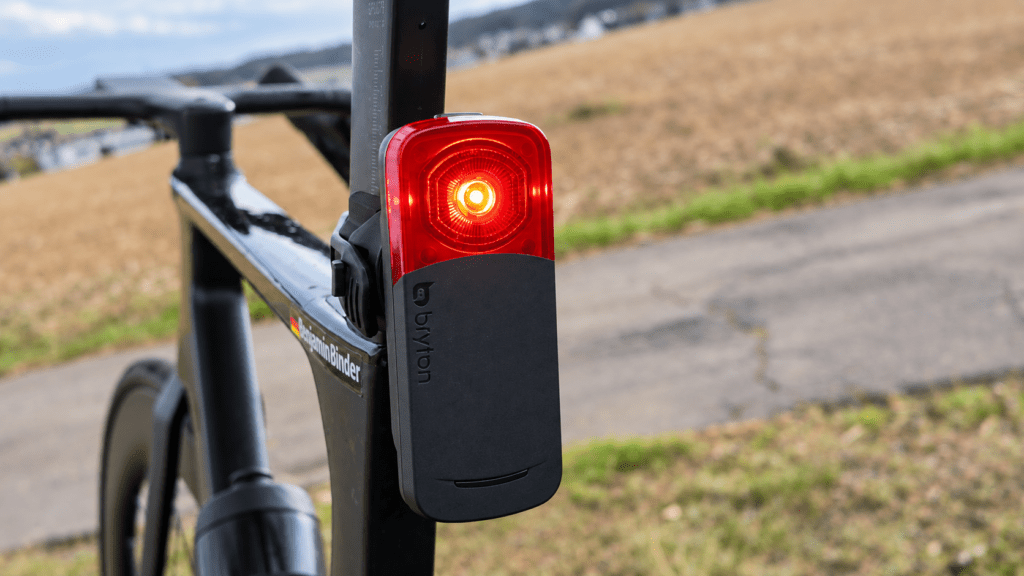
In practice, I would expect around 10 hours with the rear light on. A charge therefore covers longer training rides and usually several shorter outings. The Gardia charges through USB-C.
Bike computer and app
The Bryton Gardia app is clearly laid out and easy to use. The rear light can be switched on or off directly through it. Vibration warnings can also be enabled in settings, theoretically avoiding the need to keep watching a smartphone or bike computer.
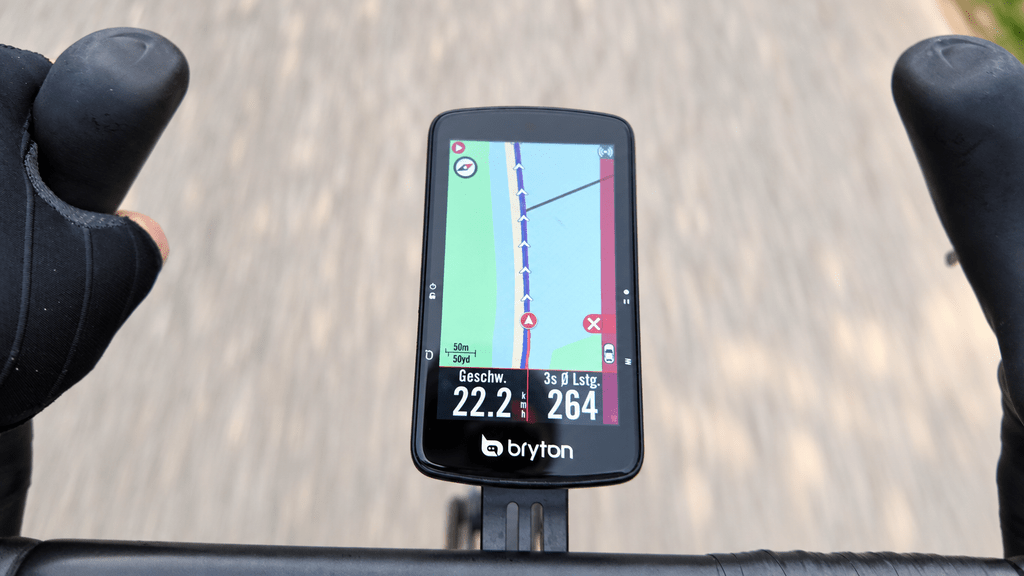
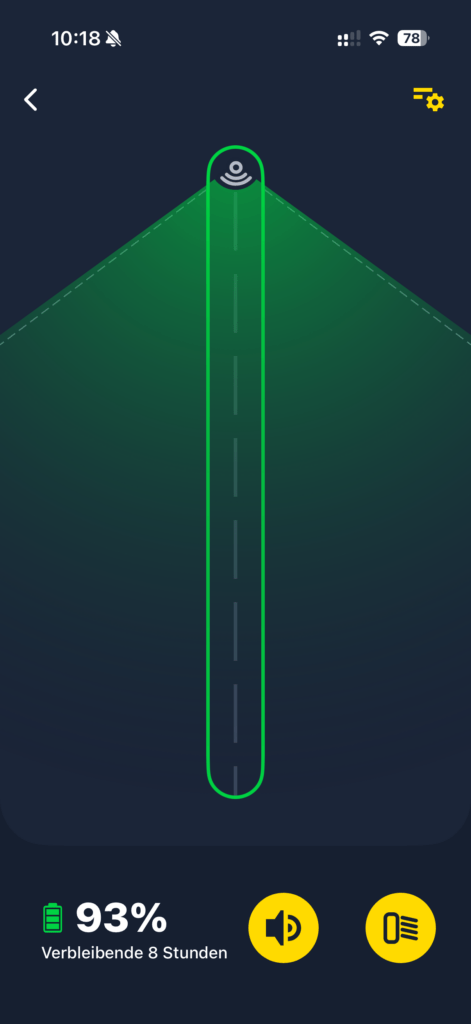
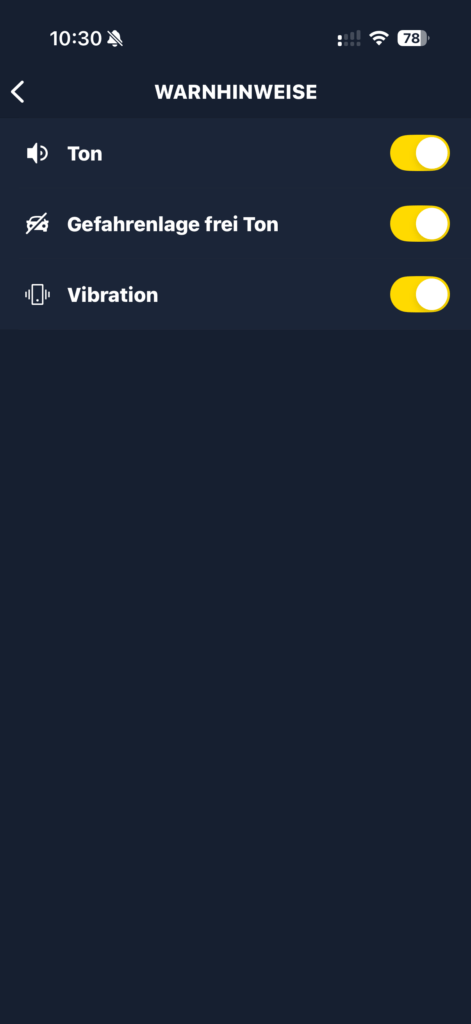
With a compatible computer, approaching vehicles are additionally announced visually on the display and audibly with a beep. This worked very well with the Bryton Rider S810 in my test. Warnings were clear and integrated usefully into the display while riding.
Weight
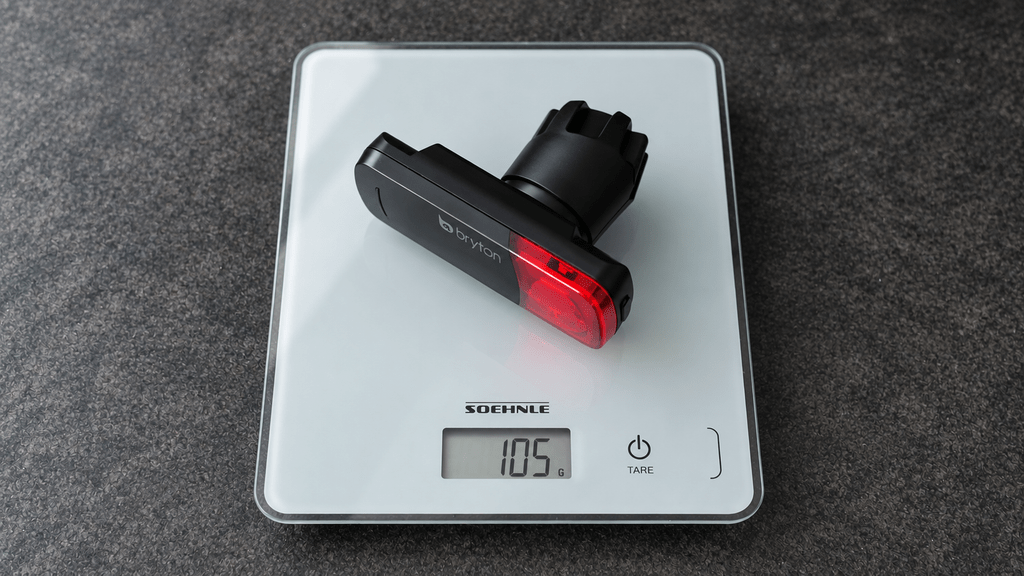
At 105 grams including mount, the Bryton Gardia R300D is pleasingly light. Its additional weight is barely noticeable on a road bike, while the device feels stable and well made. For me, this is a good compromise between low weight, radar technology and an integrated rear light.
Conclusion: who is the Bryton Gardia R300D worthwhile for?
The Bryton Gardia R300D particularly impressed me in practical testing with reliable vehicle detection and long range. Every genuinely approaching vehicle was detected, and computer warnings were easily noticed while riding. I also like its straightforward pairing with different computers and compatibility with the widespread Garmin mounting system.
The radar was not entirely fault-free in my test, however: once it showed a vehicle when none was visible. I consider this a minor limitation rather than a fundamental issue, particularly since detection otherwise worked reliably.
The Gardia R300D is particularly interesting for road cyclists, touring riders and commuters frequently sharing roads with cars who want early warnings of approaching vehicles. Those already using a compatible computer get a practical radar and rear light combination that can provide real everyday value.
0 Comments