

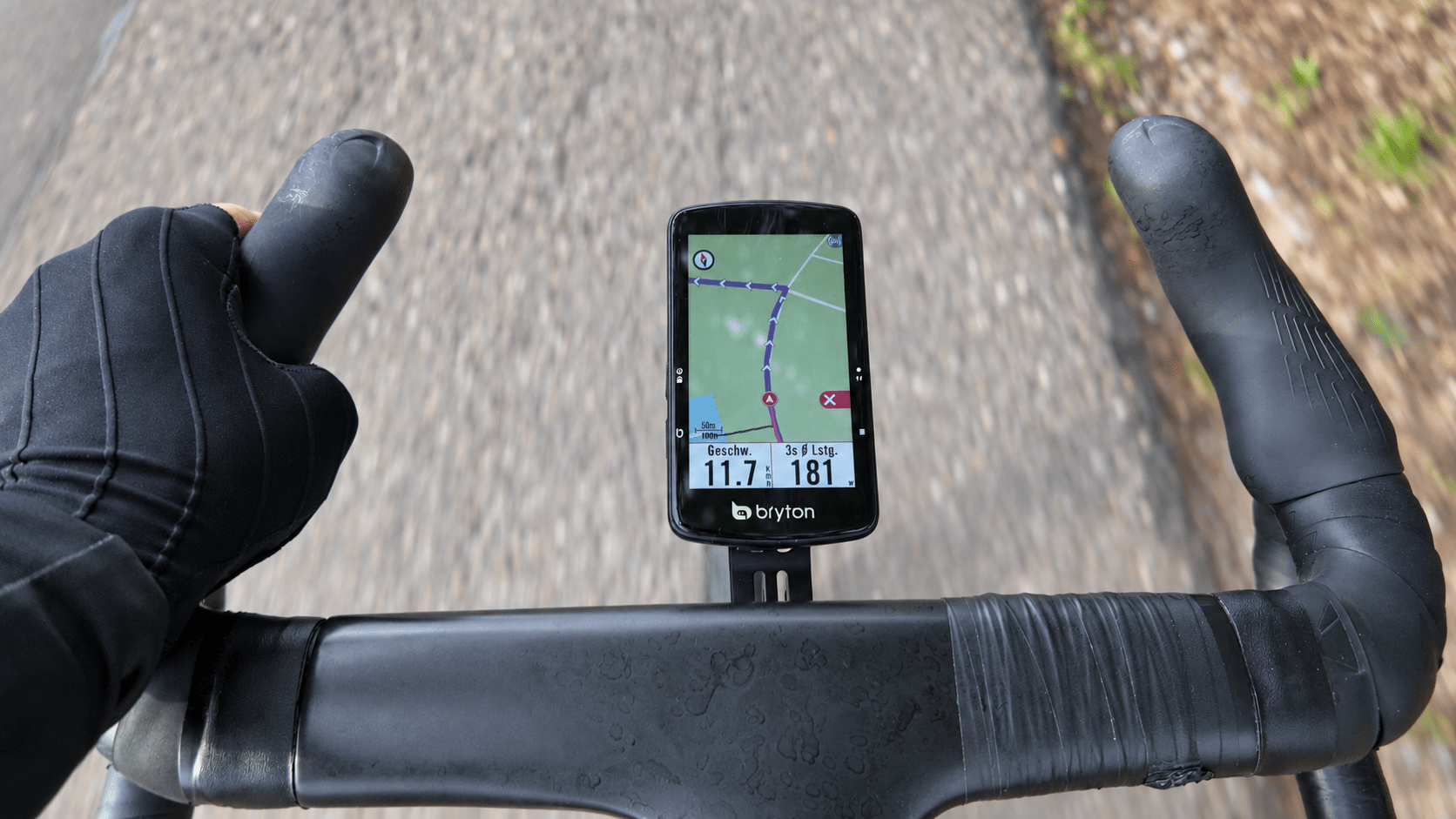
The Bryton Rider S810
For me, a bike computer must impress above all while riding: the display should be readable, maps should provide orientation and controls should work without irritating delays. These are exactly the areas where the Bryton Rider S810 made a good impression in my test.
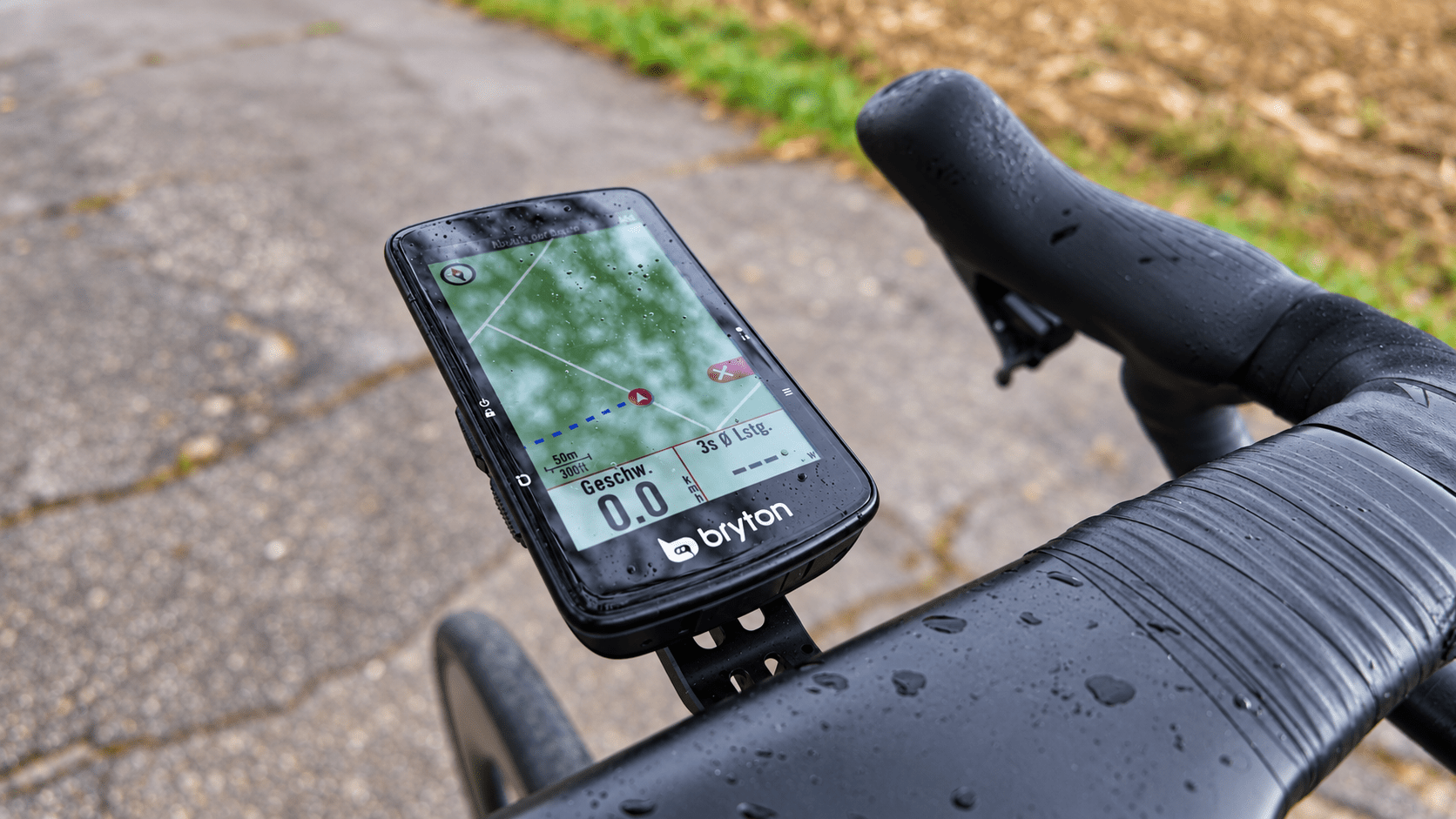
GPS Bike Computer
Bryton Rider S810
My practical test experience:
-
Readable display and maps
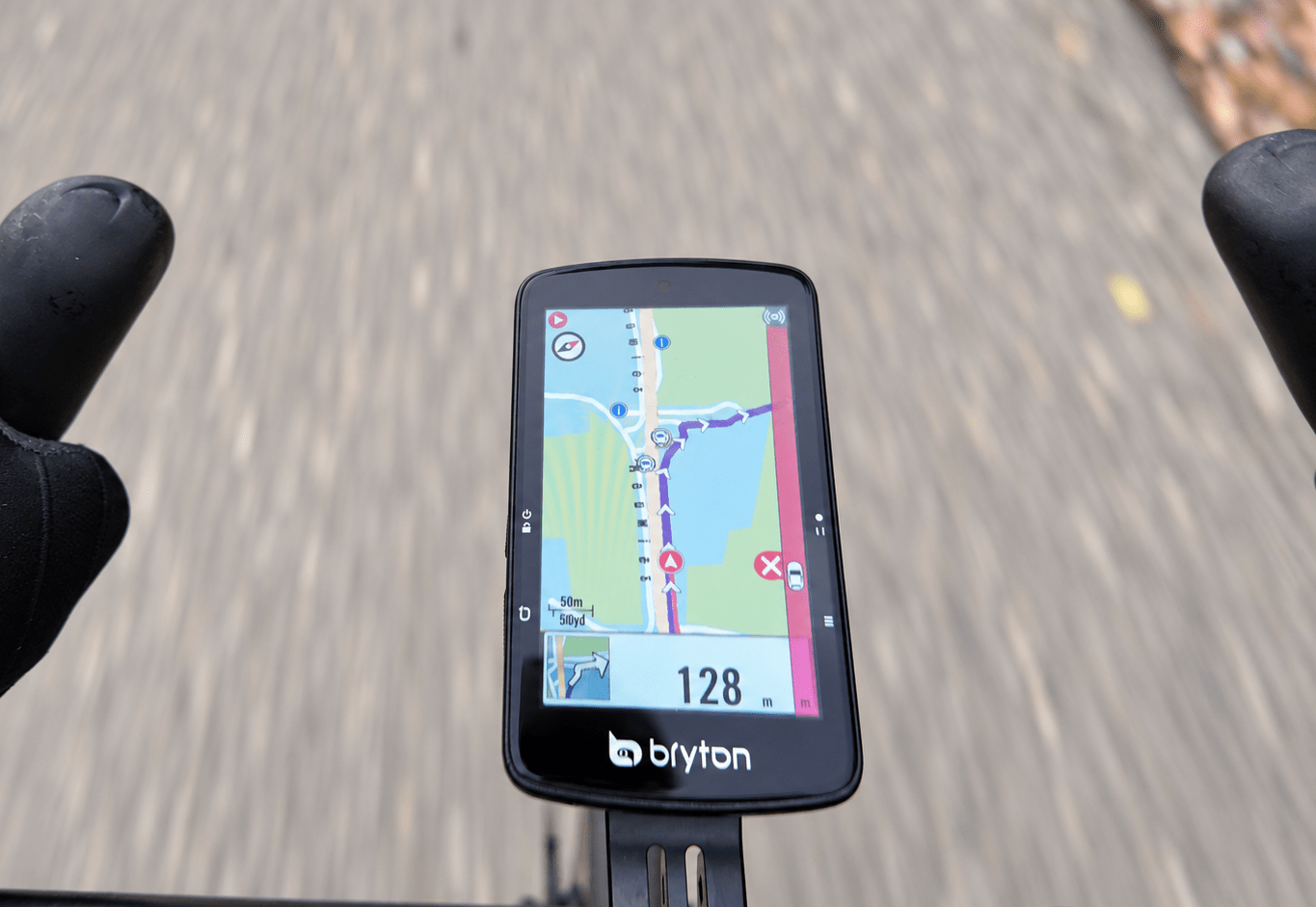
I find the display slightly easier to read than the new Wahoo models. Visually, I prefer the Karoo 3 and Garmin Edge 850 displays. Maps are clear and operation is smooth.
-
Sensors paired easily
My Garmin Rally pedals, Bryton radar, iGPSPORT SR mini and Garmin Varia RCT715 all connected without difficulty.
-
Attractively presented workouts
I particularly like the clear graphical presentation of training sessions.
-
Impressive battery life
My short battery measurement extrapolates to around 46 hours and 40 minutes of runtime at constant consumption.
Before buying: only two additional data fields are available on the map page. There is no speaker for voice guidance. The map and menu design sometimes feels outdated to me.
Check price on Amazon*Product details, delivery times and availability are available directly on Amazon.
It also offers straightforward sensor connections, attractively presented workouts and well-functioning Strava Live Segments. There are minor limitations, however: only two extra data fields are available on the map page, and there is no speaker for spoken navigation instructions. My Bryton S810 review explains what I like, where I would welcome improvements and which riders this GPS bike computer suits.
Bryton Rider S810: key points at a glance
-
Readable display
Easy to take in during testing and slightly more readable than the new Wahoo models for me. -
Clear maps
The map display is uncluttered and very readable. -
Smooth operation
The computer runs smoothly and feels responsive to use. -
Trouble-free sensor pairing
Garmin Rally, my Bryton radar, iGPSPORT SR mini, Garmin Varia RCT715 and others connected easily. -
Good workout presentation
I particularly like the graphically presented sessions. -
Impressive battery life
My extrapolation gives around 46 hours and 40 minutes, a real highlight for me. -
Garmin adapter included
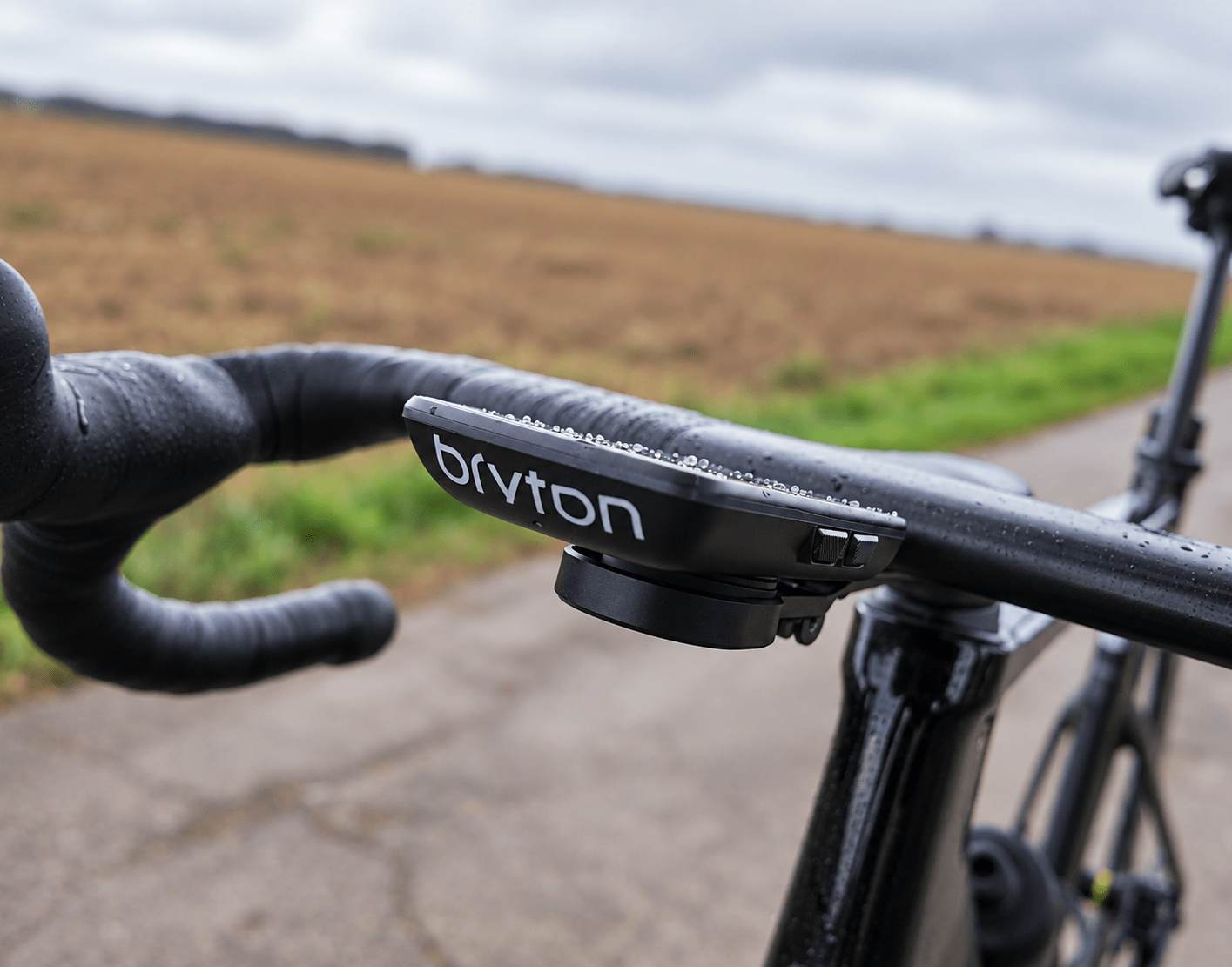
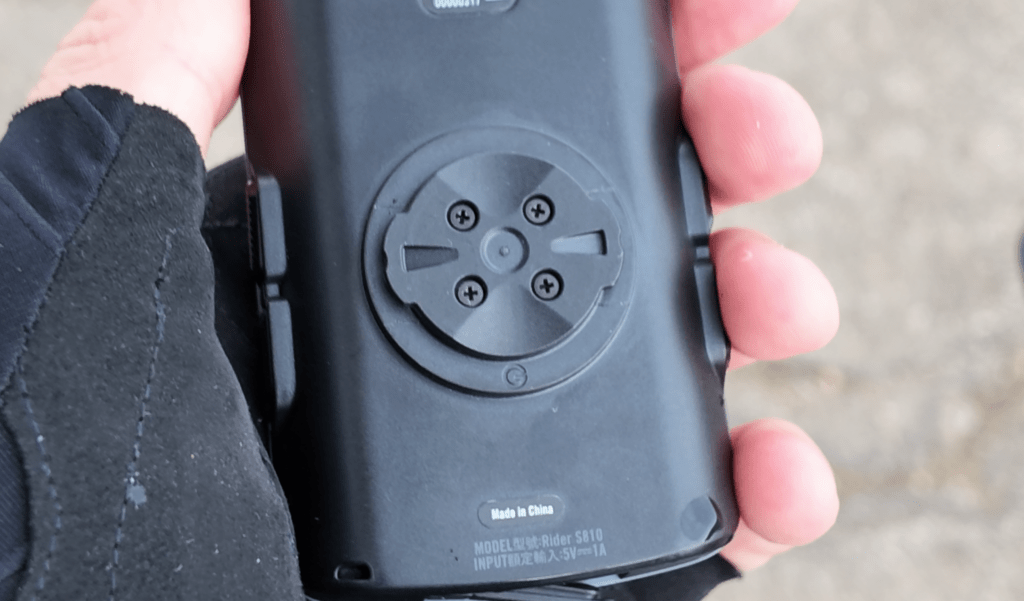
The included adapter allows the S810 to fit Garmin mounts. Its mounting insert is replaced using four small screws.
-
Only two map-page data fields
Viewing several performance metrics alongside the map requires switching to additional data pages. -
No speaker for voice guidance
Spoken navigation instructions directly from the device are absent. -
Sometimes outdated appearance
The map and menu design sometimes looks outdated to me.
Display and readability in the Bryton S810 test
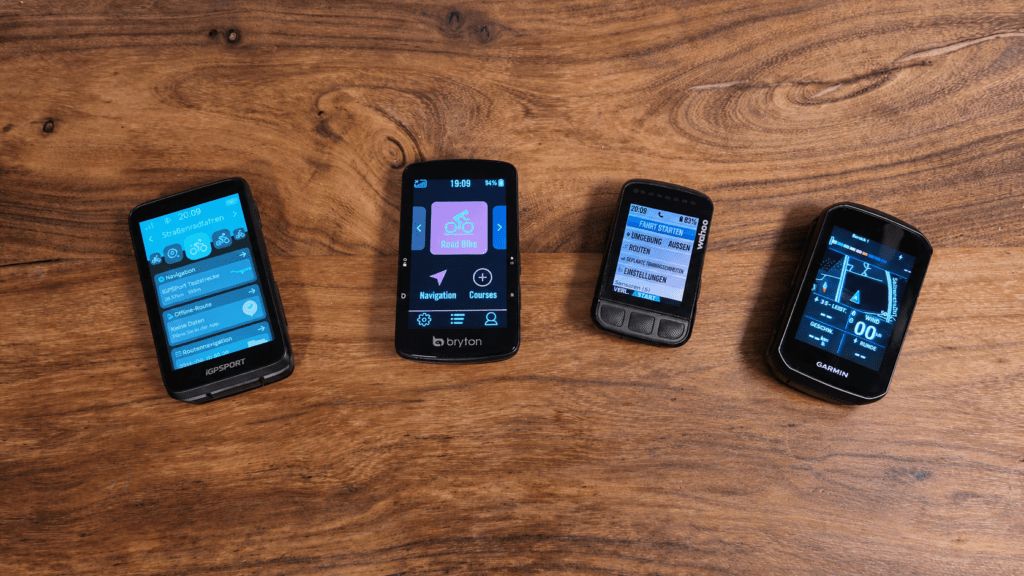
The Bryton Rider S810 display is easy to read and pleased me overall in the test. However, I would not call it the most attractive bike computer display. I personally prefer the Hammerhead Karoo 3 and Garmin Edge 850, although both are considerably more expensive. Their transmissive displays also require more energy, noticeably affecting battery life.
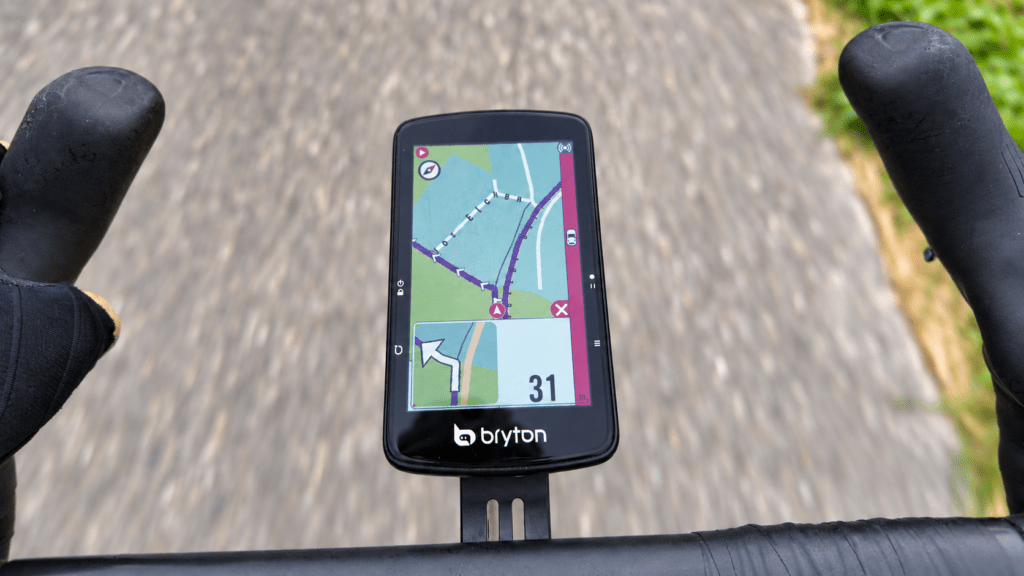
I generally prefer transmissive displays because I find their presentation significantly richer in contrast and brilliance. This personal preference naturally influences my S810 assessment too.
That made Bryton's display a particularly positive surprise: for a transflective display, I find readability very good. At first glance, I would not even have recognised it as transflective. It looks clear, and the particularly uncluttered maps are quick to absorb.
Although the map design sometimes looks outdated, it remains tidy and understandable. Roads, routes and instructions are clearly distinguishable. The S810 therefore makes a positive impression in readability, even though the Karoo 3 and Edge 850 lead in visual display quality for me.
Clear maps, but only two data fields
As much as I like the map display, I would welcome more freedom in additional information. I can display only two data fields on the map page.
Anyone wanting speed and distance there may manage well. With a power meter, however, other needs quickly arise: two fields cannot simultaneously hold power, heart rate, speed and cadence beside the map.
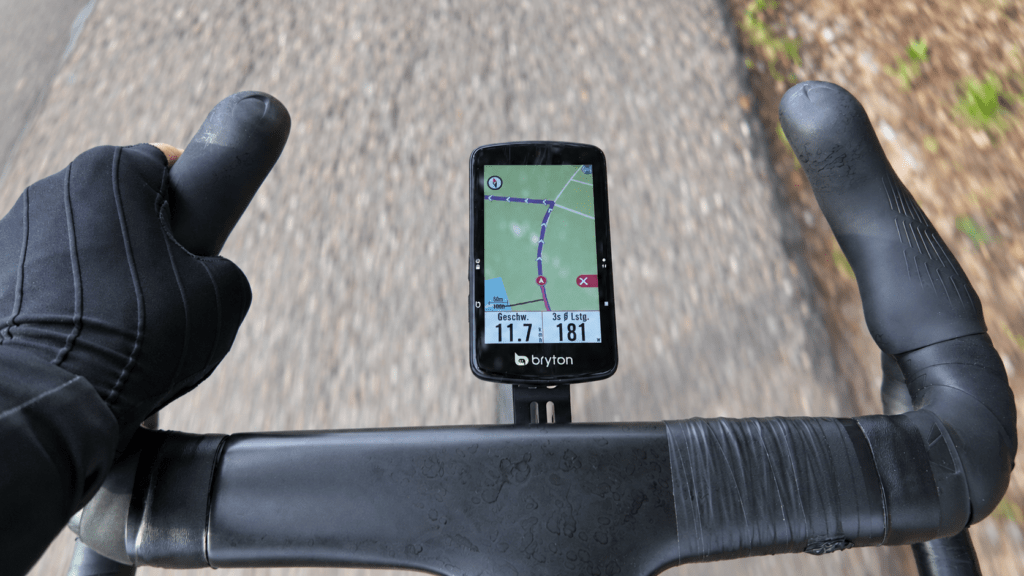
Additional values therefore require changing pages. Smooth controls make this pleasant enough, but I would still prefer a more flexible layout.
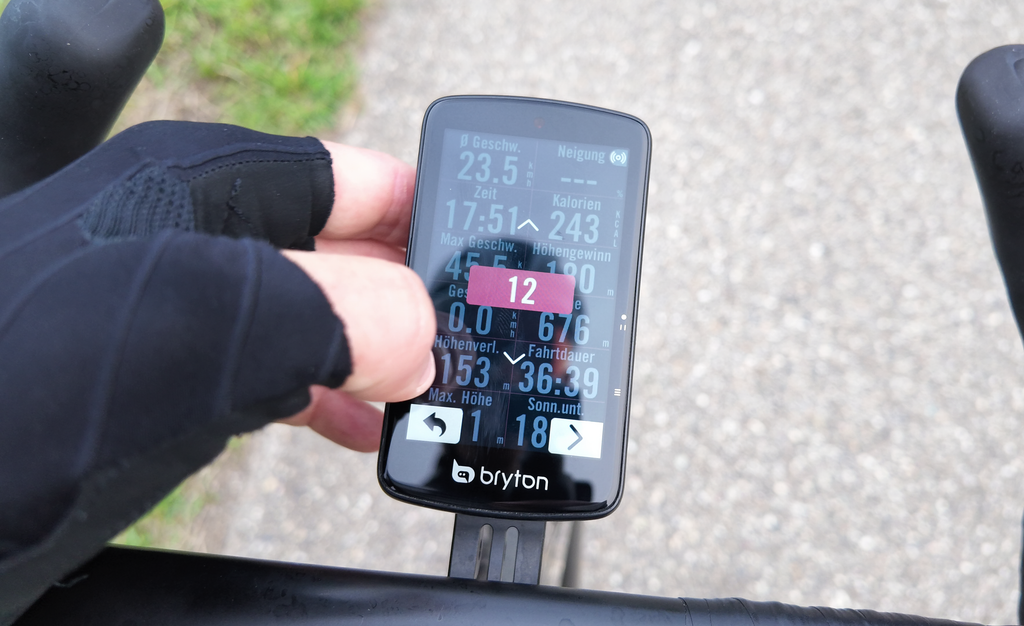
This limitation specifically affects the map view. On normal data pages, the S810 supports more extensive layouts and up to 12 fields.
My second criticism is the lack of a speaker for voice guidance. Spoken instructions such as “Turn right in 200 metres” are not played directly by the Bryton S810. This would be useful particularly at confusing junctions or several closely spaced turns, reducing the need to look at the display.
This does not mean the device makes no sounds: the S810 provides audible signals for radar warnings or turns, for example. These draw attention to an upcoming situation, but specific directions still require looking at the map or turn instruction.
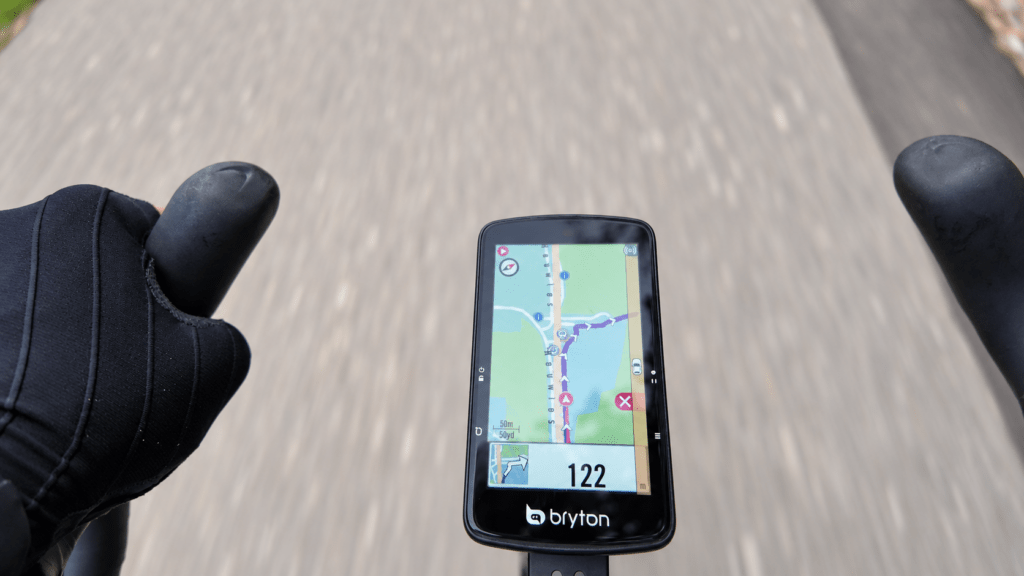
Relatively quick recalculation after leaving a route impressed me. When I deviated from the planned route, an alternative was usually available promptly. However, the suggested route did not always suit me in the test: some alternatives would have taken me over gravel. Anyone wanting to stay on tarmac should examine the calculation carefully. The device's quick response is helpful, but its choice of roads did not always match my preferences.
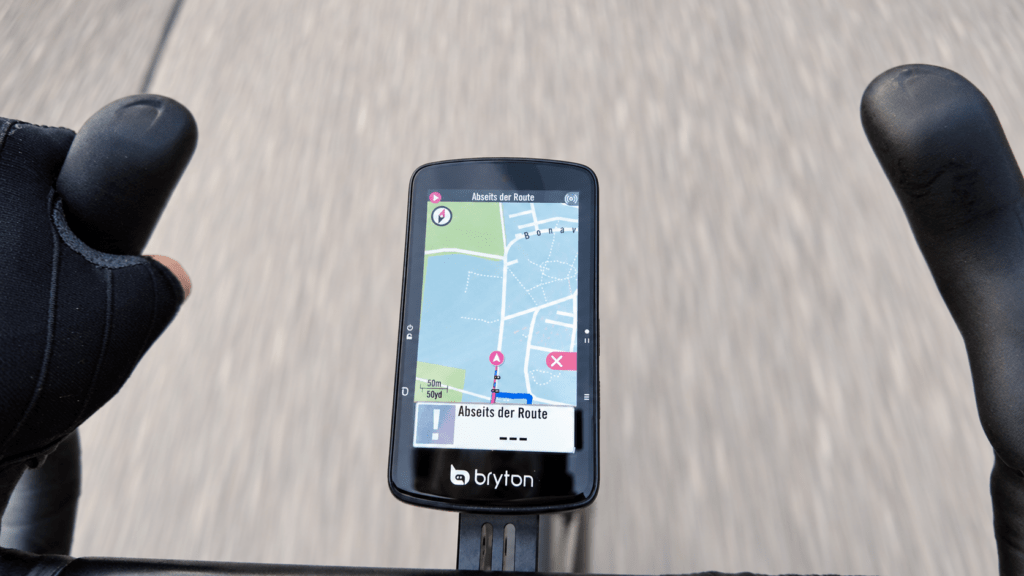
I really liked entering a navigation destination by voice. This avoids manual device entry and is particularly useful for spontaneously choosing a new destination while out riding. Recognition was not always reliable while moving in the test, however. Wind noise particularly affected it. Once I stopped, my speech was recognised well and the destination entered correctly. I therefore found it very successful for entering destinations during a brief stop.
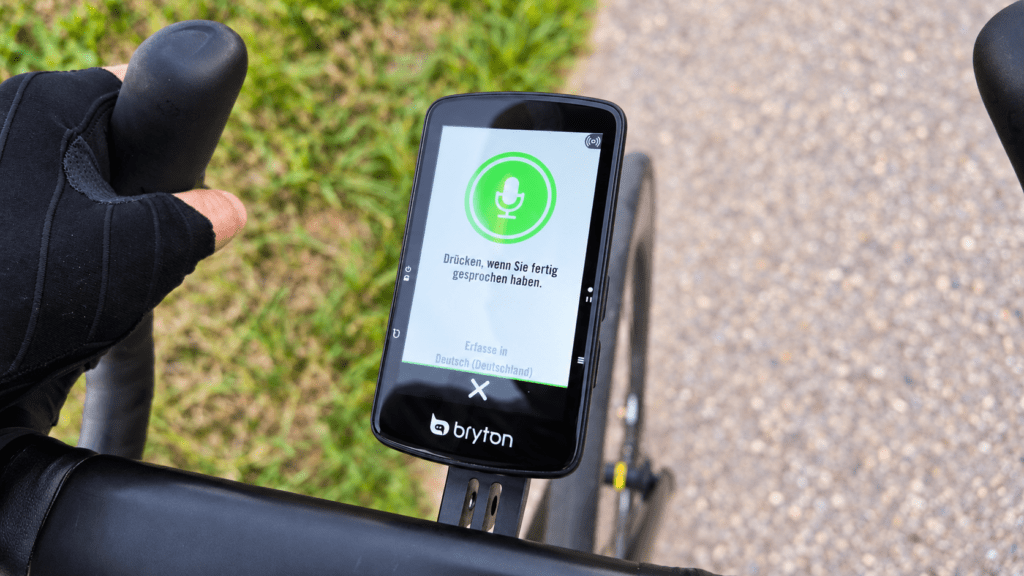
Voice input makes operation easier, but the lack of spoken turn instructions remains a convenience disadvantage for me. Anyone mainly following navigation on the map will probably give this less weight.
Controls: the Bryton S810 runs pleasantly smoothly
The speed of operation made a positive impression. The computer runs smoothly and the interface feels pleasantly immediate.
This may sound unspectacular, but matters in everyday use. When switching between maps, workout views and ride data, I want to find my way with minimal effort. Readability combined with smooth operation is therefore among the reasons I enjoy using the S810 in practice.
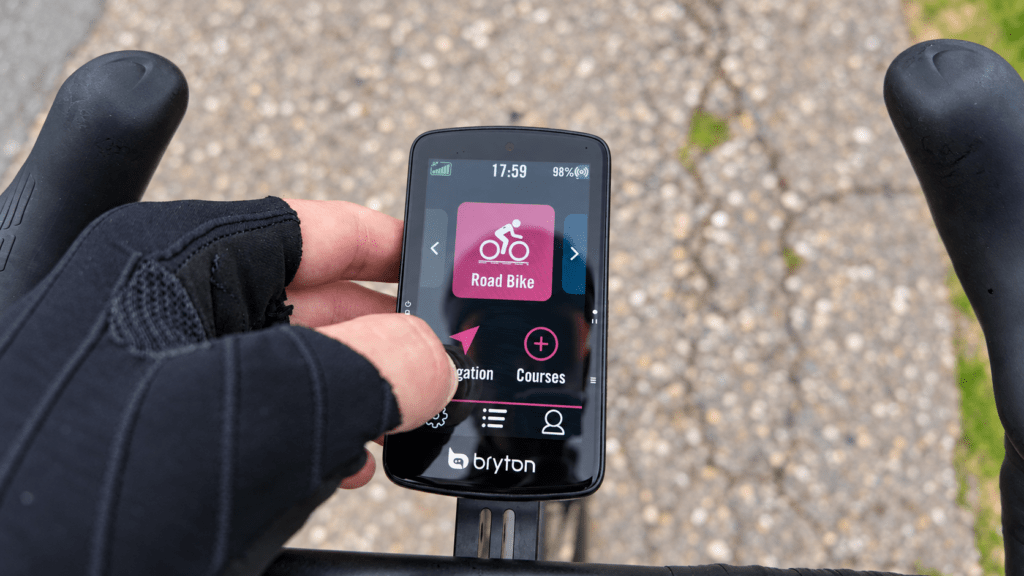
Connecting sensors: Garmin Rally and multiple radar systems tested
The Bryton S810 met my expectations for sensor connectivity. All devices I tried paired without difficulty.
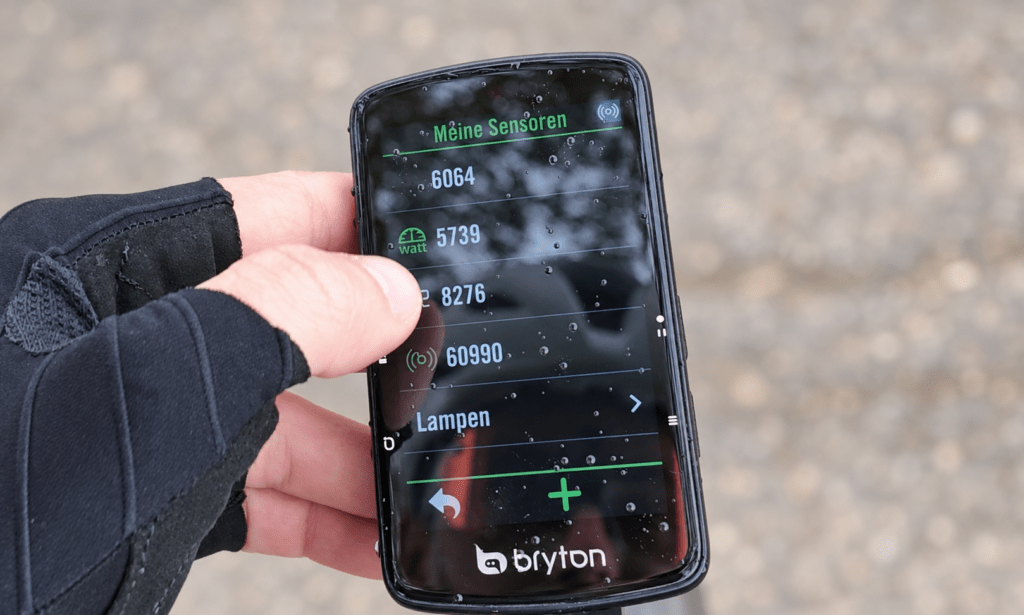
I particularly appreciate that pairing with other manufacturers' devices was straightforward too. Anyone already owning power meter pedals or compatible radar naturally checks this closely when choosing a new computer. My pairing experience with the named devices was consistently positive, a concrete advantage in this GPS bike computer test.
Workouts: I really like the graphical presentation
The workout view is another feature I particularly like on the Bryton S810. Workouts are attractively and clearly presented graphically.
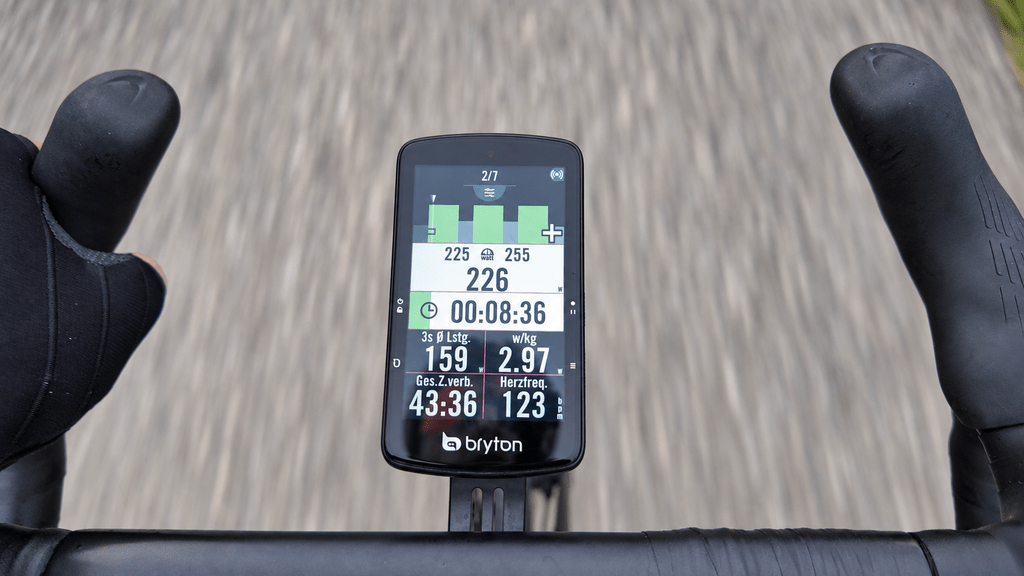
Clear presentation is especially useful in structured sessions. I want to understand a workout's structure quickly and see how its sections fit together. I really like Bryton's approach here.
Features also include creating or importing plans through Bryton Active and TrainingPeaks integration.
Anyone regularly using a computer for planned sessions should therefore examine the S810 workout view closely.
Strava Live Segments: worked well in the test
Strava Live Segments also worked well for me. For riders who enjoy comparing themselves with previous performances, this adds interest beyond the normal training view. Setup involves connecting accounts and transferring selected segments to the device through Bryton Active. A paid Strava subscription is required.

A small disadvantage of Strava Live Segments on the Bryton Rider S810 is the limit of 50 segments, selected beforehand through Strava or the Bryton Active app and synchronised to the device. Anyone with many saved segments or frequently riding in different regions must occasionally adjust the selection. During riding, implementation is very good: the S810 announces an upcoming segment, then displays information including remaining distance and the lead or deficit against the selected comparison. Customisable fields on the Strava Live Segment page are practical too, allowing speed, heart rate, power or other chosen ride data to appear directly during the attempt.
Bryton S810 battery life: up to 50 hours claimed
Bryton states battery life for the Rider S810 of up to 50 hours. Actual endurance depends on factors such as backlighting and use. The 50 hours are a manufacturer claim.
My own measurement provides an initial guide: at 18:00, battery level was 100 percent; at 19:52, it was 96 percent. Over 1 hour and 52 minutes, the display therefore fell four percentage points. At constant consumption, this gives a theoretical overall runtime of 46 hours and 40 minutes. A power meter, heart rate sensor, radar and my DI2 were connected, with display brightness always at 100%.
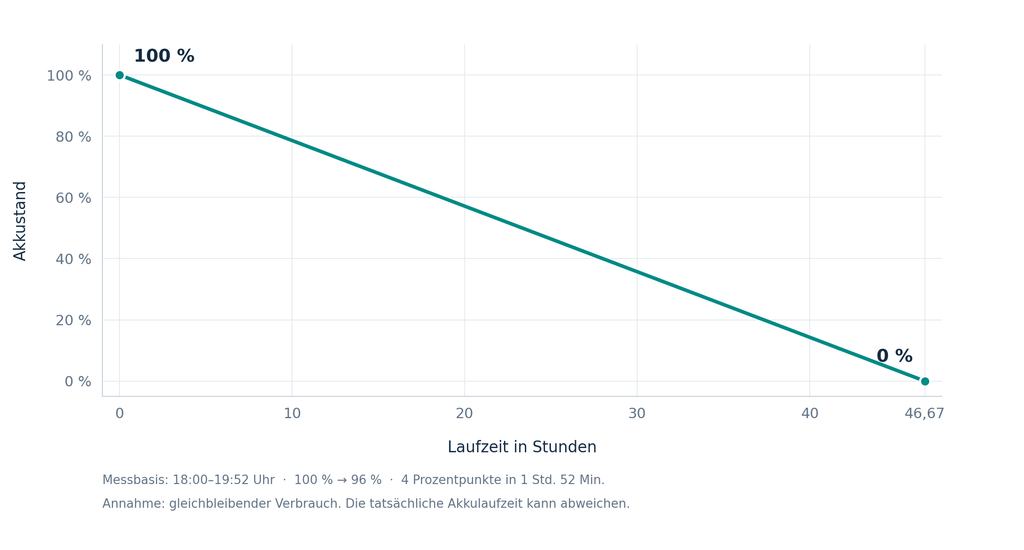
Mathematically, this is close to the manufacturer's figure. However, 46 hours and 40 minutes is an extrapolation from a short measurement period, not a fully measured battery runtime. Actual consumption can change during use.
Climb Challenge 2.0: extra support uphill
Another feature is Climb Challenge 2.0. According to Bryton, the S810 can provide upcoming climb information without a previously loaded route by trying to predict which route you will take. This also worked very well in testing, with all climbs detected.
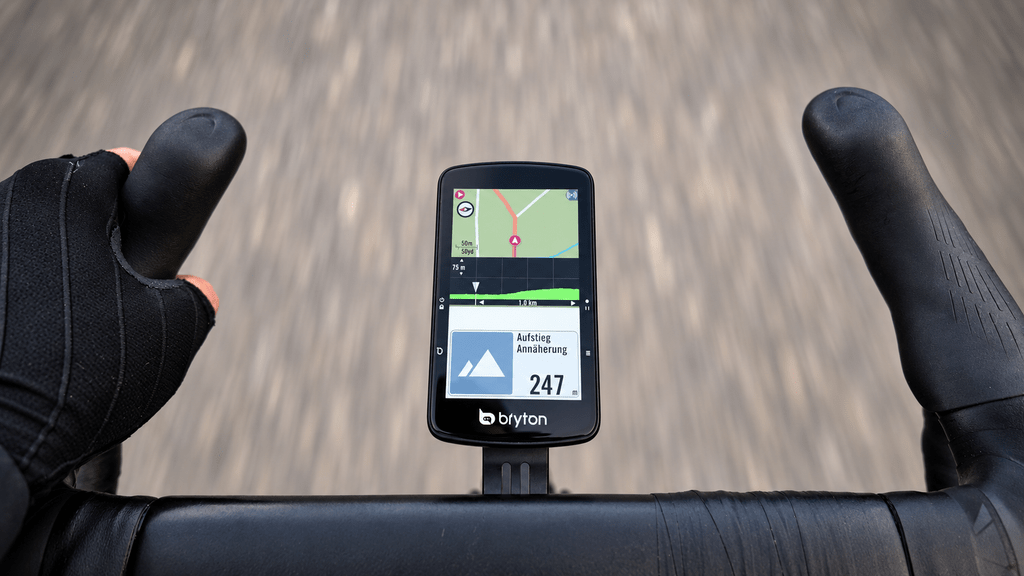
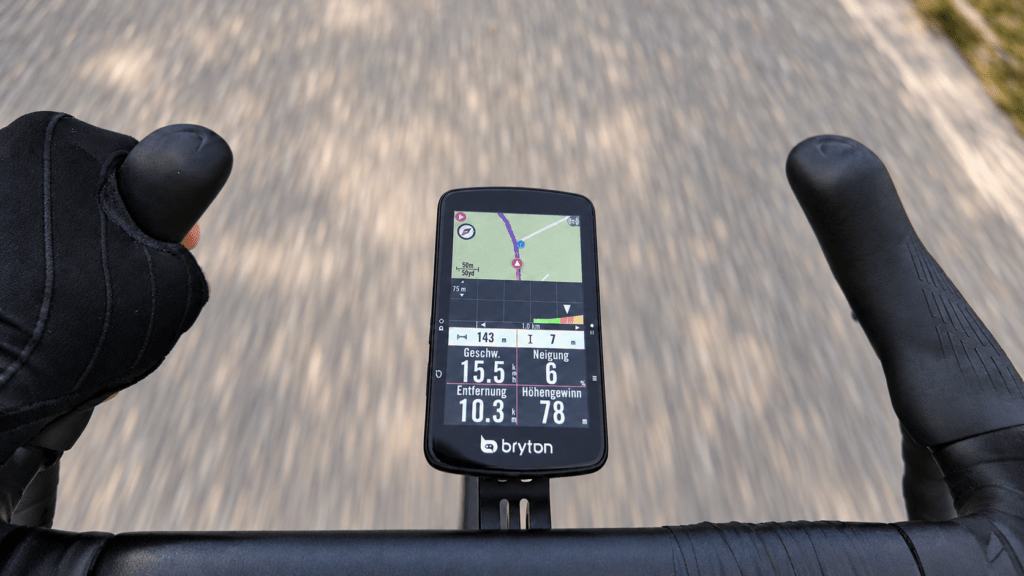
This is an interesting feature for hilly training rides. Reliability of predictions on your own routes should nevertheless be assessed separately. My positive workout presentation impressions are not an assessment of this climb detection.
Weight
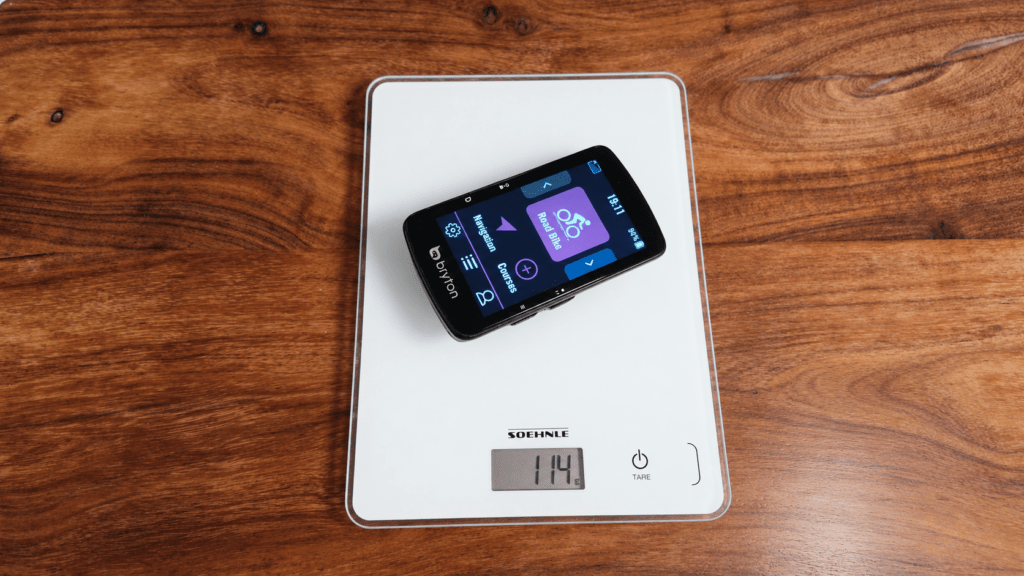
On my scale, the Bryton Rider S810 weighed exactly 114 grams. Compared with total bike and equipment weight, this is a small amount. Anyone carefully counting every gram will still consider it. For everyday touring, readability, ease of use and reliable navigation will probably matter more.
The best bike computers: where does the Bryton S810 fit?
When comparing the best bike computers, first consider which features matter on your rides. I see the Bryton S810's strengths mainly in readable maps, smooth operation, straightforward sensor pairing and good workouts. Strava Live Segments also impressed in my test. It is less suitable if you want many performance metrics beside the map or spoken instructions directly from the device. My Hammerhead Karoo 3 review offers another perspective on displays, navigation and controls. These are precisely the points I would compare when choosing a new GPS bike computer.
Who is the Bryton Rider S810 worthwhile for?
Particularly Suitable
The Rider S810 suits you if you …
- want a readable display and clear maps,
- value smooth operation,
- plan long rides and value long battery life,
- want to connect power meter pedals and compatible cycling radar,
- appreciate structured workouts with good graphical presentation,
- want Strava Live Segments and have or budget for a suitable subscription,
- can manage with two extra data fields on the map page.
Less Suitable
It Is Less Suitable If You…
- want power, heart rate, speed and other metrics simultaneously beside the map,
- expect spoken navigation instructions through an integrated speaker,
- expect consistently modern maps and menus.
Verdict
- Display and maps: readable display and clear maps. Visually, I prefer the Karoo 3 and Garmin Edge 850.
- Controls: the S810 responded smoothly in my test.
- Sensors and radar: my Garmin Rally pedals, Bryton radar, iGPSPORT SR mini and Garmin Varia RCT715 paired easily.
- Training: I particularly liked the graphical workouts.
- Battery life: my extrapolation gives around 46 hours and 40 minutes, a promising figure rather than a fully measured runtime.
Before buying: only two extra fields on the map page, no speaker for voice guidance and sometimes outdated-looking map and menu design.
Product details, delivery times and availability are available directly on Amazon.
My Bryton S810 test verdict: the Bryton Rider S810 impresses me with readability, clear maps and smooth operation. My Garmin Rally pedals and tested radars from Bryton, iGPSPORT and Garmin connected easily. I also particularly like the graphical workout presentation.
Battery life is a highlight: my linear extrapolation gives around 46 hours and 40 minutes, a promising guide for long rides. It comes from a short measurement period assuming constant consumption; a complete discharge was not measured.
The display is readable and, to me, slightly easier to read than the new Wahoo models. The Hammerhead Karoo 3 and Garmin Edge 850 nevertheless offer prettier, higher-contrast presentation to my taste.
My main criticisms remain only two extra map-page data fields, no speaker for voice guidance and sometimes outdated map and menu appearance. Anyone comfortable with these limitations gets, in my view, a convincing overall package for navigation, training and longer rides.
-
Readable display
Easy to take in during testing and slightly more readable than the new Wahoo models for me. -
Clear maps
The map display is tidy and readable. -
Smooth operation
The S810 responded smoothly to input in my test. -
Trouble-free sensor pairing
My Garmin Rally pedals, Bryton radar, iGPSPORT SR mini and Garmin Varia RCT715 connected easily. -
Good workout presentation
I particularly like the graphically presented sessions. -
Impressive battery life
My extrapolation gives around 46 hours and 40 minutes, a real highlight for me.
-
Only two map-page data fields
Viewing several performance metrics alongside the map requires switching to additional data pages. -
No speaker for voice guidance
Spoken navigation instructions directly from the device are absent. -
Sometimes outdated appearance
The map and menu design sometimes looks outdated to me.
0 Comments