

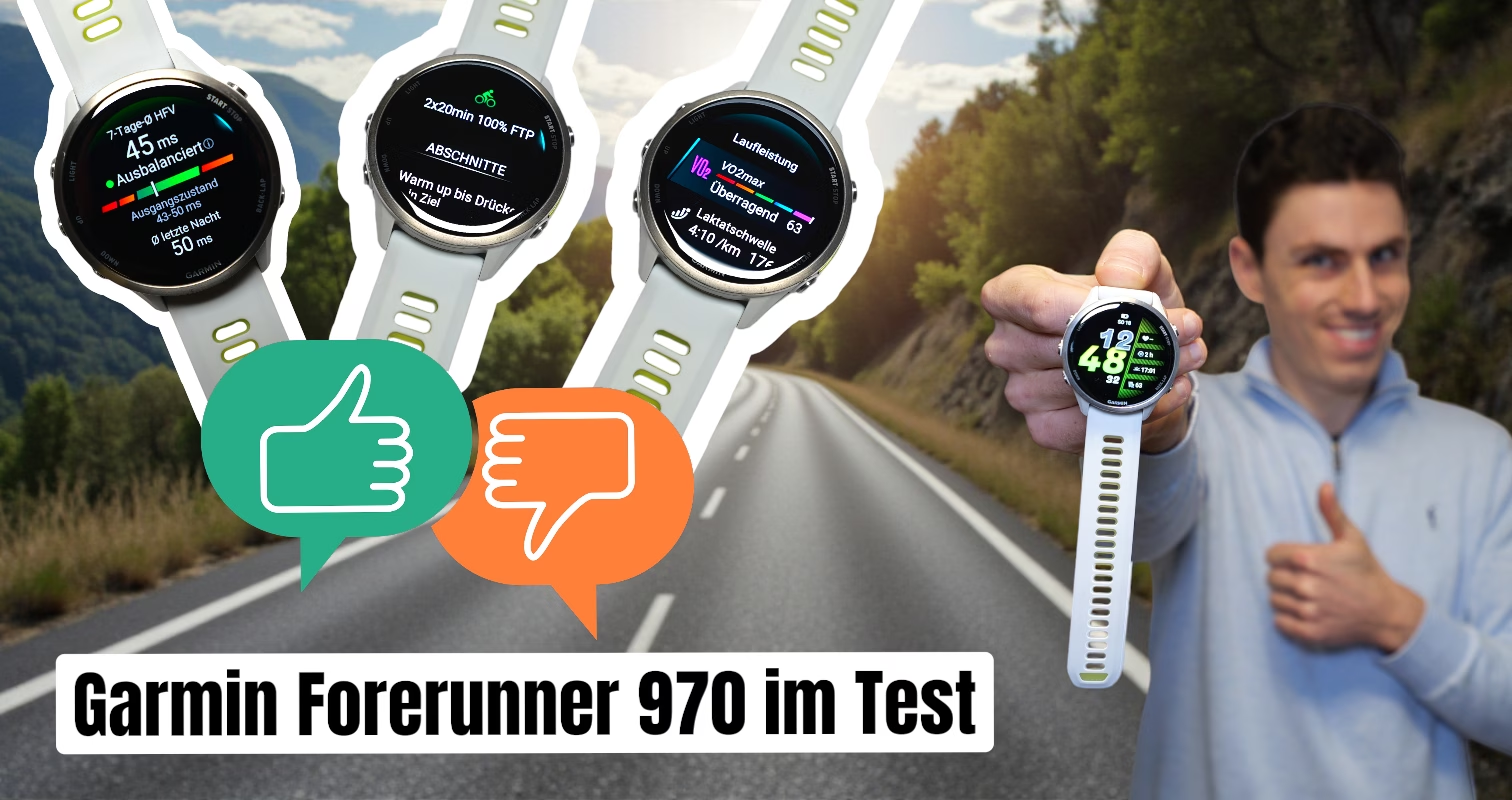
Garmin Forerunner 970: the best sports watch for road cyclists?
The Garmin Forerunner 970 is more than just a small update to the already strong Forerunner 965. The Garmin Forerunner 970 test particularly highlights the integration of new health features such as ECG and skin temperature measurement. The watch also offers a practical torch and advanced running metrics, especially appealing to users seeking deeper insights into training and health. The new rucking mode and Evening Report underline Garmin's ambition to offer a versatile all-in-one sports watch.
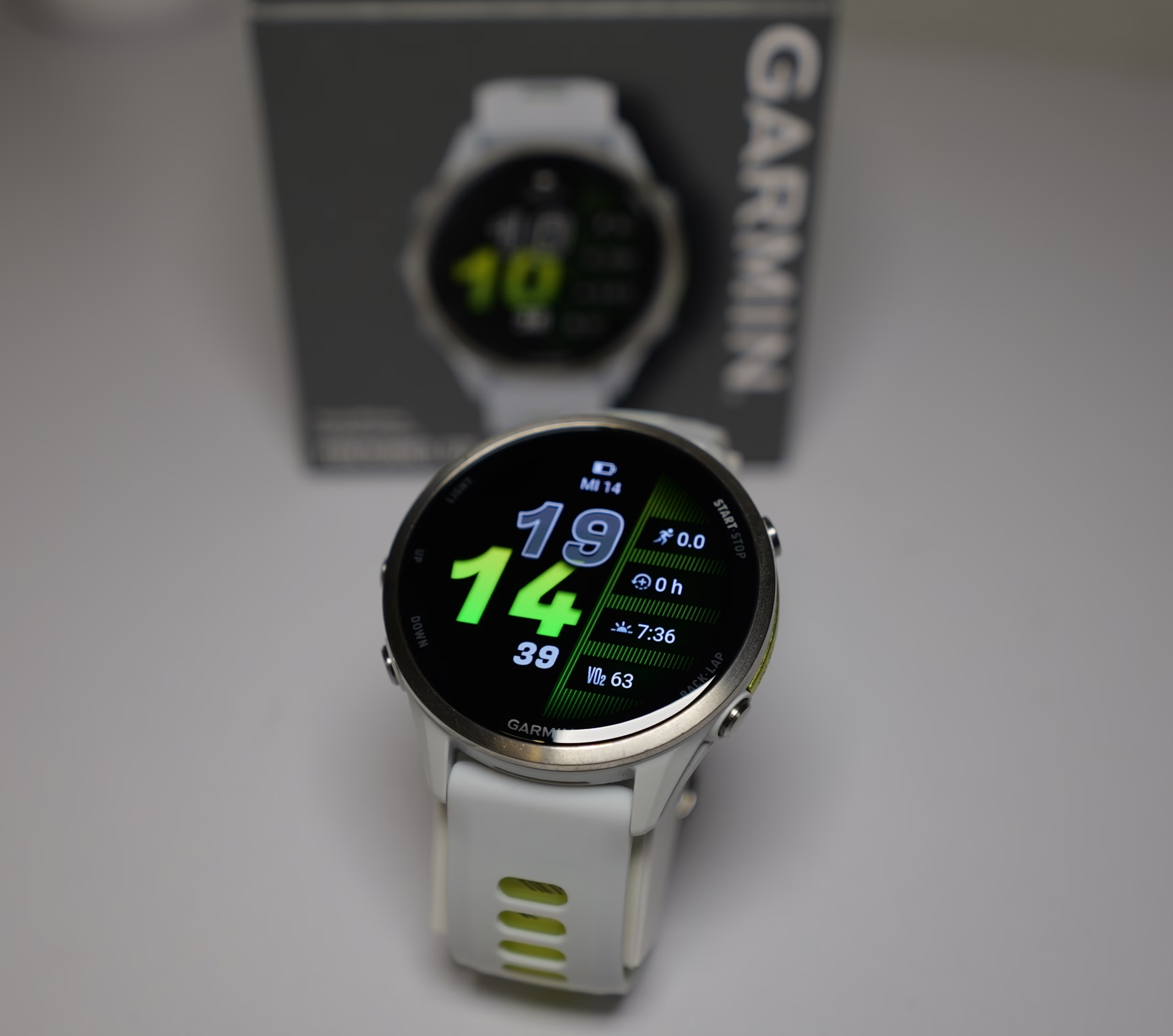
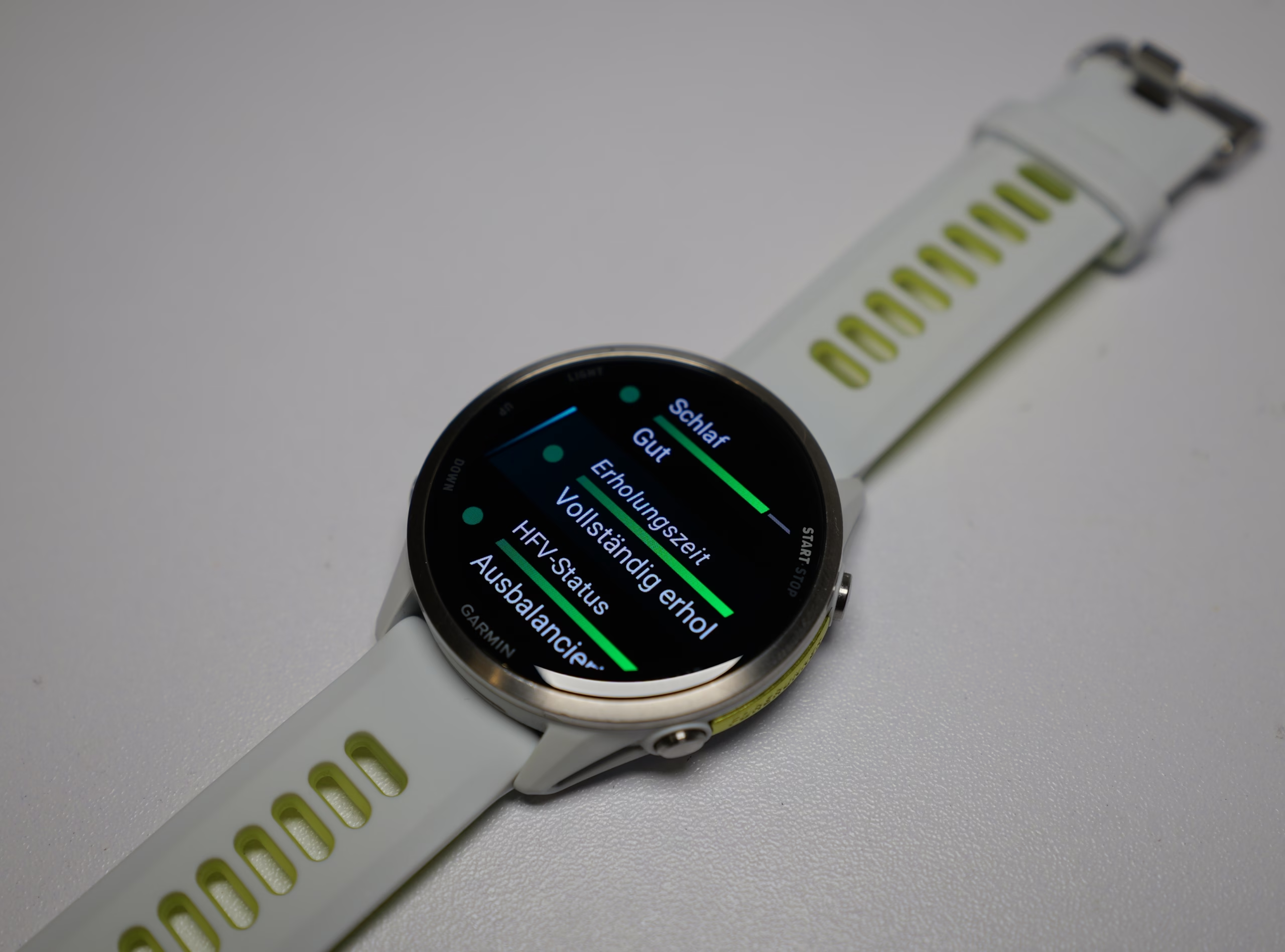
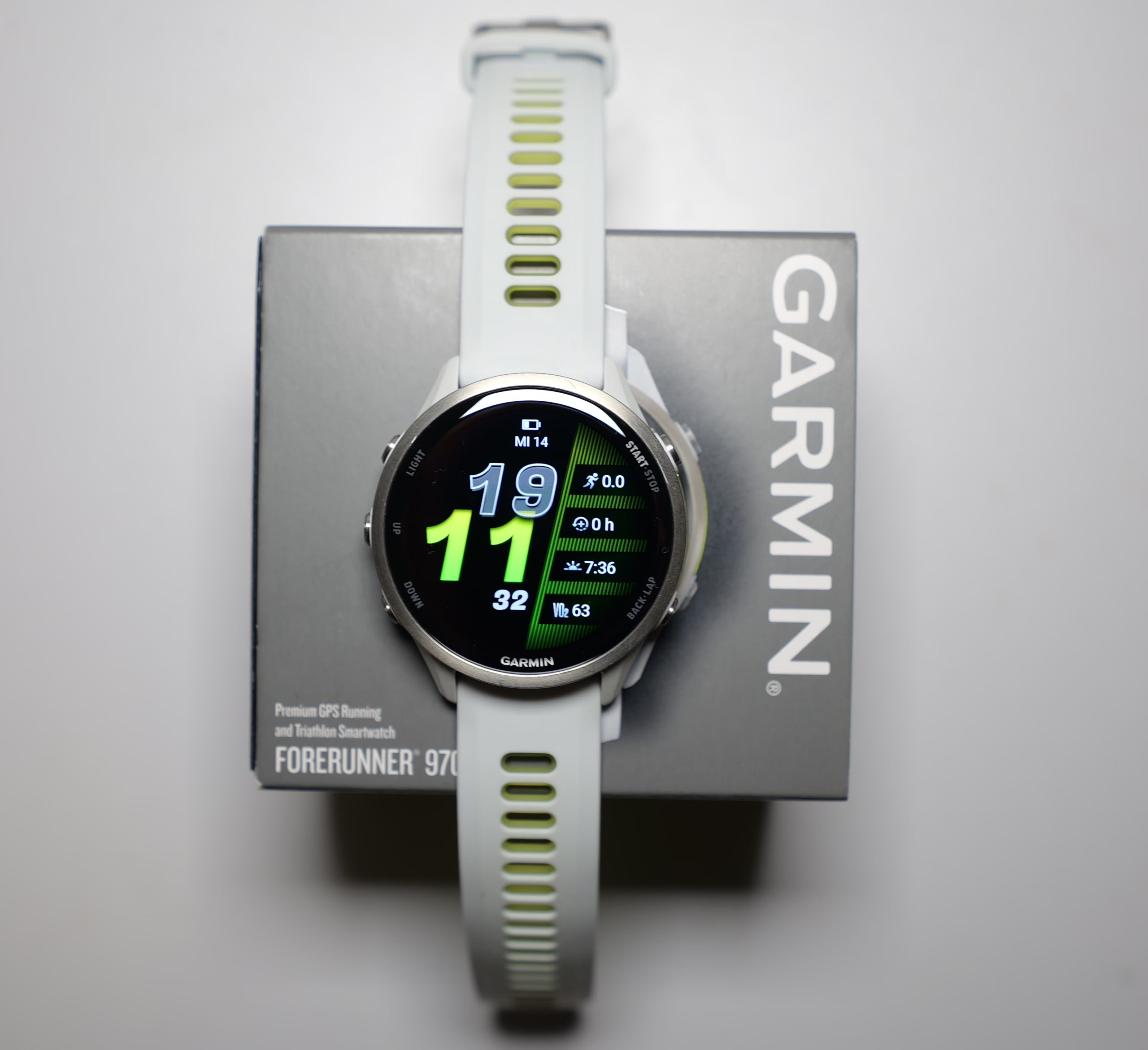
The Garmin Forerunner 970 feels made for anyone unwilling to compromise on training or style. It feels premium, looks great and delivers genuine high-end character with its AMOLED display and titanium bezel.
What I particularly like is that Garmin adds meaningful innovations rather than merely refreshing the design. The ECG feature, new running metrics and skin temperature sensor are features that do more than sound good: they provide real benefits, especially if you train intensively or simply like to keep everything in view.
The torch? I never expected to use it so often. A small feature with a big benefit. In brief, the Forerunner 970 is not revolutionary, but it is thoughtful, modern and simply very good. If you want to replace your old watch or move up from a smaller Garmin, this is a seriously strong upgrade.
Why the Forerunner 970 is currently among the best sports watches
The Garmin Forerunner 970 test shows that anyone seeking a sports watch that seamlessly connects training, health and everyday life will struggle to find a better choice than the Forerunner 970. The watch delivers an incredible amount of data, presented not merely comprehensively but precisely, clearly and meaningfully combined. The display is a pleasure, battery life is impressive despite AMOLED, and new features such as ECG and skin temperature are real highlights. Garmin has done more than integrate technology: it has built a watch that makes training smarter, safer and more efficient. Whether for an ambitious runner, triathlete or health-conscious user, the Forerunner 970 impresses in many tests with its versatility and accuracy.
Where it falls short—and noticeably so
The Garmin Forerunner 970 test also reveals a major criticism: there is no LTE module. This means you cannot make calls, reply to messages or place emergency calls without a smartphone. Particularly on long runs, trails or bike rides, this would be an important safety feature. Garmin already offers these functions on other models such as the Venu 2 Plus and Epix Pro, so why not on the Forerunner 970? For a watch in this price range and aimed at this audience, it is a clear disadvantage and a missed opportunity.
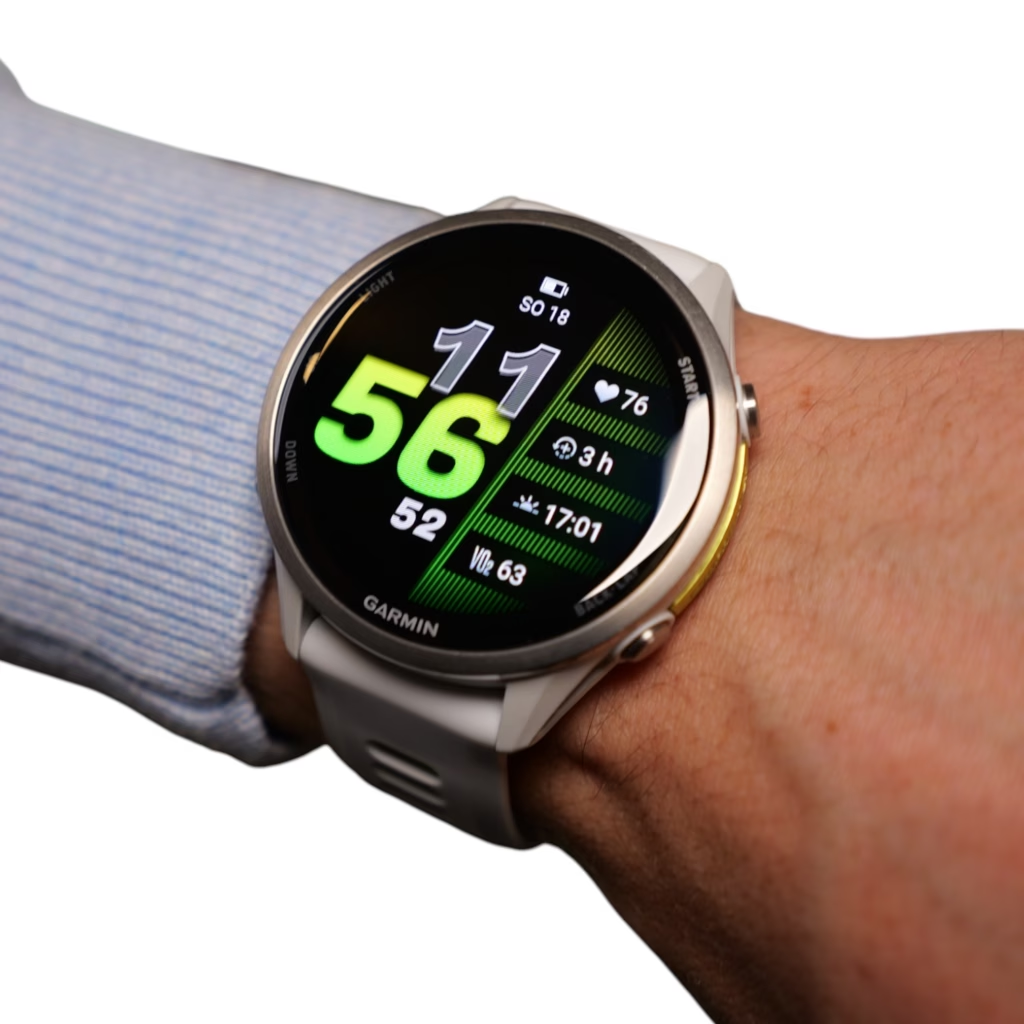
Despite its size, with a 47 mm case, the Forerunner 970 is surprisingly comfortable to wear, although it looks somewhat bulky on slimmer wrists. Honestly, though, that is part of what makes a Garmin watch. It feels light and well balanced and gets in the way neither during sport nor in everyday life—you almost forget you are wearing a high-end sports watch.
Pros and Cons
- Brilliant AMOLED display
Extremely sharp, responsive and readable even in sunshine. - Lightweight, premium design
Titanium bezel and comfortable wear despite the extensive features. - ECG feature & skin temperature sensor
New health features with real benefits, particularly for data-focused users. - Integrated torch
It may sound minor, but it is extremely practical in everyday use and when training in the dark. - Excellent battery life despite AMOLED
Up to 23 days in smartwatch mode—impressive for a display like this. - Multiband GPS & SatIQ™
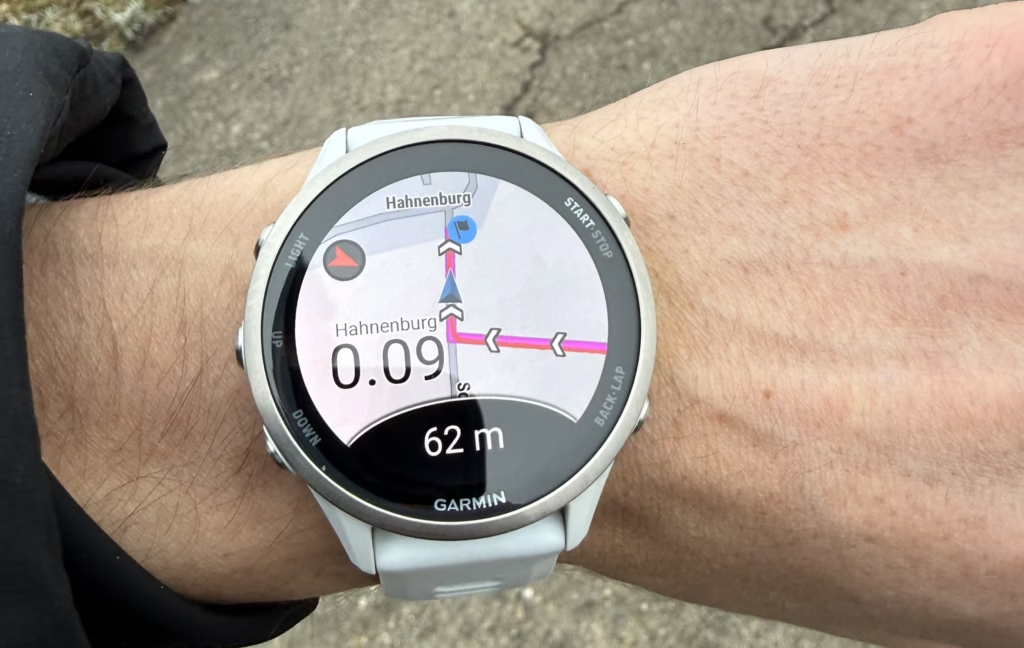
Highly precise route recording, even in challenging environments. - Advanced running metrics & new training modes (e.g. rucking)
Ideal for ambitious runners and, of course, road cyclists!
- High starting price
Not a bargain for many—the 965 is currently much cheaper. - No LTE or calling
Despite the smartwatch features, there is no way to make calls without your phone.
What the Forerunner 970 can really do
The Garmin Forerunner 970 can do a seriously impressive amount, at a level that satisfies even professionals. It reliably tracks every movement, provides highly precise GPS data and gives you a comprehensive picture of your body through advanced health features such as ECG and skin temperature. Yet it never feels overloaded; instead, it makes it easy to understand and improve your performance. Whether running, cycling or competing in triathlons, the 970 confidently supports every workout, warns you early about overtraining and helps you train smarter rather than simply harder. In brief, it is more than a tracker: it is a genuine training partner that helps you progress.
New features tested
ECG feature
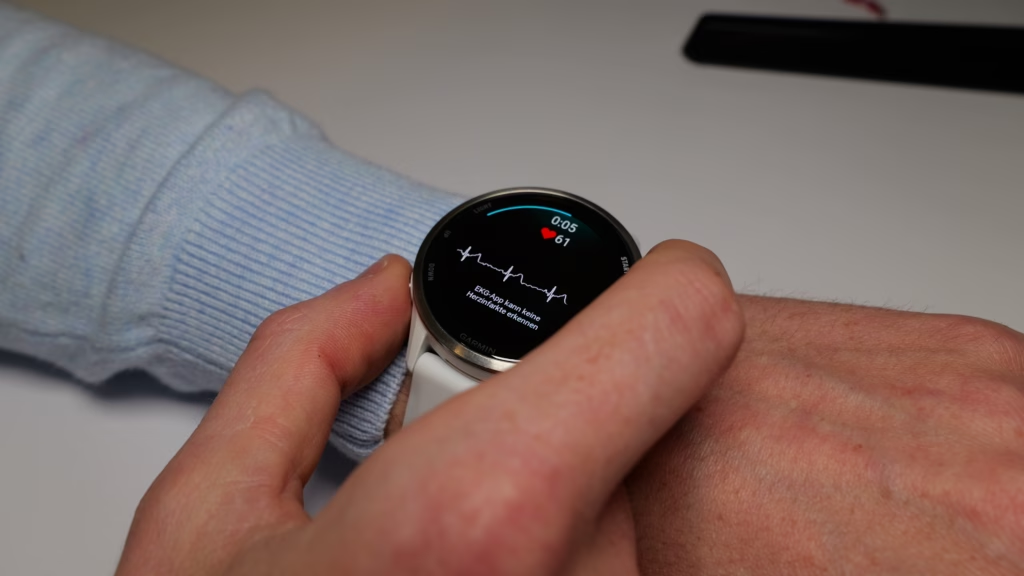
Garmin has finally integrated ECG into the Forerunner 970, a major step for a sports watch. Personally, this gives me greater reassurance because I can now monitor my heart rhythm directly on my wrist. Of course, it does not replace a doctor, but particularly during intensive training or when health concerns arise, it provides valuable additional information I previously missed. A real benefit that shows how seriously Garmin now takes health features.
Skin temperature sensor
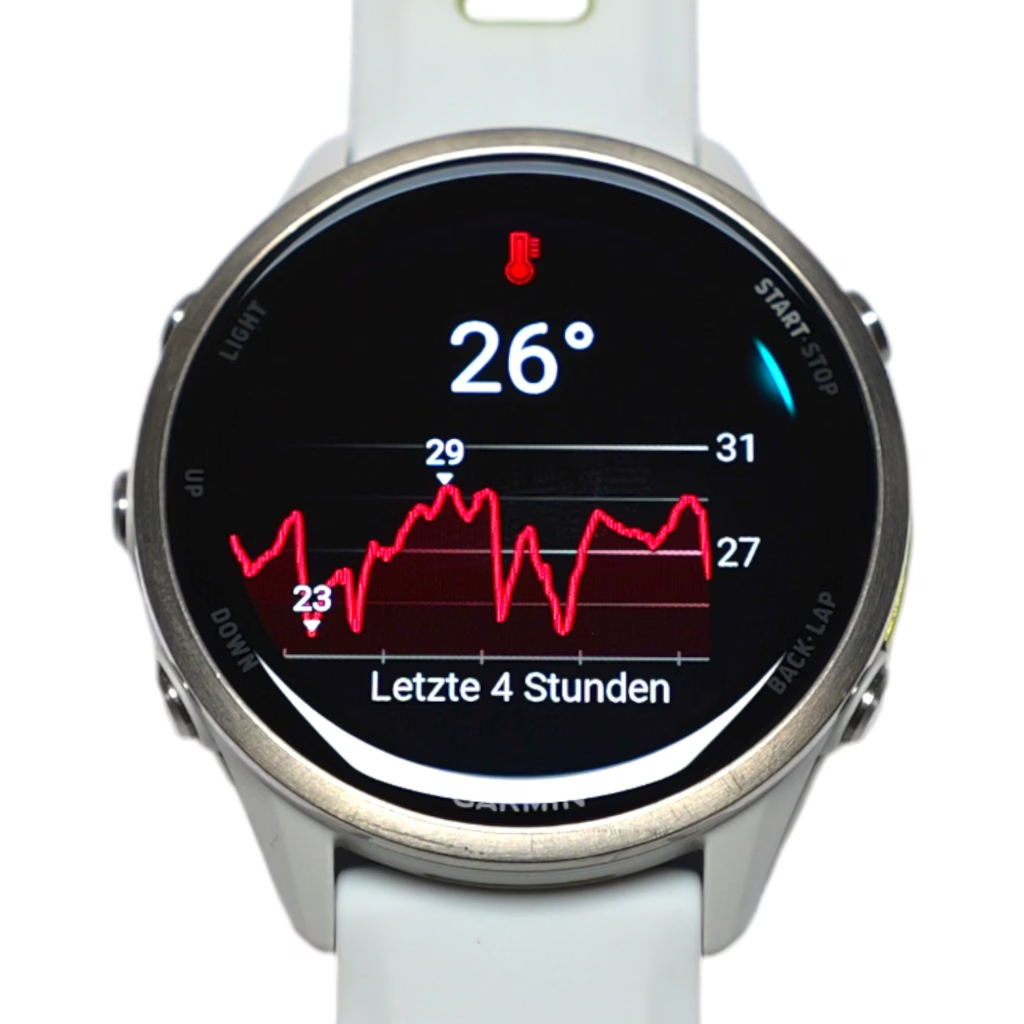
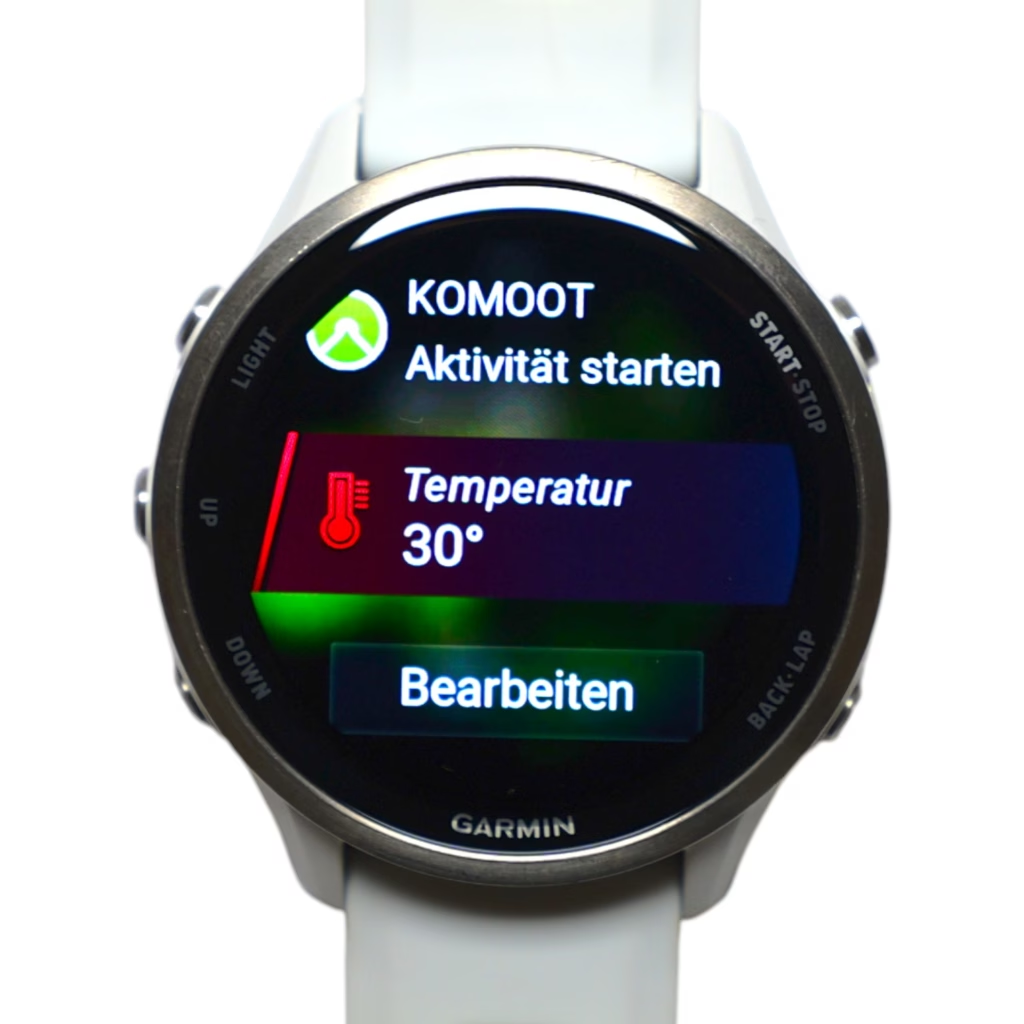
The new skin temperature sensor is more than a nice gadget. For me, it provides a real benefit because, alongside heart rate, it records another important physical measurement that reveals a great deal about recovery and stress. Particularly if you train a lot, a sensor like this helps you understand how your body is doing and can help prevent you from overdoing it. I find this especially interesting because it makes the watch smarter without becoming complicated.
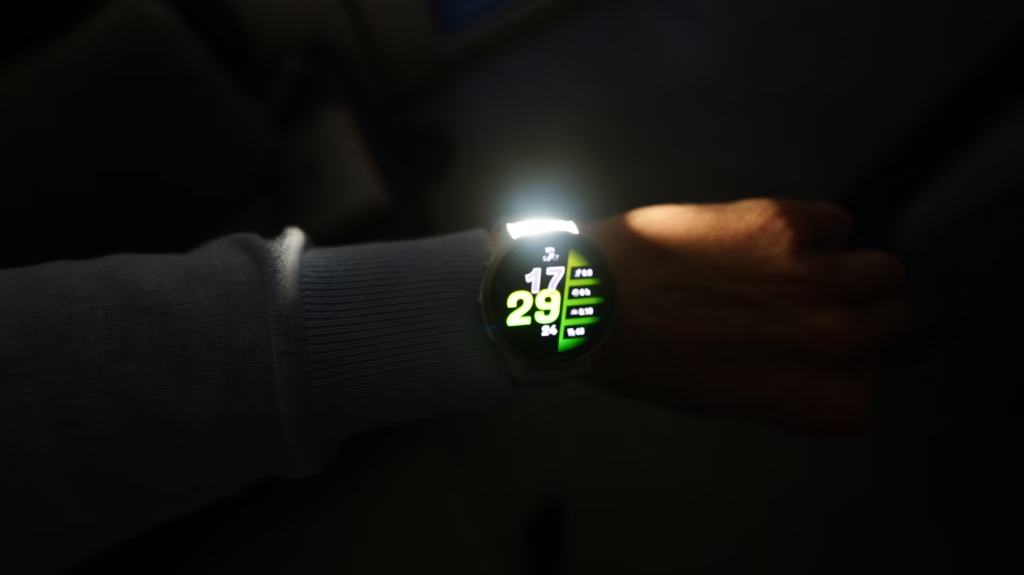
Integrated torch
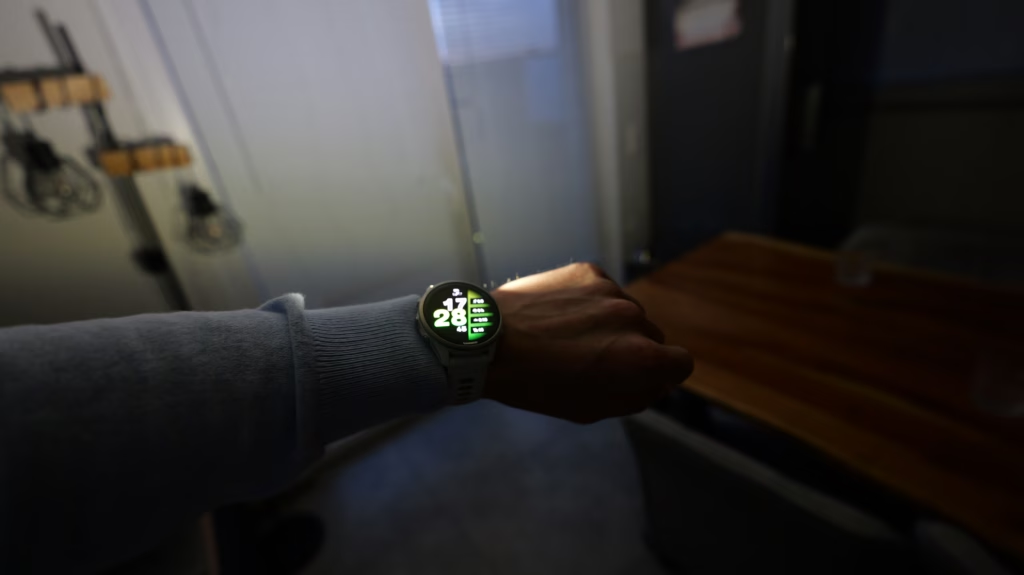
An integrated torch sounds simple at first, but I was genuinely surprised by how often I have used it since upgrading. Whether on an early morning run in the dark or quickly reaching into my sports bag, this small LED makes a difference. To me, it is the kind of feature that shows Garmin considers everyday life as well as major technical specifications. It makes the watch more practical and a little safer.
Rucking mode
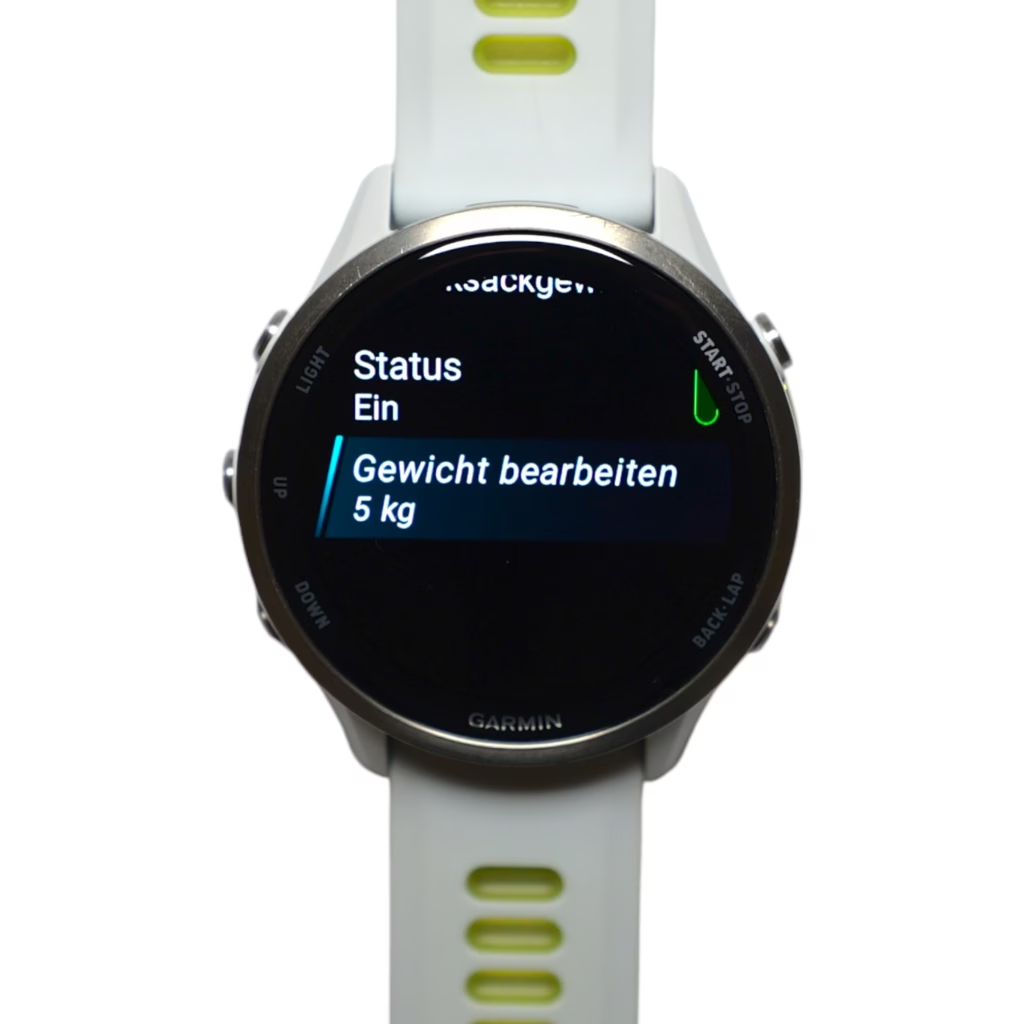
Rucking mode is a genuine game changer for me, particularly if you enjoy training with added weight. I have often found that my training data stopped being accurate when carrying a backpack. With this mode, the Forerunner 970 finally delivers precise VO2max and calorie figures that fit. It shows how Garmin responds to the needs of specific training disciplines—very cool!

Evening Report
The Evening Report quickly became a daily ritual for me. At a glance, it provides a smart summary of my sleep, next workout and the weather, all in a brief, easy-to-understand package. For me, this is much more than a set of statistics: it helps me plan the next day better and listen more consciously to my body. A clever feature that genuinely saves time in everyday life.
Advanced cycling metrics
Features such as Power Guide and ClimbPro are exactly what I hoped for from a professional sports watch for road cycling. Instead of gimmicks, I get genuine, practical support: a smart power strategy along a route and clear information on climbs, gradients and elevation gain, so I can pace my speed and power meaningfully. These are not colourful numbers without substance, but useful data that help me ride more efficiently, manage my effort better and ultimately get more out of every session. A real upgrade for road cyclists.
Power for weeks: how strong the Forerunner 970 battery is
Battery life is something that genuinely surprised me positively about the Garmin Forerunner 970, particularly considering its large, bright AMOLED display, which would often drain a battery quite heavily. Garmin has done a very good job of balancing powerful features with endurance. In normal smartwatch mode, mine easily lasts around three weeks, more than enough to get through a longer training break or trip without concern.
Even when I record many workouts with GPS and keep heart rate and health features active around the clock, I usually achieve a very solid runtime of over 20 hours in GPS-only mode. For ambitious athletes, this is invaluable: you do not constantly have to wonder whether the battery will last through the next run or competition. Particularly during long outdoor events or trail runs, this reliability is a real advantage.
Of course, some functions, such as multiband GPS combined with music, drain the battery more quickly, which is completely normal for such an all-round watch. Nevertheless, I find the 970 noticeably longer-lasting than many other models with comparable features.
For me, the combination of a strong battery and brilliant display makes the Forerunner 970 particularly attractive. You get not only a technically advanced sports watch but one that simply works reliably in everyday life, without constantly thinking about charging. That removes a lot of stress and makes using it relaxed. Overall, battery life is a genuine selling point that is almost decisive for me personally.
The Garmin Forerunner 970 can generally be fully charged in just 1.5 to 2 hours. This makes it one of the particularly fast-charging GPS sports watches. Charging time may vary slightly depending on the power adapter, but with a USB-C charger the smartwatch is quickly ready again—ideal for anyone who wants to use their Forerunner 970 in everyday life or training without long charging breaks.
Training data & analysis: tracking recovery
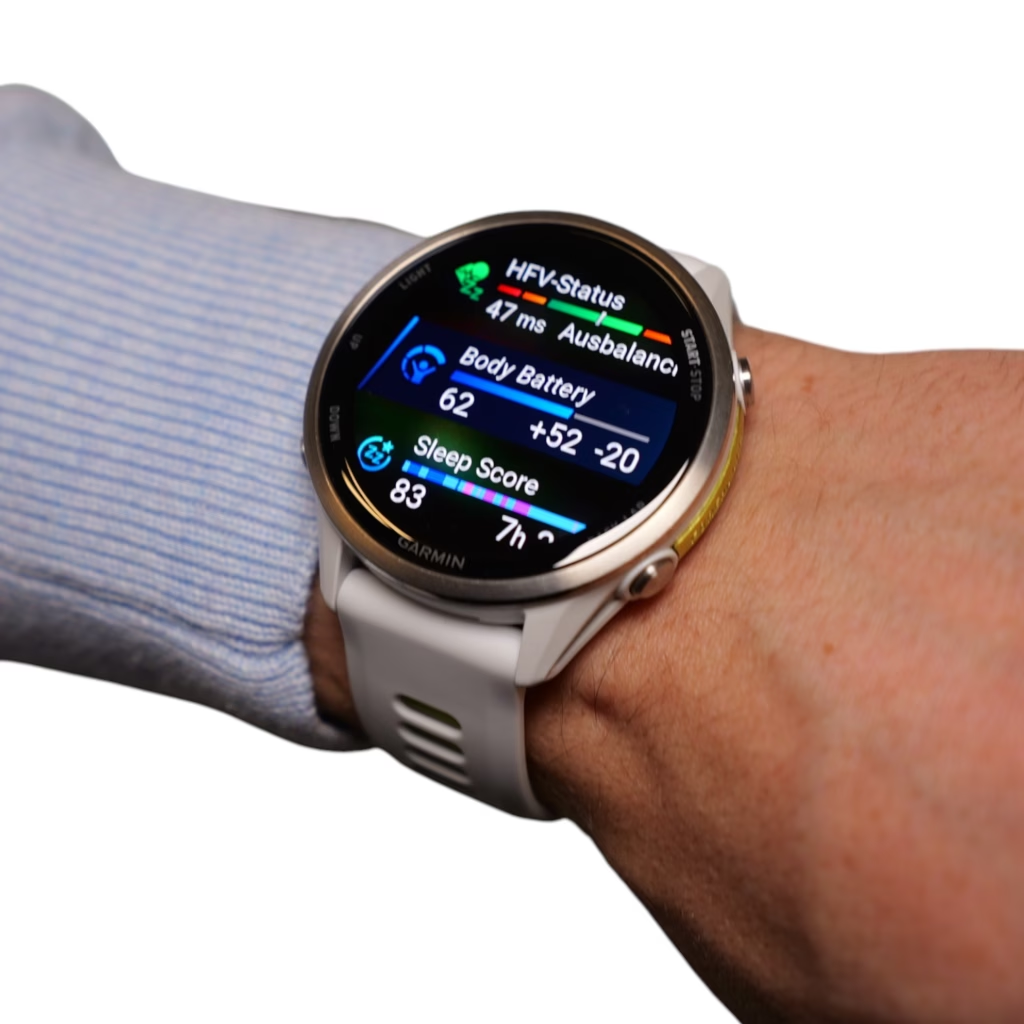
For my Garmin Forerunner 970 test , I have used the watch intensively in training over the past few days and compared it with WHOOP. Both devices provide detailed insights into training, recovery and sleep, but there are important differences to know, particularly for long-term use.
The Forerunner 970 essentially acts as a personal coach on your wrist, providing:
- Precise heart rate measurement, GPS and separate VO2max values for cycling and running
- Training Readiness, recovery time and HRV Status—all seamlessly integrated
- No subscription or hidden costs: buy it once and the watch is yours permanently
The Garmin Forerunner 970 test shows that this combination of accuracy and ease of use is a particular strength.
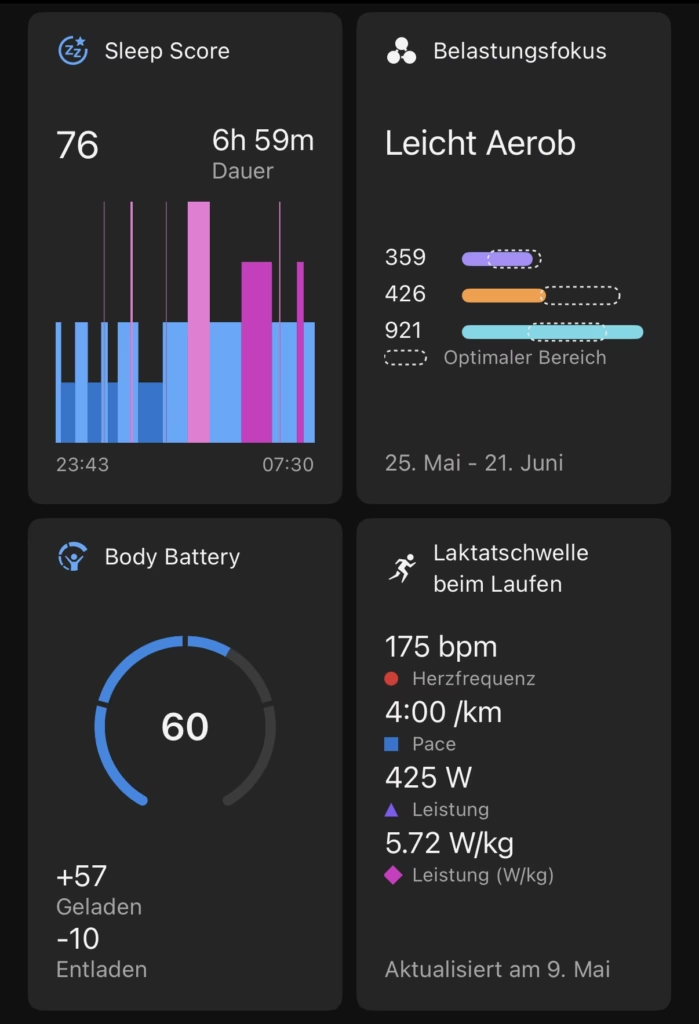
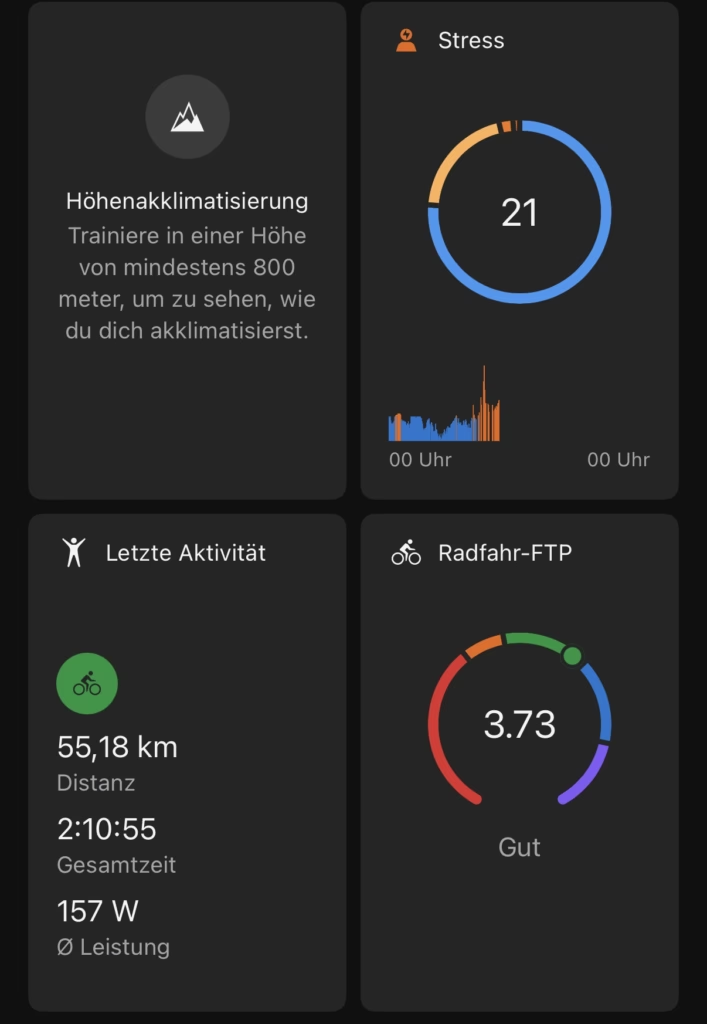
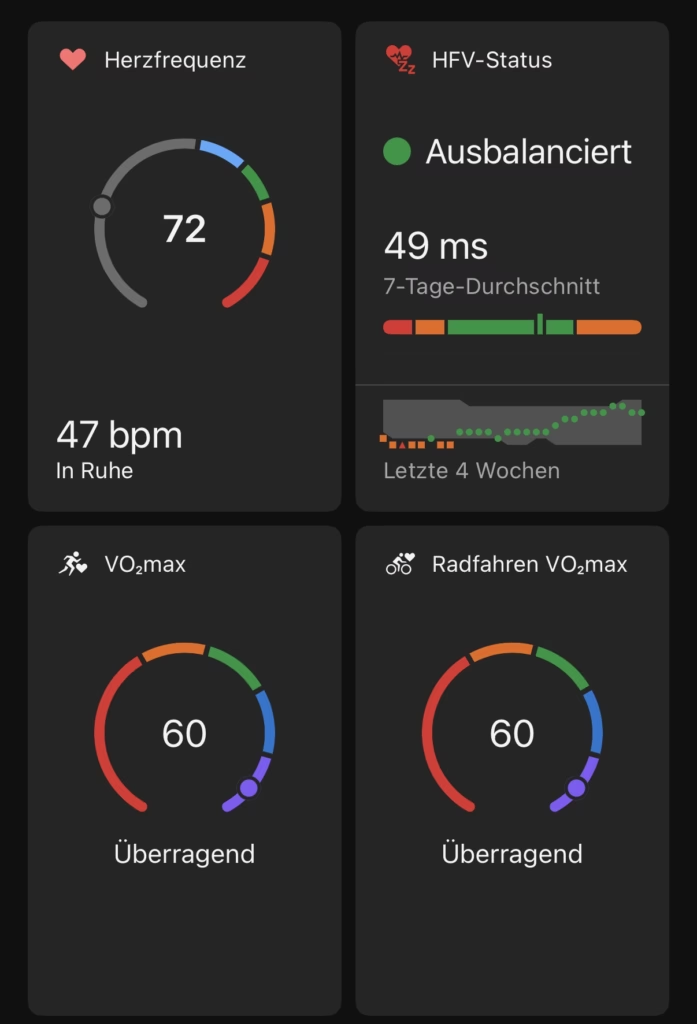
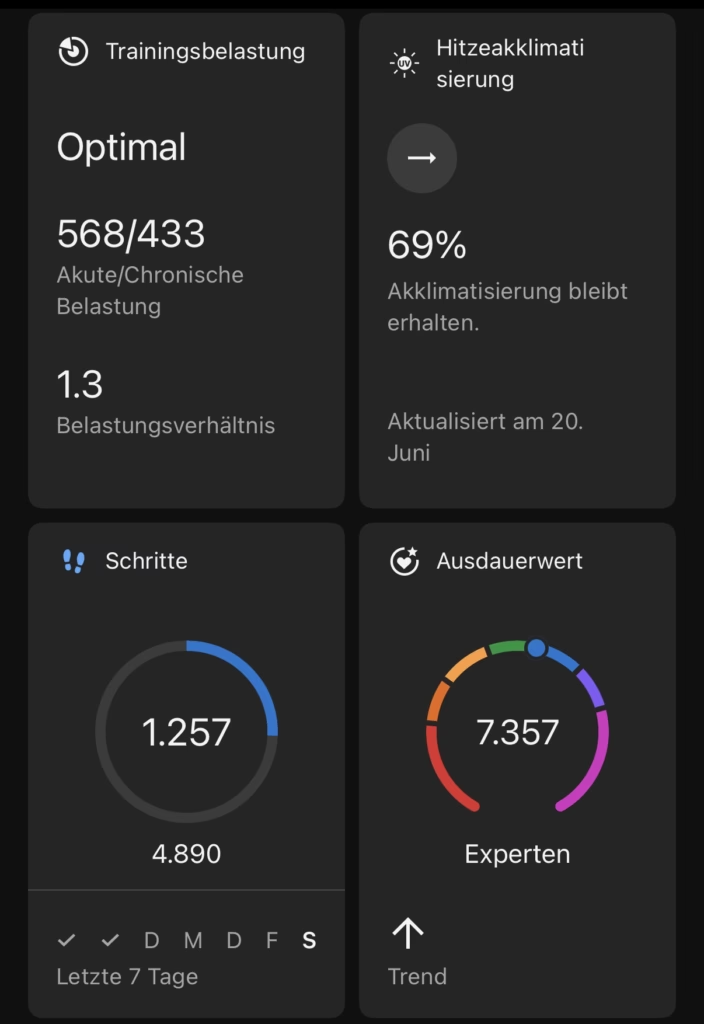
The watch analyses your load over days and weeks, identifies trends and provides useful suggestions for training intensity. Anyone wanting structured training, whether running, cycling or multisport, receives very good support here. And the data stays on the watch and in Garmin Connect, with complete transparency.
Improved VO₂ Max estimation
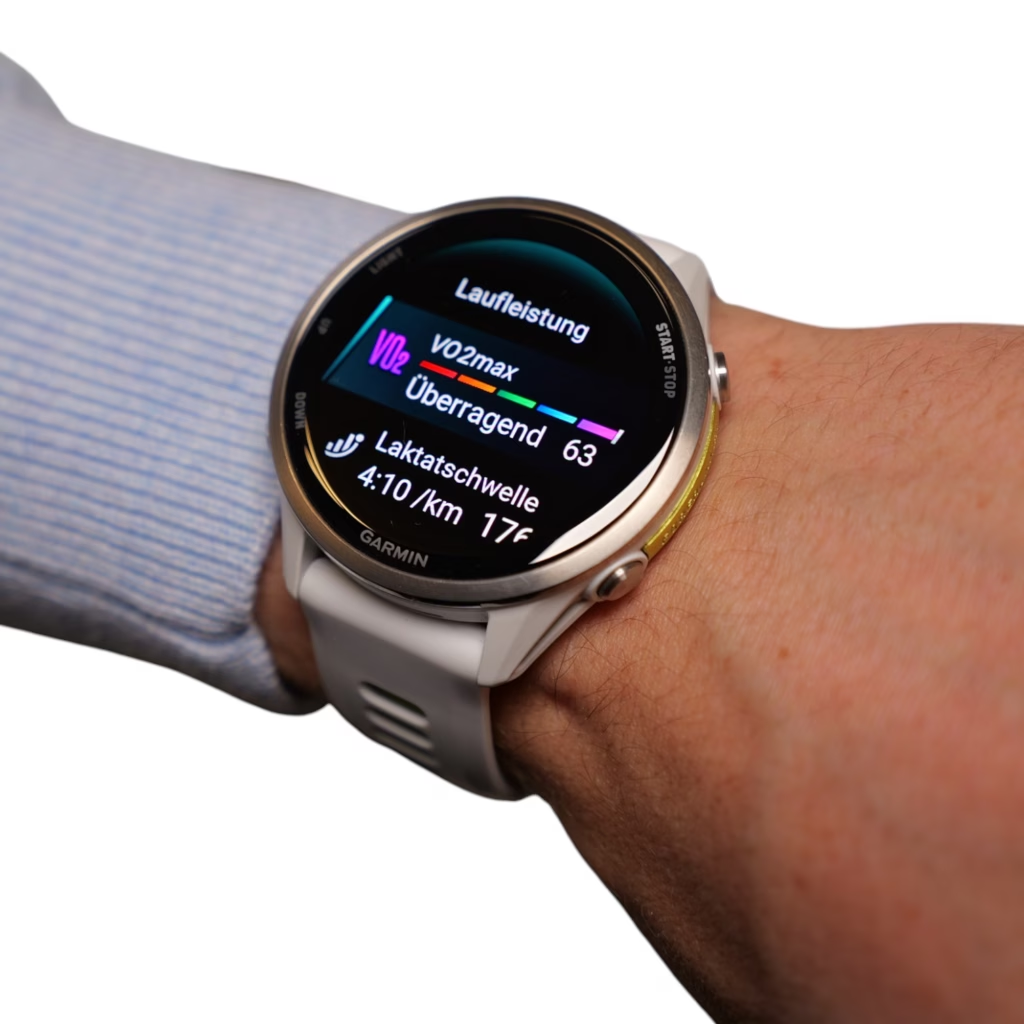
VO₂max estimation has been one of Garmin's core features for years, and the Forerunner 965 already provided it reliably. With the Forerunner 970, however, Garmin has noticeably refined the system: the measurement is now more closely integrated into the overall context of your training. Factors such as heart rate variability (HRV), Training Readiness and even temperature or altitude adaptation are considered, making VO₂max values feel more realistic and dynamic.
One noticeable difference is that the 970 assesses load and recovery in greater detail. Whereas earlier models such as the 965 could quickly show a drop in VO₂max after a hard week, the new generation responds with more nuance. A temporary performance decline is treated as “training load” rather than immediately interpreted as a setback, reducing pressure and reflecting reality more accurately.
The display has improved visually too: combined with the new Training Readiness widget, the VO₂max estimate gains more context and becomes more than just a numerical value. For users specifically working on endurance performance, this is a real improvement.
If you want to know how to increase your VO2 max effectively and more quickly, make sure to read this article.
Rating the new Forerunner 970
Garmin Forerunner 970 at a glance
- 1.4" AMOLED touchscreen (454 × 454 pixels)
- Titanium bezel, robust and lightweight design (around 52 g)
- Water-resistant to 5 ATM
- Up to 23 days in smartwatch mode
- Up to 31 hours in GPS mode
- Up to 8.5 hours with multiband GPS + music
- NEW: ECG feature (through the Garmin Connect app)
- NEW: skin temperature sensor
- Round-the-clock heart rate measurement
- SpO2 sensor (blood oxygen)
- Sleep tracking with sleep stage analysis
- Body Battery™, stress level and respiration rate
- NEW: rucking mode (training with added weight)
- NEW: advanced running metrics (Running Tolerance, Running Economy)
- Training Status, VO2max, training load & effect
- Running, cycling, swimming and triathlon modes
- Multiband GPS & SatIQ™ for high precision
- NEW: integrated LED torch
- NEW: Evening Report (sleep + training + weather)
- Garmin Pay™ (contactless payments)
- Music player (Spotify, Deezer, Amazon Music)
- Smart Notifications (calls, messages, apps)
The Garmin Forerunner 970 feels made for anyone unwilling to compromise on training or style. It feels premium, looks great and delivers genuine high-end character with its AMOLED display and titanium bezel.
What I particularly like is that Garmin adds meaningful innovations rather than merely refreshing the design. The ECG feature, new running metrics and skin temperature sensor are features that do more than sound good: they provide real benefits, especially if you train intensively or simply like to keep everything in view.
The torch? I never expected to use it so often. A small feature with a big benefit.
In brief, the Forerunner 970 is not revolutionary, but it is thoughtful, modern and simply very good. If you want to replace your old watch or move up from a smaller Garmin, this is a seriously strong upgrade.
- Brilliant AMOLED display
Extremely sharp, responsive and readable even in sunshine. - Lightweight, premium design
Titanium bezel and comfortable wear despite the extensive features. - ECG feature & skin temperature sensor
New health features with real benefits, particularly for data-focused users. - Integrated torch
It may sound minor, but it is extremely practical in everyday use and when training in the dark. - Excellent battery life despite AMOLED
Up to 23 days in smartwatch mode—impressive for a display like this. - Multiband GPS & SatIQ™
Highly precise route recording, even in challenging environments. - Advanced running metrics & new training modes (e.g. rucking)
Ideal for ambitious runners and outdoor enthusiasts.
- High starting price
Not a bargain for many—the 965 is currently much cheaper. - An evolutionary update only
Anyone who already owns a 965 gets meaningful improvements, but no groundbreaking innovations. - ECG available only with a compatible app
Currently works only in certain regions and not directly on the watch. - No LTE or calling
Despite the smartwatch features, there is no way to make calls without your phone.
Conclusion
The Garmin Forerunner 970 impresses in the test with a very comprehensive combination of precise training analysis, reliable GPS navigation and detailed health data. Training Readiness, sleep quality, heart rate variability and load features in particular provide useful guidance for effective, balanced training. In everyday life, the Forerunner 970 also scores with long battery life, solid build quality and seamless integration into the Garmin ecosystem.
A major advantage in the Garmin Forerunner 970 test is the absence of a subscription model: all features are included in the purchase price, saving money over the long term. The Garmin Connect app looks more technical than modern, but it is very comprehensive and offers many analysis options. Overall, the Forerunner 970 is primarily aimed at ambitious athletes who value solid data and long-term training management.
Prime Check price now
Was sagt ihr zu meinem Garmin Forerunner 970 Test – und vor allem: Wie steht ihr selbst zur Uhr? Ist der Preis für euch gerechtfertigt oder zahlt man hier eher für kleinere Upgrades?
Ich finde, Garmin liefert technisch wieder ordentlich ab, aber einige Funktionen wirken eher wie Feinschliff statt echte Innovation. Seht ihr das ähnlich – oder habt ihr Features entdeckt, die für euch den Unterschied machen?
Teilt gern eure Erfahrungen und Meinungen in den Kommentaren – ich freue mich auf den Austausch mit euch!☺️