

The content of this blog post is for information only and is not a substitute for professional medical advice, diagnosis or treatment. If you have health concerns or symptoms, we strongly recommend consulting a doctor or qualified healthcare professional. Do not take dietary supplements or medication without consulting your doctor.
The Fundamental Importance of Magnesium
Magnesium is involved in more than 600 enzymatic processes in the human body. These enzymes control almost every metabolic process, from protein synthesis and muscle contraction to blood sugar regulation.
The body does not produce magnesium itself. People therefore rely on obtaining it through food or dietary supplements. The recommended daily intake for adults is around 300 to 400 mg. However, intensive training, sweating, stress or an unbalanced diet can significantly increase requirements.
Magnesium Requirements in Athletes – Why Road Cyclists Are Particularly Affected
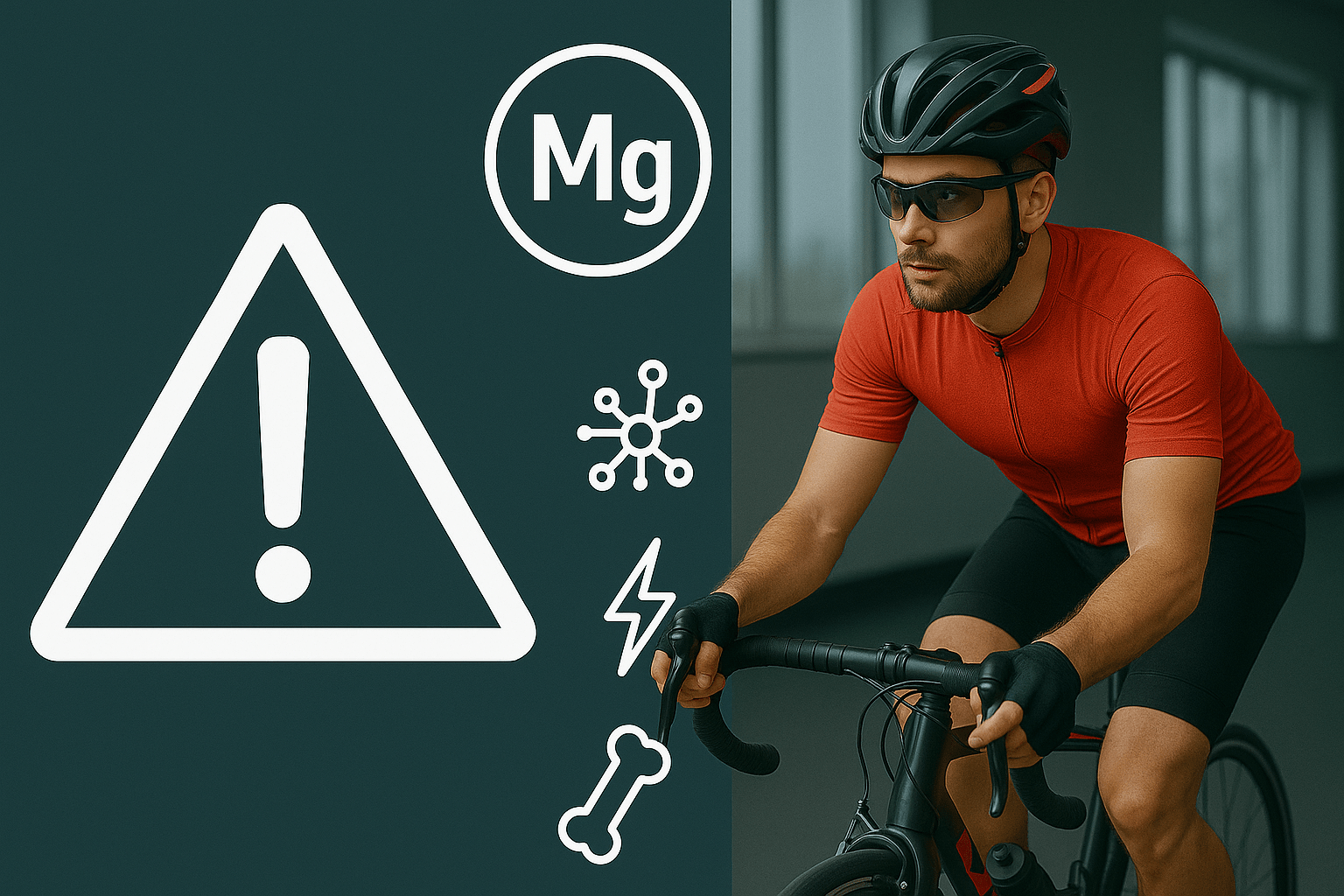
People who regularly take part in endurance sports, particularly road cyclists, lose large amounts of electrolytes through sweat during long sessions or intensive training. Magnesium is one of the most important of these substances.
Increased losses through sweating which magnesium is best
Even during moderate physical activity, a person loses around 30 to 40 mg of magnesium per litre of sweat. In summer temperatures or during long sessions, this can amount to several hundred milligrams, a substantial share of the recommended daily intake.
High demand from muscle metabolism
During muscle activity, numerous enzymes that depend on magnesium become more active. A deficiency can lead to cramps, reduced performance and even heart rhythm disturbances.
Training as a stress factor
Training is a stress stimulus for the body. Stress increases cortisol release, which in turn raises magnesium requirements. People who train regularly therefore have chronically increased magnesium needs, including during recovery.
Symptoms of Magnesium Deficiency
Magnesium deficiency often develops gradually and can go unnoticed for a long time, because its early symptoms are non-specific and easily confused with other conditions. Magnesium is an essential mineral that plays an important role in numerous bodily functions, from muscle and nerve function to heart health. The question of which magnesium is best therefore becomes particularly relevant when the first signs of deficiency appear.
Typical symptoms of magnesium deficiency include:
- Muscle cramps, especially in the calves, which can occur suddenly and be uncomfortable.
- Muscle twitching or involuntary muscle contractions, which can be bothersome.
- Nervousness and irritability, reflected in restlessness and a reduced ability to cope with stress.
- Sleep problems, as magnesium has a calming effect on the nervous system and a deficiency can make it harder to fall asleep.
- Headaches and migraines, which can be triggered by impaired muscle function and nerve signalling.
- Heart rhythm disturbances, which can be particularly dangerous and indicate an impaired supply to the heart muscle.
- Greater susceptibility to injury, as magnesium also plays a role in muscle recovery and bone strength.

Athletes in particular tend to misinterpret these symptoms or become used to them without recognising the underlying cause. Over time, this can lead to serious health problems such as chronic exhaustion, reduced performance or even heart problems.
This raises the question of which magnesium is best for effectively addressing a deficiency. It is not just the amount that matters, but also the form the body can absorb and use most effectively. Magnesium citrate and magnesium glycinate, for example, are highly bioavailable forms that are particularly recommended when a deficiency is already present.
Anyone who notices early symptoms of magnesium deficiency should therefore consider targeted magnesium supplementation and find out about the optimal form and dosage. This is the way to maintain a balanced mineral supply and support long-term health.
Comparing Forms of Magnesium: What Are the Differences?
There are many magnesium supplements on the market, but they are not all equally suitable, particularly for athletes. The main difference is bioavailability: how well the body can absorb and use the magnesium.
Here is a detailed overview: which magnesium is best
Magnesium Citrate
Magnesium citrate is an organic compound made from magnesium and citric acid. It is one of the most bioavailable forms, meaning the body can absorb and use it particularly effectively. This rapid, efficient absorption makes magnesium citrate particularly suitable for people with an acute magnesium deficiency or those experiencing intense physical demands, such as athletes or people under considerable stress.
When considering which magnesium is best, magnesium citrate often plays a central role because of its high solubility and rapid action. Compared with other magnesium compounds, such as magnesium oxide or magnesium chloride, magnesium citrate stands out particularly for its better tolerability and its ability to raise the body's magnesium levels quickly.
The benefits of magnesium citrate include:
- Very high bioavailability: The body absorbs the magnesium easily, making it available quickly.
- Rapid action: Magnesium citrate can quickly help correct a shortfall, particularly in cases of acute deficiency or increased demand.
- Ideal for athletes: Its rapid absorption optimally supports muscle and nerve function, which matters during intense physical activity.
However, there are also some drawbacks to consider:
- Laxative effect: At high doses, magnesium citrate can have a laxative effect and irritate the bowel, so the dose should be chosen carefully.
Overall, magnesium citrate is often considered one of the best forms when looking for something that works quickly and effectively. For anyone asking which magnesium is best, magnesium citrate is an excellent option, especially for those who need a rapid improvement in their magnesium levels.
Magnesium Glycinate
Magnesium glycinate, also known as magnesium bisglycinate, is a particular form in which magnesium is bound to the amino acid glycine. This combination allows the body to absorb the magnesium particularly well while also making it highly tolerable. These properties mean magnesium glycinate is often regarded as a particularly gentle, stomach-friendly option.
Magnesium glycinate is often among the top recommendations when asking which magnesium is best. This is mainly because it not only offers very high bioavailability but can also have a positive effect on the nervous system. Glycine, the amino acid bound to the magnesium, has a calming effect and supports relaxation and the body's recovery. Magnesium glycinate is therefore also frequently recommended for stress, sleep problems or muscle tension.
The main benefits of magnesium glycinate include:
- Very high bioavailability: The body absorbs the magnesium optimally, allowing it to take full effect.
- Gentle on the stomach: Unlike some other forms, magnesium glycinate does not irritate the stomach and is well tolerated even by sensitive individuals.
- Support for recovery and sleep: Thanks to glycine's relaxing effect, this form supports the body's recovery and promotes healthy, restful sleep.
There is one small drawback: magnesium glycinate is somewhat more expensive than other magnesium compounds because its production is more complex. Even so, the benefits often justify the additional cost, particularly for people seeking gentle yet effective magnesium supplementation.
Taken together, these properties make magnesium glycinate a highly recommended answer to the question of which magnesium is best, especially if you value tolerability, a calming effect and support for recovery and sleep. If you want a magnesium supplement that is both effective and gentle on the body, magnesium glycinate is an excellent choice.
Magnesium Orotate
Magnesium orotate is a particular form in which magnesium is bound to orotic acid. This compound is used especially frequently in cardiology because it is associated with positive effects on the cardiovascular system. Orotic acid can help improve the energy supply to heart muscle cells, supporting the heart's performance and health. This makes magnesium orotate particularly interesting for people with heart problems or endurance athletes looking to strengthen heart function.
When asking which magnesium is best, magnesium orotate is certainly worth considering if supporting heart health is the priority. This form is well tolerated and can specifically support heart function, distinguishing it from many other magnesium compounds.
The benefits of magnesium orotate include:
- Support for heart health: Magnesium orotate helps improve heart muscle cells and overall heart function, which is particularly important in cardiovascular disease.
- Good tolerability: Magnesium orotate is usually well tolerated even by sensitive individuals and rarely causes side effects.
On the other hand, there are some drawbacks:
- Moderate bioavailability: Compared with other forms, such as magnesium citrate or magnesium glycinate, magnesium orotate is absorbed somewhat more slowly and less efficiently.
- Higher price: Its particular composition and medical use often make magnesium orotate more expensive than conventional magnesium supplements.
Overall, magnesium orotate can be an excellent choice for specifically supporting heart health. Anyone asking which magnesium is best should consider their particular health goals alongside general factors such as bioavailability and tolerability. For people focused on cardiovascular health and endurance athletes looking to improve heart performance, magnesium orotate is a particularly recommended option, despite its somewhat higher price and moderate bioavailability. which magnesium is best
Magnesium Oxide
Magnesium oxide is one of the oldest and most widely used forms in dietary supplements. It has a very high magnesium content, meaning it contains a particularly large proportion of elemental magnesium compared with other compounds. This high content often makes magnesium oxide the cheapest option on the market, so it is frequently used in inexpensive magnesium supplements.
However, when considering which magnesium is best, it quickly becomes clear that magnesium oxide has several drawbacks despite its high magnesium content. Its bioavailability is relatively low, meaning the body has difficulty absorbing magnesium in this form. As a result, a large proportion remains unused and is excreted undigested.
Another important point is that magnesium oxide often has a laxative effect because of its poor absorption. It is therefore also used as a natural laxative, for example to relieve constipation. While this effect is helpful for some people, regular use or high doses can cause unpleasant side effects such as diarrhoea or stomach discomfort.
The benefits of magnesium oxide at a glance:
- Very high magnesium content: It provides a large amount of elemental magnesium per dose.
- Affordable: Simple production makes magnesium oxide inexpensive and readily available.
Its drawbacks, however, are:
- Poor absorption by the body: Low bioavailability means the body can actually use only a small proportion of the magnesium.
- Frequent laxative effect: Particularly at higher doses, magnesium oxide can irritate the bowel and act as a laxative.
Overall, magnesium oxide is an economical and widely used form, but when asking which magnesium is best, remember that effectiveness does not depend solely on magnesium content. What matters for a good supply is how well the body can absorb and use it. Those who value high bioavailability and better tolerability should therefore favour forms such as magnesium citrate or magnesium glycinate. Magnesium oxide is more suitable for people specifically seeking a laxative effect or needing a particularly inexpensive supplement.
Other Forms: Magnesium Taurate, Malate, Lactate and Chloride
Alongside better-known compounds such as magnesium citrate, magnesium glycinate and magnesium oxide, there are other specialist forms, each with particular benefits. These include magnesium taurate, magnesium malate, magnesium lactate and magnesium chloride. They are often found in specialist dietary supplements and are less widely available, but offer targeted effects that can be helpful depending on individual needs.
When asking which magnesium is best, it is worth looking more closely at these specialist options, as they can provide particular support for different aspects of health:
- Magnesium taurate: This compound of magnesium and the amino acid taurine is particularly valued for its positive effect on the cardiovascular system. Taurine supports heart function and, combined with magnesium, can promote heart health. Magnesium taurate is therefore an interesting option for people with heart problems or stress.
- Magnesium malate: Magnesium malate is bound to malic acid and plays an important role in cellular energy production. This form is particularly suitable for people experiencing tiredness or muscle tension because it promotes recovery and energy production. Athletes and people with chronic exhaustion often benefit from magnesium malate.
- Magnesium lactate: Magnesium lactate is formed by combining magnesium with lactic acid. It is frequently used to support the body's acid-base balance and promote balanced cellular function. It is well tolerated and often recommended for sensitive digestion.
- Magnesium chloride: This form is known for rapid absorption and is frequently used for short-term supplementation. Magnesium chloride can also be applied externally, for example as magnesium oil for direct absorption through the skin, which can be particularly helpful for muscle tension.
Although these specialist magnesium compounds are less widespread than the conventional forms, they can be an optimal choice for particular health concerns. When deciding which magnesium is best, individual needs and goals matter because each form has its own strengths.
Anyone looking for a supplement targeting particular concerns such as heart health, muscle recovery, energy production or acid-base balance will find excellent options in magnesium taurate, malate, lactate or chloride. These forms are often included in specialist products and provide a valuable addition to the general range of magnesium supplements.
Benefits and Drawbacks of Magnesium
Which Magnesium Is Best?
Unfortunately, there is no single answer: choosing the best magnesium supplement depends on several individual factors. There is no perfect form for everyone, but rather a range of options that are more or less suitable depending on personal needs, health and lifestyle.
The main factors to consider include:
- Physical activity: Athletes and people under heavy physical strain often need more magnesium. A rapidly available form that replenishes the mineral quickly after training is useful here.
- Stomach sensitivity: Some forms of magnesium can irritate the stomach or have a laxative effect. People who are sensitive should look for stomach-friendly options.
- Stress levels: Forms of magnesium with a calming effect are beneficial during periods of high stress or nervousness.
- Timing: Different forms suit rapid effects during the day versus evening use for recovery and sleep support.
- Purpose: Do you need to replenish magnesium levels quickly, or are you looking for a well-tolerated long-term supply?
For road cyclists and endurance athletes in particular, who need to pay close attention to an optimal magnesium supply, a targeted choice is recommended:
- Magnesium citrate is ideal for quickly and effectively replenishing magnesium stores after intense training sessions. It offers very high bioavailability and rapid action.
- Magnesium glycinate is ideal for evening use thanks to its high tolerability and calming properties. It supports recovery and promotes restful sleep, which is particularly important for athletes.
- Magnesium orotate is particularly interesting for endurance athletes who place high demands on their cardiovascular system. This form supports heart health and can improve endurance performance.
In our opinion, this magnesium offers a very good COMPLEX of magnesium forms for athletes


The Kraftreserve Magnesium Complex combines four compounds – citrate, oxide, bisglycinate and malate – for good bioavailability and tolerability. With 400 mg of elemental magnesium per daily dose, it supports functions including energy balance, muscles, nerves and the maintenance of bones and teeth. The vegan product contains no artificial additives, is non-GMO and is made in Germany. Anyone asking which magnesium is best for a balanced supply will find a balanced, practical everyday option here.
Combining different forms of magnesium can also often make sense to ensure a comprehensive supply. For example, combining magnesium citrate for rapid action with magnesium glycinate for recovery support can be ideal.
Overall, the answer to which magnesium is best always depends on individual needs. Considering your own situation and choosing a suitable form will deliver the best results for health, performance and wellbeing.
How Should Magnesium Be Taken?
Taking magnesium correctly is crucial to getting the most from it and meeting individual needs as effectively as possible. When asking which magnesium is best, it is equally important to understand how and when to take it to make full use of each form's benefits.
When to take it
The timing of magnesium intake can vary with your goals and has a significant influence on its effects:
- In the morning: For an active start to the day, magnesium can be taken in the morning to provide sufficient minerals and support muscle function. Forms with rapid bioavailability, such as magnesium citrate, are particularly suitable.
- Before training: Taking magnesium before exercise can help prevent muscle cramps and improve performance. Magnesium citrate or magnesium orotate are often recommended here because they become available quickly and can meet requirements during exertion.
- After training: Taking magnesium immediately after exercise makes sense for recovery and replenishing stores following intense exertion. Magnesium glycinate or magnesium citrate are suitable for promoting muscle recovery and helping prevent fatigue.
- In the evening: Evening magnesium intake is particularly important for supporting relaxation and restful sleep. Magnesium glycinate is often the best choice because it has a calming effect on the nervous system and promotes recovery during the night.
Dosage
The optimal dose depends on factors including training volume, intensity and individual magnesium losses through sweat. For physically active people, the recommended daily dose is usually between 400 and 600 mg of magnesium. The dose can be adjusted in some cases, such as particularly high exertion or heavy sweating. It is important to spread intake throughout the day for better absorption and tolerability.
Supplement formats
Magnesium is available in different formats that vary in absorption speed and practicality: w
- Tablets and capsules: These are particularly convenient for daily use, especially on the go. Capsules are also often well tolerated.
- Powders and effervescent tablets: These dissolve in water and are generally absorbed more quickly by the body. They are ideal for people who value a rapid effect.
- Liquid supplements: Liquid magnesium is absorbed very quickly and is suitable for rapid supplementation, for example in cases of acute deficiency.
When deciding which magnesium is best, consider not only its chemical form but also the right timing, a suitable dose and the format that best suits your circumstances. This is the way to maximise its effects and support lasting health and performance.
Diet: Which Natural Sources of Magnesium Are Best?
A balanced, varied diet is the foundation of an adequate supply of magnesium and other important micronutrients. Yet when asking which magnesium is best, many people think first of dietary supplements. Diet plays a crucial role, however: many natural foods are excellent sources of magnesium and can help meet daily needs naturally.
The best natural sources of magnesium include:
- Wholegrain foods: Oats, brown rice, wholemeal bread and other wholegrains contain relatively high amounts of magnesium, along with valuable fibre and vitamins. They make an excellent foundation for a magnesium-rich diet.
- Nuts and seeds: Pumpkin seeds, almonds and sunflower seeds are particularly rich in magnesium. These little powerhouses also contain healthy fats and protein that support performance and health.
- Pulses: Lentils, beans and peas are not only good sources of protein but also rich in magnesium and other minerals important for muscle function and energy production.
- Leafy green vegetables: Spinach, chard and other green vegetables also contain notable amounts of magnesium, as well as many plant compounds that support absorption and utilisation.
- Bananas: Besides being high in potassium, bananas also contain magnesium and offer a convenient, tasty way to supplement this mineral.
- Magnesium-rich mineral water: Mineral water containing more than 100 mg of magnesium per litre can be a simple, effective addition to daily intake, especially when consumed regularly to quench thirst.
Despite the range of natural magnesium sources, food alone is often insufficient to meet the increased needs of many physically active people. Sweat losses and increased muscle activity mean the body requires more magnesium. Targeted supplementation is therefore often useful and recommended.
When asking which magnesium is best, both natural foods and suitable dietary supplements should therefore be considered. Combining a magnesium-rich diet with well-chosen supplements can help regulate magnesium balance optimally, improve performance and promote wellbeing.
Verdict: Which Magnesium Is Best for Road Cyclists?
The question of which magnesium is best is particularly important for road cyclists. Increased demands from muscle activity, sweat losses and training stress mean they need to pay special attention to their magnesium supply.
For road cyclists, the recommended forms are:
- Magnesium citrate: For rapid availability and high absorption
- Magnesium glycinate: For optimal tolerability and recovery
- Magnesium orotate: For endurance and heart health
Ideally, a combination is used according to the time of day and level of exertion. Consistent intake and choosing quality supplements without unnecessary additives are important.
The right magnesium strategy can help avoid performance losses, improve recovery and promote overall health. For ambitious road cyclists, this is a decisive advantage in training and competition.
0 Comments