

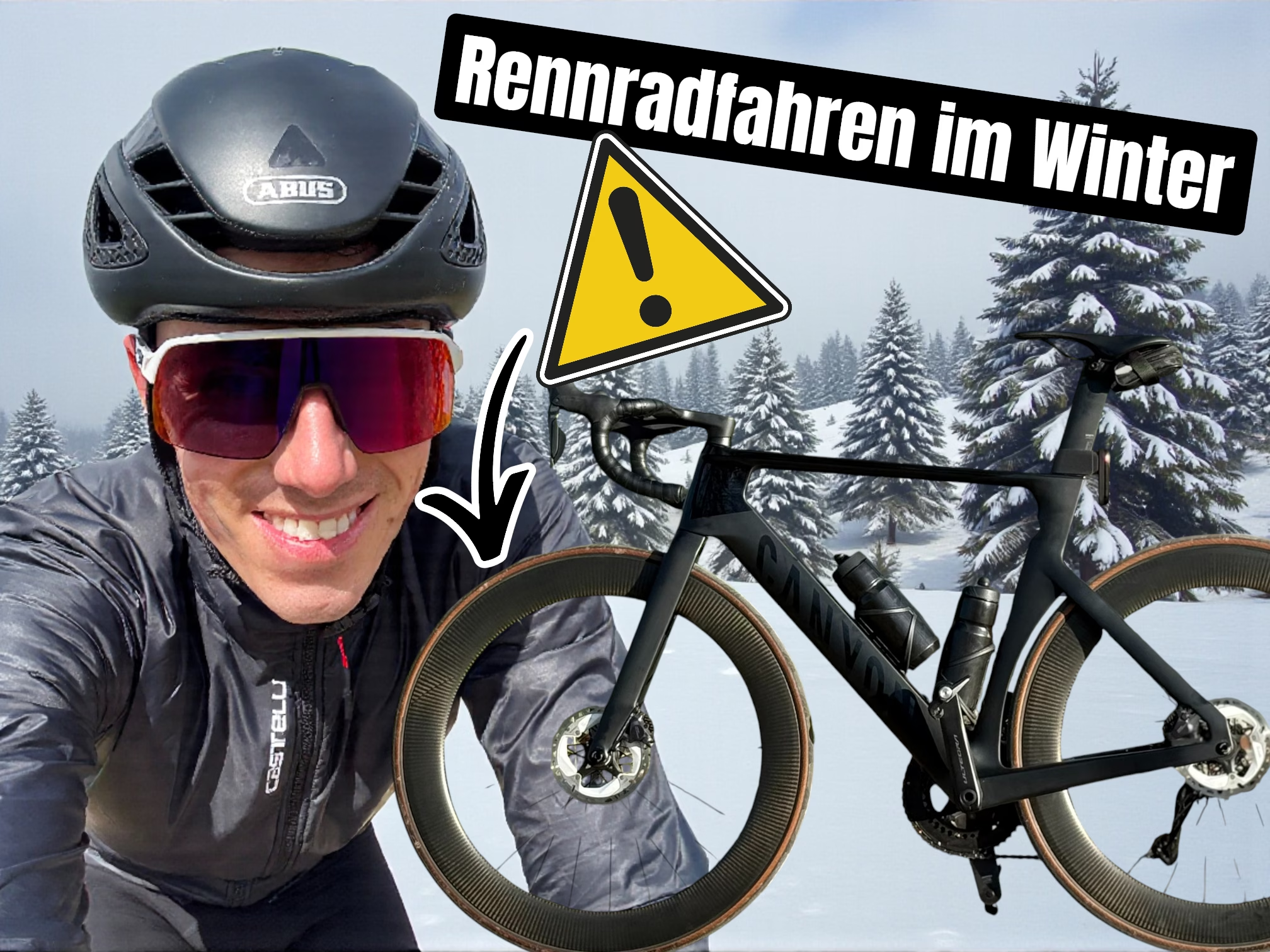
Why road cycling in winter can make sense
Although it may take some initial effort, road cycling in winter is worthwhile in many ways. Riding regularly through the cold season maintains aerobic endurance and keeps you fit over the winter months. Continuous training means your body does not start from scratch in spring but can build directly on the previous season's performance.
Riding in wind, cold and darkness also builds mental resilience. Motivating yourself despite difficult conditions develops a strong mindset, a crucial advantage when the new season begins.
Another positive effect is increased calorie expenditure: in low temperatures, the body needs more energy to maintain its heat balance. This makes winter training particularly effective if you want to manage weight or lose excess pounds.
To keep training comfortable, however, plan shorter but more intense rides and avoid lengthy breaks in the cold. This helps you get the most from winter training, staying fit, growing mentally and entering the new cycling season stronger.
Pros and Cons
- Maintaining aerobic endurance
Regular training keeps you fit through the cold season, so you do not start from scratch in spring. - Mental strength
Riding in cold, darkness and wind builds willpower and discipline, a real advantage for future races or long rides. - Higher calorie expenditure
The body uses more energy to stay warm in low temperatures, ideal for maintaining weight or burning fat. - Fresh air and nature
Outdoor training improves mood, strengthens the immune system and relieves stress even in winter. - A performance advantage in spring
Training throughout winter lets you build directly on the previous season's fitness and saves valuable preparation time. - Variety and focus
Shorter, structured winter sessions develop technique, cadence and concentration without the pressure of long summer rides.
- Cold and wet conditions
Low temperatures, rain or snow make training uncomfortable and increase the risk of colds or becoming chilled. - Increased accident risk
Darkness, slippery surfaces and poor visibility can be dangerous, particularly on poorly lit or icy roads. - Greater equipment wear
Road salt, moisture and dirt attack the chain, bearings and frame, making regular care essential. - More equipment preparation
Winter clothing, mudguards, lights and specialist care products add costs and preparation. - Motivation difficulties
Short days, cold weather and darkness can make regular training difficult to maintain. - Restricted training conditions
Extreme weather such as ice, snow or storms can make rides impossible, requiring indoor alternatives.
The right clothing for road cycling in winter
The right clothing is the decisive element in staying healthy and performing well when road cycling in winter. Dressing appropriately not only resists the cold but also prevents your body from becoming chilled or overheating. The proven layering principle offers the ideal solution:
The first layer, the base layer, consists of breathable, moisture-wicking technical underwear. It moves sweat away from the skin and keeps the body comfortably dry. Next comes the mid-layer, usually a warm long-sleeved jersey or thermal jacket that provides insulation while remaining breathable. The outer weather-protection layer should resist wind and water to protect against airflow, rain or snow.
Tip: If you are looking for high-quality winter road cycling clothing, our partner 👉Check availability on Amazon** is worth exploring. You will find a wide choice of technical cycling clothing from top brands such as Castelli, GORE and Endura, perfect for cold training days. With fast delivery and knowledgeable advice, you will be well equipped for winter.
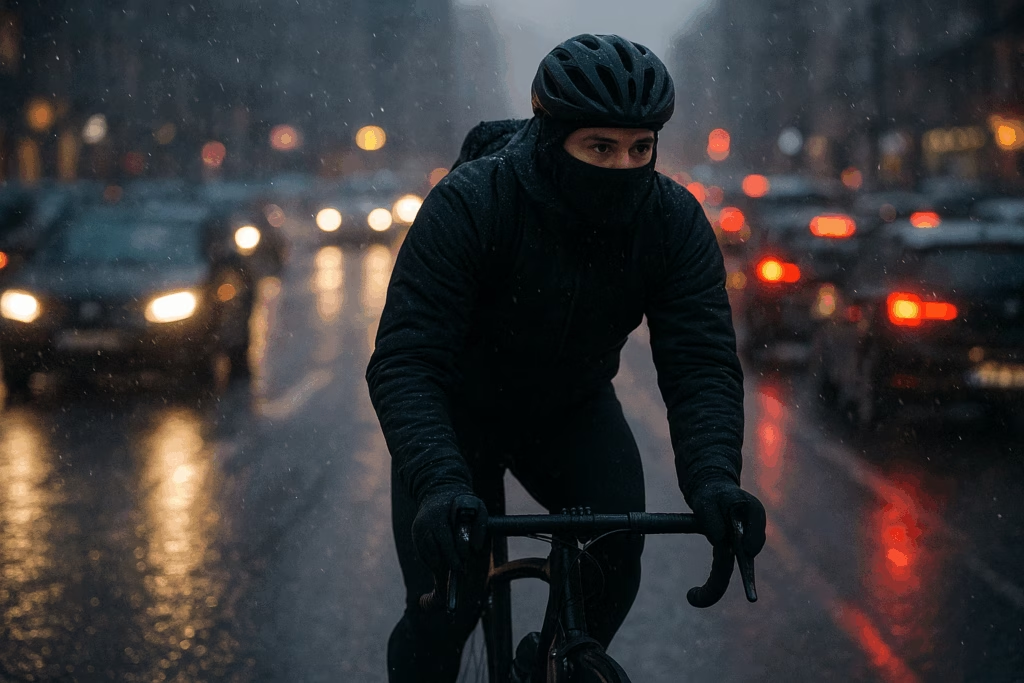
Your upper body is not the only area needing attention. Winter cycling tights with a thermal lining protect your legs from the cold, while overshoes keep feet warm and dry. Windproof gloves are essential to retain feeling in your fingers and brake safely. A cap or headband under your helmet prevents heat loss through the head, an often underestimated factor.
The right combination of functionality, comfort and protection keeps you pleasantly warm even below freezing without making you sweat, the perfect foundation for safe and efficient winter road cycling.
Bike & equipment: winter-proofing your road bike
Your road bike also needs special attention and care to keep you riding safely and reliably in winter. The cold season puts your bike to a tough test: moisture, cold and road salt heavily stress materials and components. A few targeted adjustments can prepare your road bike effectively for the winter months.
Mudguards are essential to protect you and your bike from spray and dirt. They not only improve comfort but also extend frame and drivetrain life. Switching to wider tyres of 25 to 28 millimetres is also sensible. They provide more grip and stability on wet or slightly icy roads, an important safety factor in winter conditions.
Lighting must not be underestimated either. Particularly in the dark season, bright front and rear lights are essential, ideally powered by a rechargeable battery or dynamo. They help others see you and let you identify obstacles, potholes or icy patches early.
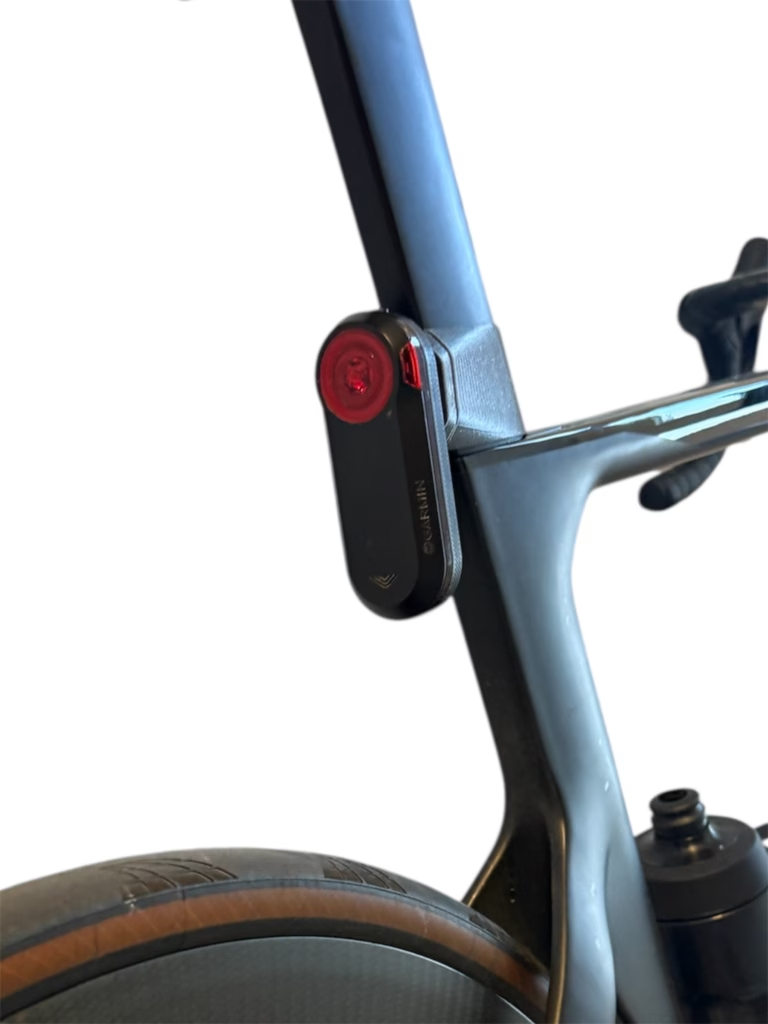
Modern radar systems with integrated rear lights are particularly practical, providing additional safety in traffic. We have extensively tested the 👉Garmin Varia Radar and 👉Wahoo Trackr Radar. Both reliably warn of approaching vehicles and significantly increase visibility.
This keeps you illuminated and safe all round, even in darkness and poor visibility.
Give your road bike a quick clean after every ride. Road salt in particular can attack the chain, sprockets and bearings. Regularly use a mild cleaner, then treat moving parts with specialist winter grease or chain oil to prevent corrosion.
This combination of care, technology and safety keeps your road bike in top condition throughout winter, letting you concentrate fully on what matters: riding.
Alternatives in extreme weather
When snow, ice or black ice make the road unrideable, alternative training options help you stay active through winter. Fortunately, there are many ways to preserve the road cycling feel even when outdoor weather rules out a ride.
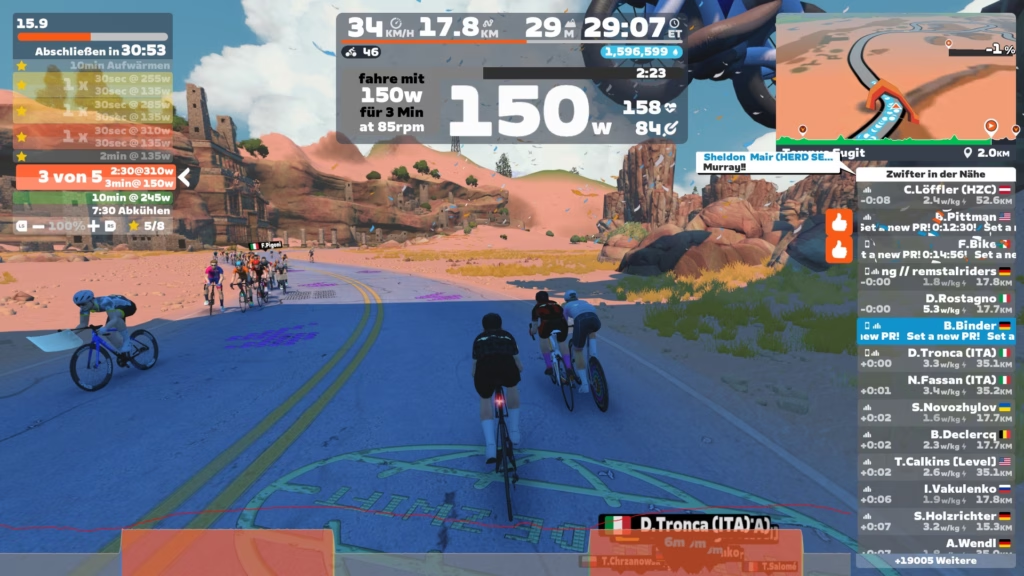
One of the most popular options is indoor training on a turbo or smart trainer. Platforms such as Zwift, Rouvy or MyWhoosh let you train virtually on real routes, compete with others and complete targeted sessions. This form of indoor training is fun, efficient and makes you work up a sweat even when temperatures outside are below freezing.
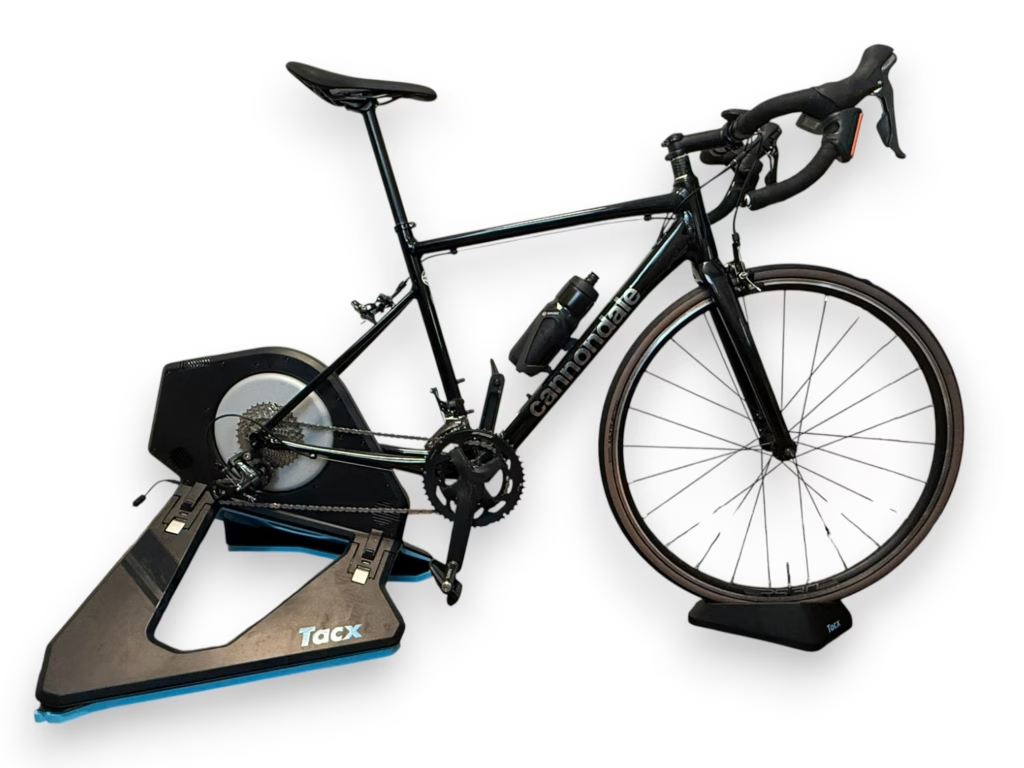
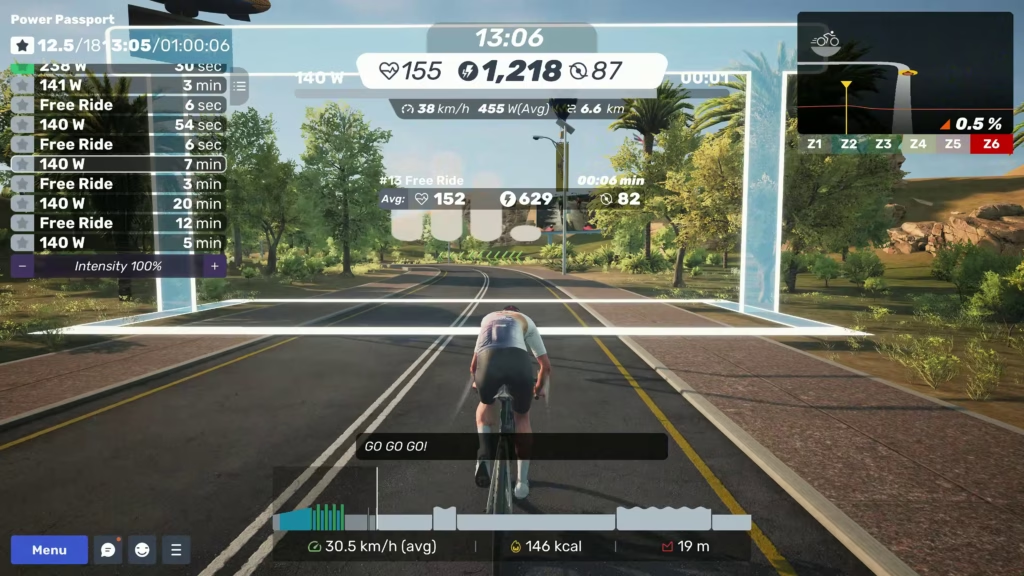
If you prefer staying outdoors, a cyclocross or gravel bike is an excellent alternative. Wider tyres, tread and more stable geometry make these bikes perfect for snowy farm tracks and woodland paths. You continue training outdoors, develop riding technique and collect valuable kilometres away from road traffic.
Winter is also a good opportunity to strengthen the whole body. Strength and stability training improve core stability, help prevent overuse and support greater power on the bike. Bodyweight exercises, targeted core work and gym sessions are particularly effective.
This keeps you active even when the weather does not cooperate, so you start the new cycling season in spring fit, strong and motivated.
Motivation: how to keep going through winter
Road cycling in winter is not only a physical challenge but above all a mental one. When it is cold, dark and unpleasant outside, getting on the bike often requires extra motivation. The right strategies make persistence considerably easier, however, and ultimately reward you with a real performance advantage.
One proven approach is setting clear training goals. Whether reaching a certain distance by spring, improving aerobic endurance or simply riding regularly, fixed goals provide structure and keep you committed. Write down your milestones or track them with an app to make progress visible.
Riding with friends or a group can also work wonders. Together, overcoming reluctance is easier and training becomes twice as enjoyable. Small challenges, such as who rides the most kilometres in January, add motivation and team spirit.
When riding alone, trying new routes can help. Variety keeps your mind fresh and prevents monotony or boredom. Even familiar routes often feel completely different in winter: quiet, clear and almost meditative.
Remember to reward yourself after training. A hot shower, cup of tea or healthy meal are perfect rituals to restore body and mind. This associates winter training with positive feelings and gives you even more reason to look forward to the next ride.
With the right attitude, good routines and small rewards, you will discover that winter road cycling is no ordeal but a real benefit for body and mind.
Conclusion: road cycling in winter offers real fitness and mental strength benefits with the right preparation
Winter road cycling may initially seem challenging, but those who embrace it gain many benefits. The cold season offers an ideal opportunity to maintain aerobic endurance, build mental strength and start the new season with a clear performance advantage.
With appropriate layered clothing, a well-maintained and winter-prepared bike and safe lighting, nothing stands in the way of training in cold, wet and dark conditions. Even when the weather does not cooperate, alternatives such as indoor trainer sessions or supplementary strength work keep you active.
Ultimately, motivation decides: clear goals, variety and small rewards show that winter road cycling is not only possible but incredibly rewarding. It strengthens body, mind and discipline, helping you enter the new season in spring fitter, more resilient and more motivated than ever.
0 Comments